eurhynchium moss Care (Kindbergia praelonga)

Also known as: Common Feather-moss, Slender Beaked Moss
eurhynchium moss

About eurhynchium moss

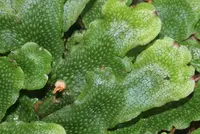
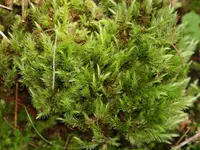
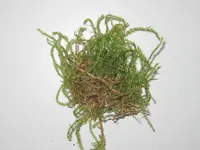
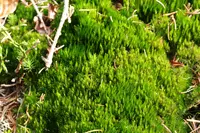
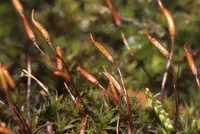
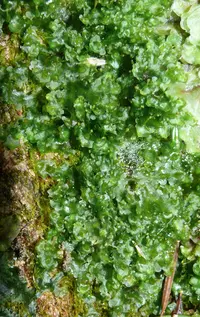
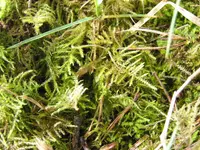
Eurhynchium moss, now commonly placed in the genus Kindbergia as Kindbergia praelonga, is a low-growing, mat-forming moss often called common feather moss. It forms soft, fine-textured carpets with many delicate, feathery branches that spread over soil, rocks, logs, and tree bases.

This species occurs widely in temperate regions, especially in moist woodlands, shaded banks, and other cool, damp habitats. It tends to be adaptable and resilient, which generally makes it straightforward to care for eurhynchium moss in suitable conditions.

It prefers consistent moisture, shade to dappled light, and stable, undisturbed substrates with moderate airflow. These traits make it a useful groundcover in naturalistic gardens, terrariums, and shaded outdoor areas.

Main Plant Requirements

Care Difficulty

Moderate Care

Light Preference

Partial Shade

Water Requirements

Keep Soil Moist

Temperature Preference

Cool Climate

Hardiness Zone

5–9

Soil Texture

Loamy, Peaty, Organic-rich

Soil pH

Strongly acidic (4.5–5.5), Acidic (5.5–6.5)

Soil Drainage

Moist but well-drained

Fertilization

Minimal (feed rarely)

Get Personalized Care Plan

Scan your plant to receive care tips personalized for your specific plant

Available on iOS and Android

How to Care for the eurhynchium moss

Kindbergia praelonga prefers low to moderate, indirect light similar to a shaded woodland floor.

  • Provide bright shade or dappled light, ideally 1–3 hours of gentle morning sun and the rest of the day in filtered light under shrubs or trees.
  • Tolerates deep shade but growth becomes looser and paler; strong midday or afternoon sun can scorch fronds and dry the moss cushion.
  • In hot summers, increase shade or use leaf litter to buffer light and heat, similar to caring for eurhynchium moss in forest settings.

This moss needs consistently moist, but not stagnant, conditions to stay dense and green.

  • Aim for evenly damp substrate; if the surface feels dry and fronds look slightly dull, rewet with a fine spray or gentle soak.
  • In cool, rainy seasons, natural precipitation is usually enough; in warm or windy periods, water whenever the top feels dry to the touch, avoiding puddling.
  • Signs of overwatering include sour smell and blackened bases, while crisp, curling fronds and shrinking mats indicate underwatering or prolonged drying.

This moss thrives in cool to mild climates and struggles with temperature extremes.

  • Optimal growth occurs at 50–70°F (10–21°C), especially in consistently humid, shaded sites such as woodland edges and north-facing banks.
  • It tolerates down to about 20–25°F (-6 to -4°C) with snow or leaf cover but repeated bare, hard frosts can desiccate exposed mats.
  • Heat above 80°F (27°C), particularly in full sun, stresses plants; provide extra shade and moisture during summer heat waves to limit dieback.

This moss prefers consistently moist air and benefits from moderate to high humidity.

  • Aim for 60–80% humidity, which mimics its natural woodland and streamside habitats.
  • It tolerates brief dips to 40–50%, but edges may brown and fronds curl in prolonged dry air.
  • Increase humidity with a covered terrarium, frequent fine misting, or placing the container above a shallow pebble-and-water tray; similar methods suit eurhynchium moss.

Kindbergia praelonga thrives on moist, airy, organic-rich substrates rather than dense mineral soil.

  • Use a loose mix of fine bark, leaf mold or compost, and a little sand to mimic decomposing forest litter.
  • Ensure rapid drainage so water passes through in seconds, but retains light moisture like a squeezed-out sponge.
  • A slightly acidic pH of 5.0–6.5 suits this moss; avoid liming agents that push pH toward alkaline levels.
  • Improve aeration by adding extra fine bark or perlite and avoid compacted, clay-heavy, or peat-only substrates that stay waterlogged.

This species is well suited to shallow containers and terrariums when moisture is carefully managed.

  • Choose a wide, shallow tray to support its creeping growth and keep the green carpet even and accessible.
  • Line the container base with a coarse drainage layer so excess water moves away from the moss layer quickly.
  • Use ceramic or thick plastic containers that slow evaporation, helping the surface stay evenly damp without constant watering.

Kindbergia praelonga grows in low-nutrient habitats and needs only minimal feeding in cultivation, similar to eurhynchium moss.

  • Use a very dilute balanced NPK liquid fertilizer (about 1/4 strength) or a light top-dressing of fine compost for container-grown mats.
  • Feed lightly every 6–8 weeks during active growth in spring and early summer if growth appears weak or pale.
  • Avoid heavy applications or slow-release pellets, which can burn delicate rhizoids and encourage algae or moss competitors.
  • Stop feeding in late fall and winter, when growth slows, to prevent nutrient buildup in the substrate.

Pruning Kindbergia praelonga is mainly cosmetic and helps maintain an even, healthy mat.

  • Trim in early spring or after a growth flush, using clean, sharp scissors to avoid tearing the moss cushions.
  • Remove dead, browned, or physically damaged patches to reduce fungal problems and reveal fresh green growth.
  • Lightly thin very dense or crowded areas to improve air movement and reduce trapped debris in the carpet.
  • Shape edges by cutting small sections at a time, which keeps the mat low, tidy, and uniform in texture.

Kindbergia praelonga is usually grown as a ground or substrate cover and is transplanted rather than traditionally repotted.

  • Transplant when mats detach easily, growth becomes patchy, or when extending coverage to new areas or containers.
  • Choose cool, moist periods in spring or early fall so clumps establish before summer heat or deep winter cold.
  • Lift thin sections of the moss with attached substrate, then lay or press them gently onto the new moist surface.
  • Mist well after moving, keep light moderate, and avoid foot traffic or disturbance until new rhizoids anchor firmly.

Kindbergia praelonga is commonly propagated by simple division and re-laying of small mat sections.

  • Divide existing mats into small pieces by gently tearing or cutting sections that include stems and attached substrate.
  • Carry out division in cool, moist conditions in spring or early fall for faster establishment and reduced stress.
  • Place sections onto a clean, porous, consistently moist surface such as bark, rock, or low-nutrient substrate.
  • Maintain high humidity, soft indirect light, and very gentle watering until new growth visibly knits sections together.

Kindbergia praelonga is generally cold hardy and often remains green under cool, moist winter conditions with minimal intervention.

  • In-ground plantings usually need no special protection, even in light to moderate frosts.
  • For shallow containers, move trays to a sheltered spot to reduce freeze–thaw cycles that can dislodge mats.
  • Keep the substrate slightly moist but not waterlogged, as prolonged ice saturation can damage fine rhizoids.

Care Tips

Layered Colonization

Press small tufts gently into damp crevices or between stones rather than spreading a single mat, which encourages faster lateral spread and a denser carpet over time.

Capillary Watering Setup

On vertical or sloped displays, tuck wicks of polyester felt or sphagnum along the top edge and connect them to a water reservoir so moisture slowly wicks down through the mat without saturating it all at once.

Substrate Stabilization

Lightly pin the moss with short pieces of plastic plant pins or biodegradable mesh on steep or loose substrates so rhizoids can anchor before heavy rain or irrigation dislodges the clumps.

Microclimate Shading

Use flat stones, driftwood, or low groundcovers to cast partial shade and break wind around the moss, which reduces desiccation stress and keeps the boundary layer of air more humid.

Clean Rinse Maintenance

Every few weeks, gently rinse the moss with low-pressure, chlorine-free water to wash out dust, algae spores, and decomposing debris, a method also useful when caring for eurhynchium moss in terraria or dish gardens.

Common Pests and Diseases

Slugs and snails

This pest commonly grazes on moist Kindbergia mats, shredding or removing soft new shoots, especially in shaded, ground-level sites.

Solution

Hand-pick at dusk or after rain, use copper tape or collars around trays, and place iron phosphate slug bait outside the moss area if pressure is high; reduce hiding spots by lifting debris and avoid overwatering surrounding soil, as consistent surface moisture encourages grazing when growing eurhynchium moss.

Bryophyte leaf-tip blight

This disease causes browning and dieback from the tips of moss shoots inward, often following periods of stagnant, humid air and heavy shade.

Solution

Trim and remove affected tufts, increase airflow with more space and gentle ventilation, and avoid constant surface wetness by allowing the moss to become just slightly less saturated between waterings; if spread continues, discard heavily infected patches and re-establish from healthy, rinsed fragments.

Algal overgrowth

This condition appears as a slimy, often green film that coats the moss surface, smothering shoots and reducing photosynthesis in very wet, nutrient-rich conditions.

Solution

Cut back watering frequency, improve drainage and airflow, and reduce fertilizer or runoff from nearby plants; gently rinse the moss with clean water and carefully remove heavily coated sections so remaining shoots can dry slightly between misting cycles.

Fungal sooty crust

This disease forms dark, crust-like fungal growth on older moss cushions, particularly in poorly ventilated, continuously wet areas on stone or wood.

Solution

Physically lift and remove crusted patches, lightly scrub hardscape surfaces with a brush and clean water, and replant from healthy, firm, green fragments; improve light levels slightly and maintain good air circulation so surfaces dry on top between waterings without letting the moss dehydrate completely.

Interesting Facts

Feather-like shoot structure

This moss forms very regularly pinnate shoots, meaning the side branches are arranged like the barbs of a feather along a central stem, which gives carpets an even, fern-like texture that helps distinguish it from many other pleurocarpous mosses.

Preference for base-rich substrates

In much of its native range, this species is especially frequent on soils and tree bases influenced by calcium-rich or otherwise mildly basic conditions, so it can be used as a field indicator for relatively base-rich woodland microhabitats.

High tolerance of disturbance

It often colonizes compacted ground, old lawns, woodland paths, and urban shaded sites, showing an unusual tolerance for moderate trampling and human disturbance compared with many more delicate forest mosses.

Botan icon

Did you know?

Kindbergia praelonga is one of the most widely distributed pleurocarpous mosses in temperate regions of Europe and has become naturalized beyond its native range, which makes it a standard reference species in bryology for studying moss morphology and community composition in lowland woodlands and grasslands.

FAQs about eurhynchium moss

This species generally performs better outdoors in cool, shaded, consistently moist locations. Indoors it is harder to maintain stable humidity and airflow, so closed terrariums or vivariums are preferred setups for reliable eurhynchium moss indoor care.

Grow Healthy Plants with Botan Care

Keep your plants happy and healthy with plant identification, disease detection, and easy care guidance.

Botan plant care app — identify plants on mobile

Explore More Plants