

Low-traffic placement
Site plants where feet and tools never cross the cushion, using flagstones or edging to keep people from compacting or tearing the mat-forming surface.

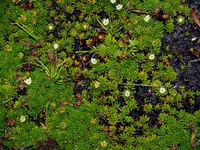
New Zealand cushion (Donatia novae-zelandiae) is a compact, mat-forming alpine plant that creates firm, dome-shaped cushions of tiny, tightly packed leaves. It stays very low to the ground and slowly spreads, giving a smooth, moss-like look.
This species is native to high, wet moorlands and boggy alpine areas in New Zealand and Tasmania, where it faces strong wind, cold, and intense light. It is considered challenging to grow because it demands cool conditions, constant moisture, and very free-draining, acidic substrate.
Gardeners who want to care for New Zealand Cushion need to replicate its cool, moist, open habitat as closely as possible, often in specialized rock or trough gardens.

Care Difficulty
Hard Care

Light Preference
Full Sun

Water Requirements
Keep Soil Moist

Temperature Preference
Cool Climate

Hardiness Zone
5–7

Soil Texture
Sandy, Rocky, Peaty

Soil pH
Strongly acidic (4.5–5.5)

Soil Drainage
Waterlogged tolerant

Fertilization
Minimal (feed rarely)
Scan your plant to receive care tips personalized for your specific plant
Available on iOS and Android
This alpine cushion prefers cool, bright conditions with gentle, indirect sun exposure.
This species needs consistently moist conditions without long dry spells or stagnant water.
This alpine plant is adapted to cool, windy habitats and does best without temperature extremes.
This alpine cushion prefers cool, consistently moist air but manages best in moderate, stable humidity.
This species needs a shallow, sharply drained yet constantly moist, acidic medium that mimics wet alpine bog conditions.
This plant is only moderately suitable for containers and performs best in low, wide pans that mimic shallow alpine turf.
This alpine cushion shrub grows in very low-nutrient habitats and usually needs no fertilization in cultivation.
Pruning needs for Donatia novae-zelandiae are minimal and mainly focused on health rather than shaping.
This species is rarely grown long term in containers and is better handled as a carefully sited outdoor cushion in cool climates.
Practical home propagation of this high-alpine cushion is very challenging and is seldom attempted outside specialist collections.
This cold-adapted alpine tolerates significant frost and usually needs only basic winter care in suitable climates where growing New Zealand Cushion outdoors is possible.

Plant Health Check
Not sure what's wrong with your plant? Check your plant's health inside the app.
This species forms dense, hard cushions on windswept, high-altitude bogs in New Zealand and Tasmania, allowing the tiny leaves and stems to stay close to the surface where temperatures and moisture are more stable.
The compact cushion traps rain and mist between its tightly packed shoots and decaying inner tissues, creating a moist internal microhabitat that buffers the plant against drying winds and short-term drought in its peat bog environment.
Individual cushions expand only a few millimeters per year but can persist for decades, which makes damage from trampling or peat disturbance particularly difficult to reverse in natural populations.

The cushions of this species are so tough and compact that they can feel almost like firm upholstery underfoot, and this structural rigidity helps them withstand snow loading, ice, and persistent high winds in subalpine and alpine habitats.
This species forms very tight, slow-expanding cushions. It spreads laterally only a few millimeters to centimeters per year. In cultivation it is not considered aggressive and is unlikely to overwhelm nearby plants or garden spaces.
Keep your plants happy and healthy with plant identification, disease detection, and easy care guidance.

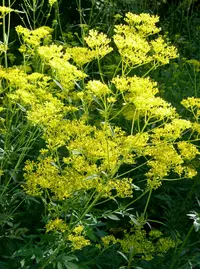
eastern valerian
Patrinia scabiosifolia
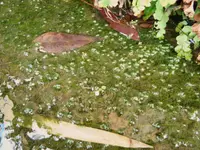
streamside leptodictyum moss
Leptodictyum riparium
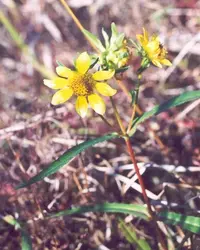
smooth beggartick
Bidens laevis
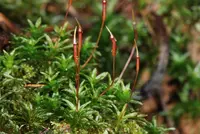
Selwyn's atrichum moss
Atrichum selwynii
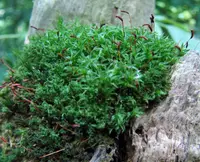
undulate atrichum moss
Atrichum undulatum
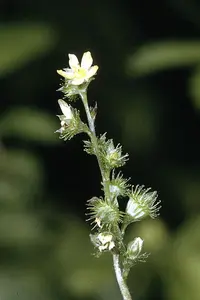
tall hairy agrimony
Agrimonia gryposepala
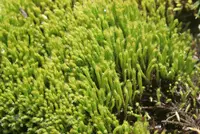
philonotis moss
Philonotis fontana
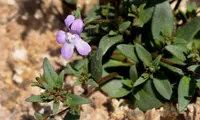
Chaenorhinum grandiflorum
Chaenorhinum grandiflorum