pohlia moss Care (Pohlia nutans)

Also known as: nodding thread-moss
pohlia moss

About pohlia moss

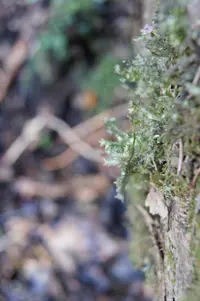
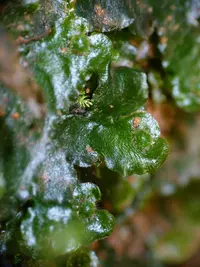
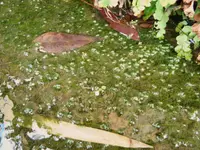
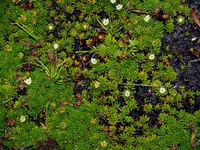
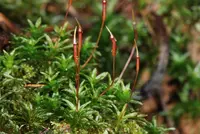
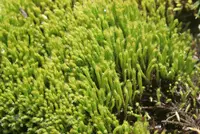
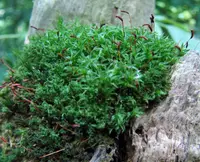
Pohlia nutans, commonly called pohlia moss, is a small, upright moss that forms soft, bright green tufts or carpets. It produces slender, nodding spore capsules that give it a delicate, fine-textured look.

This species is very adaptable and often grows on soil, rocks, decaying wood, and even disturbed ground in cool and temperate regions across the Northern Hemisphere. It tolerates a wide range of moisture levels, which makes it relatively forgiving to grow.

Because it is resilient and recovers well from drying, many hobbyists find it straightforward to care for pohlia moss. It generally prefers cool conditions, consistent moisture, and stable, indirect light.

Main Plant Requirements

Care Difficulty

Moderate Care

Light Preference

Partial Shade

Water Requirements

Keep Soil Moist

Temperature Preference

Cold Hardy

Hardiness Zone

2–8

Soil Texture

Loamy, Peaty, Organic-rich

Soil pH

Strongly acidic (4.5–5.5), Acidic (5.5–6.5)

Soil Drainage

Moist but well-drained

Fertilization

Minimal (feed rarely)

Get Personalized Care Plan

Scan your plant to receive care tips personalized for your specific plant

Available on iOS and Android

How to Care for the pohlia moss

This moss prefers cool, soft light that mimics a forest floor or stream bank.

  • Provide bright shade or dappled light, such as under shrubs or trees, with 2–4 hours of gentle morning sun and no direct harsh midday sun.
  • Tolerates deep shade but forms looser, weaker growth; stronger cushions develop with filtered light rather than full sun.
  • In summer, shield from intense 11 am–4 pm sun to prevent bleaching and drying; in winter, allow more open exposure to low, slanting light.

Moist, never stagnant conditions suit this moss best.

  • Keep the substrate consistently damp, not dripping; surfaces should feel cool and moist, with no standing water around the rhizoids.
  • Water lightly when the top surface looks dull, lighter in color, or feels just starting to dry; avoid letting it become crisp or brittle to the touch.
  • Reduce watering slightly in cold weather but prevent complete drying; signs of overwatering include slimy patches, while gray, shriveled tips signal underwatering.

Stable, cool to mild temperatures promote dense, healthy growth.

  • Ideal growth occurs around 45–65°F (7–18°C), typical of shaded banks, forest floors, and cool rock faces.
  • Tolerates cold down to about 10–15°F (-12 to -9°C) under snow cover, but repeated freeze–thaw cycles with exposed wind can damage shoots.
  • Handles brief warmth up to 75–80°F (24–27°C) if shade and moisture are maintained; prolonged heat above this, combined with full sun, risks desiccation and dieback.

This moss needs consistently moist air to stay lush and green.

  • Aim for 60–90% humidity, especially in warm or bright locations.
  • It tolerates brief dips to 40–50%, but prolonged dry air causes browning tips and patchy dieback.
  • Increase humidity by using a closed terrarium, humidity dome, or frequent fine misting that keeps surfaces damp without standing water.

This species thrives on moist, fine-textured, organic-rich substrates rather than standard potting mixes.

  • Use a mix of sifted peat or coco fiber with fine sand and milled leaf litter or compost to mimic forest or streambank substrates.
  • Ensure constant gentle moisture with very slow drainage; soil should be damp and springy, never waterlogged or compacted.
  • Target a slightly acidic pH around 5.0–6.0, avoiding limed or strongly alkaline materials such as crushed shells or concrete rubble.
  • Improve aeration by loosely packing the substrate and adding a thin top layer of fine grit or sand to stabilize the surface without sealing it.

This moss is suitable for shallow containers, trays, and terrariums.

  • Choose wide, shallow containers so the mat can spread horizontally without deep substrate, which can turn anaerobic if kept constantly moist.
  • Use containers with small drainage holes and a controlled watering routine so the base stays just damp rather than waterlogged or bone dry.
  • In open trays, place containers inside a wider, partially covered outer tray to buffer moisture loss and reduce edge desiccation of the moss mat.

This moss needs very little feeding, as it is adapted to low-nutrient habitats.

  • For pohlia moss in containers or terraria, use a very weak balanced liquid fertilizer (around 10-10-10) at 1/8–1/4 strength.
  • Apply only during active growth in spring–summer, no more than every 6–8 weeks.
  • Avoid compost or rich substrates, which encourage algae and competing plants.
  • Stop feeding completely in fall and winter to prevent stress and weak growth.

Pohlia nutans benefits from light grooming rather than true pruning.

  • Trim browned or dead patches at any time using small scissors to keep cushions tidy and healthy.
  • Remove loose debris, algae, and encroaching plants that shade or smother the moss.
  • In late winter or early spring, lightly clip uneven tufts to encourage denser new growth.
  • Avoid cutting too low into green tissue; leave at least 5–10 mm of healthy moss to recover.

This moss is usually transplanted as patches rather than conventionally repotted.

  • Transplant when growth becomes patchy, the substrate compacts, or water drainage worsens in a tray or terrarium.
  • Best timing is in cool, moist conditions of spring or early fall to limit moisture stress.
  • Typical intervals are 1–3 years, mainly to refresh the substrate surface and improve aeration.
  • Lift thin mats gently, keep rhizoids (anchoring filaments) intact, place on fresh moist substrate, and mist thoroughly afterward.

Pohlia nutans is commonly propagated by division of mats and by spores under controlled conditions.

  • For home culture, divide healthy clumps in spring or early fall, keeping small pads of substrate attached.
  • Press divisions onto fresh, moist, acidic substrate and mist gently to maintain constant surface moisture.
  • Spore propagation requires sterile, fine-grained medium, bright indirect light, and stable high humidity.
  • Avoid burying fragments; keep them on the surface so new shoots can receive light immediately.

This moss is naturally cold hardy and usually needs minimal winter care outdoors.

  • In the ground, Pohlia nutans typically tolerates frost and snow without added protection.
  • For shallow trays or dishes, avoid prolonged freezing and thawing cycles that fully dry the substrate.
  • Move delicate container displays to a cold but frost-free area, keeping the substrate just barely moist.

Care Tips

Substrate Stabilization

Secure loose sandstone, lava rock, or wood with a thin layer of milled sphagnum or fine mesh before planting so the moss protonema can anchor instead of washing away during misting.

Fragment Propagation

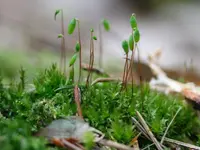
To expand a colony, gently crumble a healthy patch into small fragments and press them into a fresh, cool substrate, keeping them evenly spaced to encourage a uniform carpet rather than clumps.

Snowmelt Simulation

In late winter or early spring, give a single deep, cool water soak and then return to light, frequent misting to mimic snowmelt conditions that trigger denser new growth.

Dry-Dormancy Management

If the moss dries and goes dormant, avoid disturbing the brittle shoots and simply resume gentle, regular misting so the existing cushions can rehydrate and regreen from the base.

Clean Airflow Control

Provide light, indirect airflow from a fan or vent to reduce fungal issues, but keep the air path filtered or dust-free so fine particles do not settle and smother the low moss cushions when growing pohlia moss.

Common Pests and Diseases

Rotifer grazing

This pest feeds on moss cells, causing thinning, pale patches, and reduced growth in dense cushions, especially in aquatic or very wet culture. Symptoms include uneven, patchy lawns where shoots appear clipped or hollowed out.

Solution

Reduce standing water and avoid stagnant, nutrient‑rich conditions that favor rotifers, keeping the substrate just moist rather than submerged. In closed terraria, improve hygiene by flushing with clean, dechlorinated water during water changes and physically removing heavily grazed patches so healthy colonies can regrow on cleaner, low‑nutrient surfaces as part of general Pohlia nutans care instructions.

Fungal dampening

This disease develops in constantly saturated, poorly ventilated moss, leading to dark, waterlogged, then collapsing shoots. Symptoms include a greasy or slimy look to patches that fail to rehydrate normally after drying.

Solution

Improve air movement and avoid continual saturation by allowing brief surface drying between misting or watering. Remove affected clumps, reduce organic debris in the substrate, and if needed rinse remaining healthy moss with clean water and rebalance light and moisture so growth stays firm rather than mushy.

Algal overgrowth

This problem appears on very wet, bright, nutrient‑rich surfaces where green film algae or tiny mats smother the moss. Symptoms include slippery green layers covering shoots and blocking light, causing weak, elongated, or dying tips.

Solution

Cut back fertilization, flush the substrate with clean water, and reduce direct intense light that heats the surface while still providing bright, diffused light. Gently brush or siphon off algal films, then maintain lower nutrients and slightly drier, more aerated conditions so the moss can outcompete algae.

Mite feeding

These insects, often microscopic or very small, can graze young moss tissue under persistently humid, sheltered conditions. Symptoms include uneven, speckled decline of fine new shoots and slow, irregular regrowth after trimming or division.

Solution

Increase air circulation and avoid continuously saturated air by ventilating terraria or covers daily. Rinse affected cushions under a gentle stream of water to dislodge mites, remove heavily damaged sections, and if the problem persists, temporarily lower humidity and isolate infested containers to break the life cycle.

Interesting Facts

Arctic and Antarctic survivor

This moss naturally occurs in both Arctic and Antarctic regions, where it grows on exposed soils and rocks and endures long periods of freezing and thawing without dying back completely.

Metal-tolerant colonizer

Populations of this species are known from mine tailings and metal-polluted soils, where it can tolerate elevated levels of heavy metals and acts as an early colonizer of disturbed, nutrient-poor ground.

Twisting, nodding capsules

Its spore capsules sit on slender, often twisted stalks and typically bend over in a nodding position, which helps distinguish it from many other small, green acrocarpous mosses.

Botan icon

Did you know?

This species is an important pioneer on fresh volcanic substrates in some regions, forming early biological soil crusts that help trap dust and organic matter and begin the process of soil formation for later plant communities.

FAQs about pohlia moss

This species grows more vigorously outdoors where it receives natural humidity, rainfall, and temperature fluctuations. Indoors it tends to stay smaller and needs careful moisture management, bright indirect light, and good air circulation to remain healthy over time.

Grow Healthy Plants with Botan Care

Keep your plants happy and healthy with plant identification, disease detection, and easy care guidance.

Botan plant care app — identify plants on mobile

Explore More Plants