Dracaena hyacinthoides Care

Dracaena hyacinthoides

About Dracaena hyacinthoides

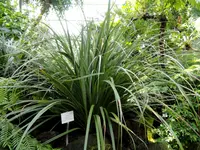
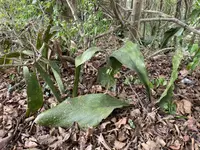
Dracaena hyacinthoides is a shrubby, evergreen plant from eastern and southern Africa, often found in dry woodland and rocky slopes. It belongs to the asparagus family and forms clumps of upright, narrow leaves with a grasslike look.

The plant usually grows slowly and develops from thick, fleshy roots that help it tolerate periods of drought. Its growth habit stays relatively compact, which can suit container culture.

Because it comes from semi-arid habitats, it typically prefers bright light, moderate watering, and well-drained soil. Understanding its dryland origin helps guide how to care for Dracaena hyacinthoides in home or garden settings.

Main Plant Requirements

Care Difficulty

Moderate Care

Light Preference

Partial Shade

Water Requirements

Moderate Water

Temperature Preference

Tropical / Frost Sensitive

Hardiness Zone

10–12

Soil Texture

Sandy, Loamy, Organic-rich

Soil pH

Acidic (5.5–6.5), Slightly acidic (6.5–7.0)

Soil Drainage

Well-drained

Fertilization

Light (every 4–6 weeks)

Get Personalized Care Plan

Scan your plant to receive care tips personalized for your specific plant

Available on iOS and Android

How to Care for the Dracaena hyacinthoides

This species prefers bright, indirect light with some protection from intense midday sun.

  • Provide 4–6 hours of bright, filtered light daily, such as under light tree cover or near an east- or north-facing window if used for Dracaena hyacinthoides indoor care.
  • Tolerates partial shade, but in very low light growth slows and leaves may lose vigor or become sparse over time.
  • Avoid harsh afternoon sun, which can cause leaf scorch and bleached patches, especially in summer at lower latitudes.

Watering should keep the root zone evenly moist but never saturated.

  • Allow the top 2–4 cm of soil to dry before watering, using your finger to check rather than following a fixed calendar schedule.
  • Use freely draining soil so excess water runs off quickly; prolonged soggy conditions encourage root rot, yellowing leaves, and a sour soil smell.
  • In cooler months or during slower growth, reduce frequency; leaves folding or browning at tips may indicate underwatering, while soft, limp leaves point to overwatering.

Stable, warm conditions support the best growth and leaf quality.

  • Aim for 65–80°F (18–27°C) for active growth; short exposures up to about 86°F (30°C) are tolerated if soil is not waterlogged.
  • Avoid temperatures below 50°F (10°C); foliage damage and root stress increase near this threshold, and frost can kill above-ground parts.
  • Protect from cold drafts, sudden 10–15°F (6–8°C) drops, and hot, dry winds, which together can cause leaf tip burn and increased water loss.

This species handles typical indoor humidity but grows best with slightly moist air.

  • Aim for 40–60% relative humidity for balanced growth and leaf condition.
  • Tolerates brief dry air, but prolonged levels below 30% cause brown tips and leaf-edge crisping.
  • Increase humidity with a pebble tray, grouped plants, or a nearby humidifier rather than frequent misting.

Dracaena hyacinthoides prefers an airy, fast-draining mineral-rich substrate that still holds moderate moisture.

  • Use a loose mix such as 50–60% standard potting mix with 20–30% perlite or pumice and 10–20% coarse sand or fine bark.
  • Aim for slightly acidic to neutral pH around 6.0–7.0 to support nutrient uptake and root health.
  • Ensure the mix drains freely yet does not dry into a hard, compacted mass, which restricts roots and reduces oxygen.
  • Avoid heavy clay-based mixes, waterlogged containers, or pure peat that compacts and encourages root rot.

This species is well suited to container growing for patios or bright indoor locations.

  • Choose a pot slightly taller than wide so the deep root system can anchor the plant and reduce toppling in wind or high traffic areas.
  • Select a heavier material such as ceramic or clay in exposed spots to stabilize the tall, cane-like stems as they gain height.
  • Ensure large, unblocked drainage holes so excess water exits within seconds, preventing water from pooling around the basal stem.

This species grows on relatively lean soils, so Dracaena hyacinthoides benefits from light, controlled feeding rather than heavy fertilization.

  • Use a balanced, dilute liquid NPK fertilizer at 1/4–1/2 strength or a light top-dressing of compost during the main growing season.
  • Feed every 4–6 weeks in spring and summer if growth is maintained, skipping applications when the plant is not actively growing.
  • Reduce or stop feeding in fall and winter, when growth naturally slows and nutrient demand drops.
  • Avoid high-salt synthetic products and always water before and after feeding to limit root burn.

Pruning is mainly used to maintain a clean outline and remove weak tissue rather than to control size strongly in this species.

  • Carry out light pruning in late winter or early spring before strong new growth begins.
  • Remove dead, diseased, or damaged leaves and stems first, then thin crowded shoots to improve air movement.
  • Shortening overly long stems encourages branching, creating a fuller, more compact form over time.
  • Use sharp, clean bypass pruners or a knife, and disinfect blades between cuts to limit disease spread.

Container-grown plants tolerate being slightly root-bound, so repotting is infrequent and mainly done to relieve congestion or refresh substrate.

  • Check for roots circling the pot base, pushing through drainage holes, or very slow growth as signs that repotting is needed.
  • Plan repotting or outdoor transplanting for spring, when temperatures are warming and recovery is fastest.
  • Move up only 1 pot size, using a free-draining, gritty mix, and handle the root ball gently to reduce disturbance.
  • Water thoroughly after repotting, keep in bright but indirect light for 1–2 weeks, and avoid heavy feeding until new growth appears.

This plant is most often propagated vegetatively, as this keeps desirable traits consistent and is faster than raising from seed.

  • Use stem cuttings taken in late spring or early summer, selecting healthy, non-flowering shoots.
  • Allow cut surfaces to dry briefly, then place cuttings in a sterile, free-draining medium kept at 70–75°F with high humidity.
  • Provide bright, indirect light and avoid waterlogging, which slows root formation and encourages rot.
  • Seed propagation is possible but slower; sow fresh seed in a warm environment and keep the surface slightly moist, not wet.

In mild climates this species is fairly resilient, but it benefits from thoughtful winter management, especially in colder regions.

  • Treat it as frost-sensitive; sustained temperatures below 32°F can damage foliage and young shoots.
  • Apply a 5–8 cm layer of organic mulch around the root zone in fall, keeping it slightly away from stems.
  • For container plants, shift pots to a sheltered, bright, frost-free spot such as an unheated sunroom or greenhouse.
  • Reduce watering in winter so the soil stays barely moist, which lowers the risk of cold-related root problems and supports Dracaena hyacinthoides care.

Care Tips

Rotate for symmetry

Turn the pot 90° every 2–3 weeks so the rosette develops evenly and the leaf fans do not lean permanently toward one light source.

Control leaf size

If rosettes become too large or heavy, reduce nitrogen-rich feeding and keep light bright so new leaves stay firm, compact, and better supported by the short stem.

Protect fleshy roots

When repotting, handle the thick roots gently, keep them shaded from sun and wind, and replant immediately to avoid desiccation and transplant stress.

Targeted pest checks

Inspect the tight leaf bases and lower leaf sheaths every 1–2 weeks for scale or mealybugs, since these pests often hide where the leaves join the very short stem.

Manage offsets thoughtfully

Allow only 1–3 of the strongest pups to remain around the mother plant and remove extras with a clean knife, which keeps the clump open to light and air and simplifies caring for Dracaena hyacinthoides.

Common Pests and Diseases

Mealybugs

This pest often hides in leaf bases and along the stems, feeding on sap and causing yellowing, distortion, and sticky honeydew on leaves. Symptoms include slowed growth and sooty mold growing on the honeydew deposits.

Solution

Remove visible insects with a cotton swab dipped in 70% isopropyl alcohol and wipe leaf bases thoroughly. For larger infestations, wash foliage with a mild insecticidal soap solution every 7–10 days and isolate the plant until no new mealybugs appear.

Scale insects

These insects attach tightly along stems and leaf midribs, appearing as small brown or tan bumps that do not easily rub off. This pest weakens plants by draining sap and can lead to yellowing leaves and dieback of affected sections.

Solution

Gently scrape or rub off individual scales with a fingernail or soft cloth, then treat stems and leaf midribs with horticultural oil to smother remaining juveniles. Repeat treatment after 10–14 days and keep the plant under regular inspection as part of Dracaena hyacinthoides care instructions.

Spider mites

This pest thrives in warm, dry indoor conditions and feeds on the undersides of leaves, causing fine speckling, dull foliage, and sometimes light webbing between leaves. Symptoms include overall loss of vigor and increased leaf drop if left unmanaged.

Solution

Rinse foliage thoroughly with lukewarm water, focusing on the leaf undersides, then apply an insecticidal soap or neem oil spray every 5–7 days until new growth appears clean. Increase humidity around the plant and improve airflow to make conditions less favorable for mites.

Fusarium leaf spot

This disease causes small water-soaked lesions that enlarge into brown or tan spots with darker margins on the leaves, often starting on older foliage. Symptoms include progressive spotting, yellowing, and premature leaf drop, especially under warm, humid conditions.

Solution

Remove and discard affected leaves, cutting back into healthy tissue with sterilized tools, and avoid overhead watering to keep foliage dry. Improve air circulation, space plants adequately, and, if spotting continues to spread, apply a labeled fungicide for leaf spot on ornamental foliage plants according to the product directions.

Bacterial leaf blight

This disease produces irregular, water-soaked patches that turn dark brown or black, often with a yellow halo along the leaf edges or tips. Symptoms include rapid collapse of affected areas and a tendency for lesions to follow the veins or margins of the long strap-like leaves.

Solution

Prune out all visibly infected tissue with disinfected tools, discarding it in the trash, and avoid splashing water from plant to plant. Keep leaves dry, reduce crowding, and improve ventilation; if outbreaks are recurrent, start with clean propagation material and avoid wounding leaves during handling or repotting.

Interesting Facts

Bulb-like stem base

This species forms a swollen, bulb-like stem base at ground level that stores water and nutrients, an adaptation to the long dry seasons in its native southern African habitats.

Strongly scented flowers

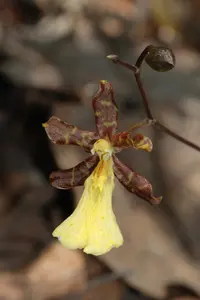
It produces clusters of small, tubular white to greenish flowers with a pronounced sweet fragrance at night, which helps attract moth pollinators in its natural range.

Rocky grassland specialist

In the wild it commonly grows among rocks in open grassland and savanna, tolerating high light and seasonal drought while using surrounding stones to reduce water loss from the soil surface.

Botan icon

Did you know?

In parts of southern Africa, the long, tough leaves of this species have traditionally been used for making cord and simple bindings, reflecting the high tensile strength of its fibrous leaf tissues.

FAQs about Dracaena hyacinthoides

Brown tips or edges usually come from low humidity, chronic underwatering, or a build-up of salts from fertilizer or hard tap water. Flush the pot occasionally, adjust watering, and, if possible, switch to filtered or rainwater.

Grow Healthy Plants with Botan Care

Keep your plants happy and healthy with plant identification, disease detection, and easy care guidance.

Botan plant care app — identify plants on mobile

Explore More Plants