Encourage Compact Growth
Rotate the pot 90° every 1–2 weeks so the stems receive light from different angles, which keeps the plant evenly full and reduces weak, stretched growth along one side.

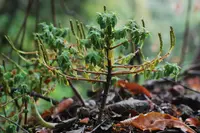
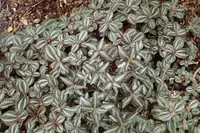
Peperomia leptophylla is a small tropical perennial from South America, often found creeping or trailing along forest floors and rocky slopes. It belongs to the pepper family (Piperaceae) and stays compact, which suits indoor spaces. Leaves are typically small, fleshy, and arranged along thin, flexible stems, giving it a delicate, cascading look in hanging pots or on shelves. Its succulent-like foliage stores water, so it tolerates brief dryness better than overwatering. This species prefers bright, indirect light, a loose, airy potting mix, and moderate moisture. These traits make it relatively forgiving for those learning how to care for Peperomia leptophylla.

Care Difficulty
Easy Care

Light Preference
Bright Indirect Light

Water Requirements
Moderate Water

Temperature Preference
Tropical / Frost Sensitive

Hardiness Zone
11–12

Soil Texture
Loamy, Peaty, Organic-rich

Soil pH
Acidic (5.5–6.5), Slightly acidic (6.5–7.0)

Soil Drainage
Well-drained

Fertilization
Light (every 4–6 weeks)
Scan your plant to receive care tips personalized for your specific plant
Available on iOS and Android
This semi-succulent prefers bright but gentle light that mimics dappled forest shade.
Watering should balance this semi-succulent species’ need for moisture with its sensitivity to excess water.
Stable, warm conditions are important for healthy growth and root function.
This species prefers moderately humid air but usually handles typical indoor ranges without issue.
This plant prefers a loose, airy potting medium that drains quickly yet holds light, even moisture.
This species is well suited to container growing due to its compact roots and trailing habit.
Light feeding supports compact, healthy growth in Peperomia leptophylla without encouraging weak, stretchy stems.
Light pruning keeps Peperomia leptophylla dense and tidy while removing weak growth.
This species prefers slightly snug pots and only occasional repotting to avoid root stress.
New plants are most often produced from stem or leaf cuttings taken during active growth.
Indoors, this tropical species mainly needs stable warmth and dryish soil in winter rather than heavy intervention.

Plant Health Check
Not sure what's wrong with your plant? Check your plant's health inside the app.
This species naturally forms long, trailing stems with small, narrowly elliptic leaves that align along the shoots, giving it a string-like appearance distinct from many more upright peperomias.
In the wild, this plant is often epiphytic, rooting into moss and organic debris on tree trunks or rocks in humid forests rather than growing in deep soil, which explains its preference for airy, well-drained substrates in cultivation.
Its relatively thick, fleshy leaves and stems function as modest water-storage organs, an adaptation that allows the plant to tolerate brief dry spells between periods of regular moisture in its native habitat.
This species is best suited to sheltered indoor or patio conditions where temperatures stay mild and soil moisture is controlled. Outdoors, it only succeeds in frost-free, protected spots that mimic humid, shaded forest environments.
Keep your plants happy and healthy with plant identification, disease detection, and easy care guidance.