Dracaena zebra Care

About Dracaena zebra

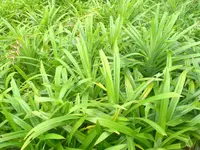
Dracaena zebra (Dracaena zebra) is a compact, upright ornamental foliage plant valued for its striking, banded leaves. The narrow, sword-like leaves typically show contrasting stripes that give the plant its common name.

It is thought to originate from tropical or subtropical regions, where it grows in warm, sheltered understories with filtered light. Its slow to moderate growth and sturdy leaves make it suitable for containers and indoor displays.

This species is generally considered manageable for indoor growers, as long as extremes of light, temperature, and watering are avoided. Understanding how to care for Dracaena zebra starts with providing bright, indirect light, evenly moist but not waterlogged soil, and good drainage.

Main Plant Requirements

Care Difficulty

Easy Care

Light Preference

Bright Indirect Light

Water Requirements

Moderate Water

Temperature Preference

Tropical / Frost Sensitive

Hardiness Zone

10–12

Soil Texture

Loamy, Peaty, Organic-rich

Soil pH

Acidic (5.5–6.5), Slightly acidic (6.5–7.0)

Soil Drainage

Well-drained

Fertilization

Light (every 4–6 weeks)

Get Personalized Care Plan

Scan your plant to receive care tips personalized for your specific plant

Available on iOS and Android

How to Care for the Dracaena zebra

This species prefers bright, filtered light that mimics light woodland shade.

  • Provide 6–8 hours of bright, indirect light daily; gentle morning sun is acceptable, but shield from strong midday and afternoon rays to prevent leaf scorch.
  • Tolerates partial shade, but in very low light growth slows and variegation fades; move slightly closer to a bright window or brighter outdoor spot if new leaves emerge pale or stretched.
  • In summer, use sheer curtains or dappled shade outdoors; in winter, move Dracaena zebra closer to the brightest window to compensate for shorter days.

Watering should aim for steady, lightly moist soil without prolonged saturation.

  • Allow the top 2–4 cm of soil to dry before watering, using a finger test rather than a fixed schedule, as indoor heating or outdoor wind greatly changes drying speed.
  • Use a free-draining mix and a pot or bed with excellent drainage; yellowing, limp leaves and a sour soil smell indicate overwatering and possible root rot.
  • In spring and summer, expect more frequent watering as growth is faster; in fall and winter, reduce frequency, watching for curling or crispy leaf tips as early underwatering signs.

This plant prefers stable, warm conditions with protection from temperature extremes.

  • Aim for 65–80°F (18–27°C) for best growth, avoiding sudden swings greater than about 10°F (6°C) in a short time, which can stress the foliage.
  • Keep it above 55°F (13°C) at all times; exposure near or below 40°F (4°C) can cause leaf spotting, tissue damage, and in some cases plant death.
  • Handles short heat spells up to about 90°F (32°C) if humidity and watering are managed, but keep it away from hot drafts, heaters, air conditioners, and frosty windows.

This species handles typical indoor humidity but benefits from slightly moist air.

  • Aim for 40–60% humidity to reduce leaf tip browning and keep foliage texture firm.
  • Tolerates drier air, but persistent levels below 30% often cause crispy brown tips and edge scorch.
  • Increase humidity with a nearby tray of water and pebbles or a room humidifier rather than misting leaves directly.

This plant prefers a loose, well-aerated, fast-draining substrate.

  • Use a mix of 2 parts peat- or coco-based potting mix, 1 part perlite, and 1 part fine bark to balance moisture retention and drainage for Dracaena zebra.
  • Ensure the soil structure stays crumbly, not compacted, so roots receive enough oxygen and excess water drains within a few minutes after watering.
  • Target a slightly acidic to neutral pH around 6.0–7.0, avoiding strongly alkaline substrates that can lock up micronutrients and cause leaf chlorosis.
  • Avoid heavy garden soil or mixes dominated by clay, which hold water around the roots and increase the risk of root rot.

This species is well suited to container growing in homes and offices.

  • Choose a container that is slightly taller than wide to accommodate the plant’s relatively deep, upright root system and prevent tipping.
  • Select a stable, heavier pot material if the plant grows tall, so the container weight counterbalances the top growth.
  • Add a shallow layer of coarse material over the drainage holes to prevent mix loss while still allowing water to leave the container quickly.

Nutrient inputs support steady growth but Dracaena zebra is sensitive to excess salts.

  • Use a balanced liquid fertilizer around 10-10-10 or 20-20-20, diluted to 1/4–1/2 strength.
  • Feed every 4–6 weeks in spring and summer when growth is active.
  • Skip or reduce feeding to 1 light application in fall and stop in winter dormancy.
  • Avoid heavy compost layers; use a well-drained mix and flush the soil with plain water occasionally.

Pruning focuses on removing weak growth and guiding a clean, upright form.

  • Carry out light pruning in late winter or early spring before strong growth resumes.
  • Remove yellow, dead, or damaged leaves and thin out crowded shoots at the base.
  • Shorten overly tall or leggy stems to a node to encourage branching and denser foliage.
  • Use clean, sharp scissors or pruners and avoid removing more than 20–25% at once on Dracaena zebra.

Container-grown plants benefit from timely repotting to maintain root health and stable growth.

  • Check for roots circling the pot, emerging from drainage holes, or unexplained slow growth as main signals.
  • Plan to repot every 2–3 years in spring, moving to a container 2–5 cm wider with drainage holes.
  • Gently loosen the root ball, remove a small amount of old soil, and trim only rotten or mushy roots.
  • Replant at the same soil level, water thoroughly, then keep in bright, indirect light for 1–2 weeks to reduce stress.

New plants are most often produced from stem cuttings rather than seed.

  • Take 8–15 cm stem sections in late spring or summer from healthy, non-flowering shoots of Dracaena zebra.
  • Remove lower leaves, leaving the top tuft, and let cut surfaces dry for a few hours before planting.
  • Place cuttings in moist, well-drained medium and maintain 70–80°F with high humidity and bright, indirect light.
  • Expect rooting within several weeks; once new growth appears, pot single cuttings into individual containers.

Cool-season care focuses on avoiding cold damage and excessive moisture stress.

  • This species is frost sensitive and should stay above 50–55°F whenever possible.
  • Move outdoor containers indoors before the first frost into bright, indirect light conditions.
  • Water less often in winter, allowing the top soil to dry, and avoid cold, wet substrates around the roots.
  • Keep the plant away from drafts, radiators, and sudden temperature swings to limit leaf tip scorch.

Care Tips

Rotate For Symmetry

Turn the pot 90° every 2–3 weeks so the rosette develops evenly and the striped leaves do not lean permanently toward the light source.

Salt-Buildup Flush

Every 2–3 months, slowly run lukewarm water through the pot for several minutes, then drain fully, to flush out fertilizer salts that can scorch the leaf tips of this fluoride-sensitive species.

Fluoride-Safe Water

If tap water is heavily fluoridated or very hard, alternate with filtered, distilled, or rainwater to reduce chronic leaf tip burn when caring for Dracaena zebra.

Stable Container Choice

Use a squat, slightly heavier pot rather than a tall narrow one to reduce tipping risk as the plant forms a taller cane over time.

Prevent Leaf Dust

Wipe leaves gently with a damp, soft cloth every 4–6 weeks instead of using leaf-shine products, which can clog pores and increase the risk of fungal spotting.

Common Pests and Diseases

Fusarium leaf spot

This disease causes elongated tan to reddish-brown spots along the leaf margins and tips, often with a yellow halo and gradual leaf yellowing. Symptoms include premature leaf drop on stressed plants, especially under high humidity and poor air circulation.

Solution

Remove and discard affected leaves, avoid overhead watering, and increase air movement around the plant. Allow the top layer of soil to dry between waterings and, for severe cases, use a copper-based or thiophanate-methyl fungicide labeled for ornamental foliage plants, following label directions carefully as part of broader Dracaena zebra care instructions.

Soft scale

These insects appear as small, dome-shaped, tan to brown bumps along stems and leaf midribs, often excreting sticky honeydew that attracts sooty mold. This pest weakens the plant over time, leading to dull foliage and stunted growth.

Solution

Wipe stems and leaves with a damp cloth and a small amount of mild insecticidal soap, repeating weekly until populations drop. For heavier infestations, use a horticultural oil spray, ensuring thorough coverage of stems and leaf undersides while keeping the plant out of direct sun until foliage dries.

Spider mites

These pests cause fine speckling on leaves, a dull or dusty appearance, and in heavier cases, fine webbing at leaf joints. This pest is favored by warm, dry indoor air and can lead to leaf edge browning and drop if not controlled.

Solution

Rinse foliage thoroughly with lukewarm water, including leaf undersides, then apply insecticidal soap or horticultural oil at 7–10 day intervals until no new damage appears. Maintain slightly higher humidity around the plant and avoid placing it directly near heating vents to reduce mite pressure.

Mealybugs

These insects show as white, cottony clusters in leaf axils, along stems, and sometimes on roots, often accompanied by sticky honeydew. This pest saps plant juices and can cause leaf yellowing, distortion, and slowed growth.

Solution

Dab visible mealybugs with cotton swabs dipped in isopropyl alcohol, then wipe the foliage to remove residues. Follow up with insecticidal soap or a light horticultural oil spray every 7–14 days as needed, and isolate heavily infested plants from others until the infestation is eliminated.

Bacterial leaf blight

This disease produces water-soaked, dark lesions on leaves that may expand rapidly and develop a yellow border, especially in warm, humid conditions. Symptoms include irregular dead patches on leaves and a general decline in appearance.

Solution

Promptly remove and discard affected leaves, avoid splashing water on foliage, and irrigate at the soil level only. Improve air circulation, reduce crowding with other plants, and in severe recurrent cases, replace the most affected plants and sterilize tools and pots to limit reinfection.

Interesting Facts

Striped cane pattern

This species develops a striking banded pattern along its woody stems, where lighter and darker zones mark previous leaf attachment points, giving the plant its common zebra name.

Rosette leaf arrangement

Leaves emerge in clustered rosettes along the cane, with each new rosette forming slightly above the previous one, which creates a tiered architectural look quite distinct from many other dracaenas.

Slow, upright growth

In typical indoor conditions this plant extends its canes slowly and maintains a mostly vertical habit, which makes it less prone to becoming top-heavy compared with faster, arching dracaena species often seen in homes.

FAQs about Dracaena zebra

Brown leaf tips usually come from low humidity, fluoride or salts in tap water, or inconsistent moisture. Use filtered or dechlorinated water, avoid overfertilizing, and keep the root zone evenly moist but not saturated.

Grow Healthy Plants with Botan Care

Keep your plants happy and healthy with plant identification, disease detection, and easy care guidance.


Botan plant care app — identify plants on mobile

Explore More Plants