Panamint liveforever Care (Dudleya saxosa)

Panamint liveforever

About Panamint liveforever

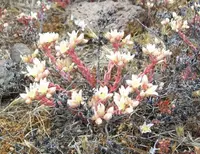
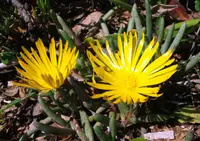
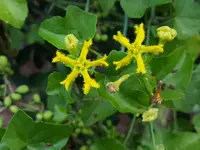
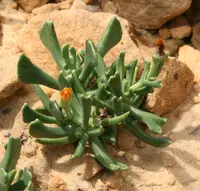
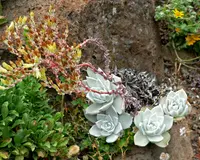
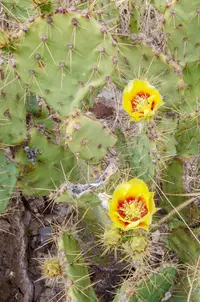
Panamint liveforever (Dudleya saxosa) is a small, drought-adapted succulent native to rocky slopes and cliffs in the deserts of California and neighboring regions. It forms tight rosettes of thick, often bluish or gray-green leaves that store water. In season, it sends up slender stems topped with clusters of yellow to orange star-shaped flowers that attract pollinators. This species grows slowly and prefers bright light, excellent drainage, and infrequent watering. Its sensitivity to excess moisture and disturbance makes it more challenging than common house succulents, especially outside its native climate. Gardeners who want to learn how to care for Panamint liveforever benefit from understanding its natural, dry, rocky habitat.

Main Plant Requirements

Care Difficulty

Hard Care

Light Preference

Full Sun

Water Requirements

Low Water

Temperature Preference

Warm Climate

Hardiness Zone

8–10

Soil Texture

Sandy, Rocky, Loamy

Soil pH

Slightly acidic (6.5–7.0), Neutral (7.0)

Soil Drainage

Well-drained

Fertilization

Minimal (feed rarely)

Get Personalized Care Plan

Scan your plant to receive care tips personalized for your specific plant

Available on iOS and Android

How to Care for the Panamint liveforever

This desert succulent needs strong light to stay compact and maintain healthy, waxy leaves.

  • Provide 6–8 hours of direct sun daily, ideally with cool morning sun and lighter afternoon exposure on very hot sites to protect Panamint liveforever rosettes from scorching.
  • In climates above 95°F (35°C), give bright, open shade or filtered light during midafternoon while still ensuring several hours of direct sun.
  • In winter, allow as much full sun as possible; long-term deep shade causes stretched, pale growth and weak leaf attachment.

This species prefers infrequent, deep watering and fast-drying, rocky soil.

  • Outdoors in native-like conditions, water only when the top 3–5 cm of soil are completely dry, then soak thoroughly so water runs through and the root zone moistens once.
  • Use sharply draining, gritty soil; avoid standing water around the crown, which quickly leads to root and stem rot in Dudleya saxosa.
  • Reduce or withhold irrigation in cool winter dormancy; prune back if leaves swell, split, or feel mushy from excess water, or wrinkle and curl tightly when too dry.

This plant is adapted to hot, arid conditions but needs protection from hard frost and extreme heat.

  • Aim for active growth in 60–80°F (16–27°C); brief spring and fall fluctuations outside this range are usually tolerated if soil drainage is excellent.
  • Established plants can survive down to about 25°F (−4°C) if dry, but repeated freezes or wet cold increase rot and tissue damage risk.
  • During hot spells above 95°F (35°C), reduce watering, avoid reflected heat from walls, and provide slight afternoon shade to prevent leaf scorch and stress.

This succulent prefers very dry air and rarely suffers from low household humidity.

  • Aim for 20–40% humidity, similar to arid desert conditions, to best match its native environment.
  • Dry indoor air is usually safe; problems arise more from excess moisture around leaves and crown than from low humidity itself.
  • If humidity regularly exceeds 50%, increase air movement with a fan and avoid misting to reduce risk of rot in Panamint liveforever.

This species needs a very fast-draining, mineral-based substrate to prevent root and crown rot.

  • Use a gritty mix such as 60–70% pumice, coarse sand, or fine gravel blended with 30–40% cactus mix or lean loam.
  • Ensure water runs through in seconds and the mix dries fully within 2–4 days to mimic rocky cliff habitats of Dudleya saxosa.
  • Keep pH slightly acidic to neutral, around 6.0–7.2, which suits most tap waters in the US.
  • Avoid peat-heavy, compact, or water-retentive mixes; add extra pumice or coarse sand to improve aeration if drainage seems slow.

This species is suitable for container growing when the pot and medium are managed for rapid drying.

  • Choose a wide, shallow pot that matches its shallow rooting habit and reduces water sitting around the crown.
  • Select unglazed terracotta to speed evaporation from the sides and counteract occasional overwatering.
  • Raise the container on pot feet or stones so drainage holes never sit flat against a saucer or deck, allowing water to escape freely.

This desert succulent grows well in lean soil, so fertilizing Panamint liveforever should be minimal and carefully controlled.

  • Use a very dilute balanced liquid fertilizer (around 1/4 strength) or a light top-dressing of low-nitrogen compost in spring.
  • Feed only once at the start of the active growing season if growth appears weak or leaves are pale.
  • Avoid slow-release pellets that can keep soil moist or salty around the crown.
  • Do not fertilize during summer dormancy or in winter, when roots are less active.

Pruning needs for Dudleya saxosa are light and mainly focused on cleanliness and plant health.

  • Best time is late winter to early spring, just before or as new growth starts.
  • Remove dead or shriveled leaves from the rosette base to improve airflow and discourage rot or pests.
  • Cut spent flower stalks at the base with clean, sharp scissors or pruning snips to keep the plant compact.
  • Avoid cutting into healthy rosettes, since this can deform the plant and create infection sites.

Transplanting this rock-dwelling succulent should be infrequent and done carefully to avoid damaging its sensitive roots.

  • Look for roots circling the container, pushing out of drainage holes, or clear stunting despite good light as signs it needs a larger pot or fresh substrate.
  • Plan repotting or transplanting for late winter to early spring, before strong heat or summer dormancy.
  • Expect to repot container plants only every 3–4 years, mainly to refresh very fast-draining mineral soil.
  • Gently loosen the root ball, keep roots shaded, replant at the same depth, and avoid watering for several days to limit transplant shock.

Propagation of this species is possible but should be done thoughtfully, especially when working with wild or conservation-sensitive plants.

  • Use stem cuttings or rosette offsets in late winter to early spring, when plants resume active growth.
  • Allow cut surfaces to dry and callus for several days in a shaded, airy place before planting.
  • Set cuttings in a very gritty, fast-draining mix, keep barely moist, and provide bright, indirect light until roots form.
  • Seed propagation requires fresh seed, bright light, and evenly moist but sharply drained substrate, with good air circulation to limit damping-off.

This drought-adapted succulent tolerates cool, dry winters but is sensitive to prolonged hard frost and winter wet.

  • In-ground plants in mild climates handle brief light frosts if soil is sharply drained and not waterlogged.
  • Provide a gravel mulch around the crown to keep leaves off wet soil and reduce freeze–thaw stress.
  • Move containers under cover or indoors to a bright, cool, frost-free spot when temperatures drop below 30°F.
  • Reduce or stop watering in winter so roots stay on the dry side, which increases cold tolerance and limits rot.

Care Tips

Rocky mounting

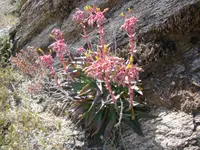
Plant in crevices of a rock garden or stacked stone wall so excess water runs off quickly and the roots stay cool and dry, mimicking its native cliff habitat.

Summer dormancy rest

Reduce all disturbance and avoid repotting or dividing during summer dormancy, as handling the rosette in hot weather increases stress and mortality.

Minimal organic matter

Keep organic content in the mix very low and top-dress with coarse rock or gravel, which reduces rot risk, discourages weeds, and protects the crown from staying wet.

Careful handling

Handle rosettes by the base, not the leaf tips, to avoid rubbing off the white waxy coating that protects leaves from sun and moisture loss.

Division timing

If offsets must be separated, do it in late winter to early spring just before active growth, then allow cut surfaces to dry for several days before replanting to lower infection risk when growing Panamint liveforever.

Common Pests and Diseases

Aphids

This pest feeds on new, tender growth and flower stalks, sucking plant sap and sometimes causing distortion or sticky honeydew on leaves. Symptoms include clustered soft-bodied insects on stems or under leaves, with possible sooty mold growing on the honeydew in humid conditions.

Solution

Dislodge colonies with a firm stream of water, taking care not to damage the rosette. For persistent infestations, spot-treat with a dilute insecticidal soap or neem oil spray on cool mornings, and avoid fertilizing heavily, which encourages soft, aphid-attracting growth.

Mealybugs

These insects appear as small white cottony masses tucked into leaf bases and between rosettes, where they feed on sap and weaken the plant. Symptoms include slowed growth, yellowing leaves, and sticky residue around infested areas.

Solution

Remove visible clusters with a cotton swab dipped in 70% isopropyl alcohol, then inspect leaf bases and offsets regularly. For larger infestations, use a low-residue systemic insecticide labeled for succulents outdoors, and reduce overhead watering that keeps crown areas damp and protected for pests.

Soft scale

This pest appears as small, dome-shaped bumps on leaves and stems that do not move when touched, often blending with the leaf color. These insects feed on sap, causing gradual decline, leaf yellowing, and honeydew that can support sooty mold growth.

Solution

Gently scrape or rub off individual scales with a soft cloth or gloved fingers, and prune heavily infested flower stalks or offsets. Follow with a targeted application of horticultural oil during cooler parts of the day, ensuring thorough coverage of both upper and lower leaf surfaces while avoiding heat stress.

Powdery mildew

This disease can affect plants grown in unusually humid or shaded conditions, producing white, powder-like patches on upper leaf surfaces. Symptoms include dull, blotchy foliage and reduced vigor, especially in crowded plantings or greenhouse conditions.

Solution

Improve air circulation, reduce overhead watering, and move plants to a sunnier, drier location if possible, as Dudleya saxosa plant care favors bright, airy sites. Remove heavily affected leaves and, if needed, apply a sulfur-based or potassium bicarbonate fungicide labeled for succulents, keeping treatments light and infrequent.

Snails and slugs

These pests chew irregular holes in leaves, often along margins, and may leave silvery slime trails on or around the rosettes. Damage is usually most noticeable after wet weather or irrigation, particularly at night or in shaded, ground-level plantings.

Solution

Hand-pick snails and slugs at dusk or early morning and reduce hiding places such as dense mulch or debris near the plants. For ongoing problems, use iron phosphate pellets placed away from the rosette or create physical barriers like copper tape or coarse grit around containers and rock pockets.

Interesting Facts

Desert cliff specialist

This species naturally grows in small crevices on sheer granitic or volcanic cliffs in the Mojave Desert and nearby ranges, where roots anchor in very shallow, fast-draining pockets of mineral soil.

Summer dormancy strategy

In its native habitat, the rosette often shrinks and leaves can develop a papery outer layer during the hottest, driest months, a form of drought avoidance that reduces surface area and water loss.

Chalky leaf coating

Leaves are covered in a whitish, waxy epicuticular coating called farina, which reflects intense sunlight and helps limit water loss; rubbing this off permanently reduces that protection.

Botan icon

Did you know?

Wild populations are highly localized and vulnerable to disturbance, and field botanists have documented that removal of just a small number of rosettes from a cliff face can eliminate an entire local colony because the plants are slow to establish and rely on very specific rock ledge microhabitats.

FAQs about Panamint liveforever

Lack of flowering usually comes from insufficient light, too much summer water, or using rich fertilizer. This species blooms best when kept dryish in summer, slightly root-bound, and exposed to strong sun with good seasonal temperature contrast.

Grow Healthy Plants with Botan Care

Keep your plants happy and healthy with plant identification, disease detection, and easy care guidance.

Botan plant care app — identify plants on mobile

Explore More Plants