Encourage Compact Growth
Rotate the pot 90° every 1–2 weeks so all sides receive similar light, which keeps the rosettes compact and prevents one-sided, stretched growth.

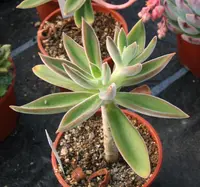
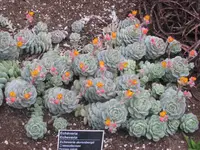
Red echeveria, Echeveria coccinea, is a compact succulent shrub known for its colorful rosettes and tall flower stalks. It stores water in thick, fleshy leaves, which makes it drought-tolerant and suitable for busy or forgetful plant owners.
Native to higher-altitude regions of Mexico, it prefers bright, dry conditions and good air circulation. Outdoors in mild climates it can form low, branching clumps, while in containers it usually stays smaller and more upright.
Its relatively slow growth, strong light requirement, and sensitivity to excess moisture influence how to care for Red Echeveria. It does best in bright light, fast-draining soil, and careful, infrequent watering.

Care Difficulty
Moderate Care

Light Preference
Full Sun

Water Requirements
Low Water

Temperature Preference
Warm Climate

Hardiness Zone
9–11

Soil Texture
Sandy, Loamy, Rocky

Soil pH
Slightly acidic (6.5–7.0), Neutral (7.0)

Soil Drainage
Well-drained

Fertilization
Minimal (feed rarely)
Scan your plant to receive care tips personalized for your specific plant
Available on iOS and Android
This sun-loving succulent needs bright, mostly direct light to keep compact and colorful.
Water sparingly and only after the soil has dried out well around the roots.
Stable, mild warmth supports compact growth and healthy leaves.
This succulent prefers relatively dry air and does not need extra humidity beyond typical indoor levels.
This species needs a very fast-draining, mineral-rich mix that keeps roots aerated and dry between waterings.
This species is well suited to container growing when the pot supports fast drainage and stable, shallow rooting.
This succulent needs only light feeding, as excess nutrients can weaken growth and color in Red Echeveria.
Pruning Echeveria coccinea is mainly cosmetic, helping keep rosettes neat and flowering stems tidy.
Container-grown plants benefit from occasional repotting to refresh soil and manage root health.
This species is commonly multiplied from offsets and stem cuttings rather than from seed for home growers.
Cold sensitivity means Echeveria coccinea needs thoughtful winter care in most temperate climates.

Plant Health Check
Not sure what's wrong with your plant? Check your plant's health inside the app.
In its native Mexican habitats, this species is primarily pollinated by hummingbirds, which are attracted to its tubular, orange-red flowers that hang on tall, arching stalks above the rosette.
Unlike many compact, ground-hugging Echeveria species, this plant can develop a woody, branching base and take on a small, shrubby form over time, especially in open ground in mild climates.
This species shows relatively good tolerance to cool, dry conditions compared with many related Echeveria, and established plants can survive brief light frosts in well-drained soil.

Historical herbarium records and field observations show that this species has a fairly restricted natural distribution in central Mexico, where it typically grows on rocky slopes and cliffs, often rooted in shallow crevices with very little soil.
Lack of blooms usually relates to insufficient light, no cool rest period, or excess nitrogen fertilizer. This species flowers best after bright, strong light, slightly cooler, drier winter conditions, and a balanced or low-nitrogen feed used sparingly.
Keep your plants happy and healthy with plant identification, disease detection, and easy care guidance.