Echeveria simulans Care

Echeveria simulans

About Echeveria simulans

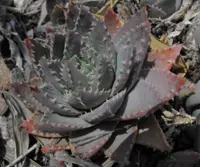
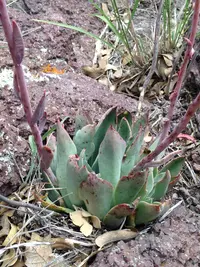
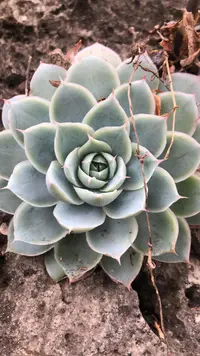
Echeveria simulans is a small rosette-forming succulent from arid regions of Mexico. It stores water in its fleshy leaves, which helps it tolerate short dry periods. The leaves are usually blue-green to grayish with a powdery coating and can blush with pink tones in strong light.

This species stays compact, making it suitable for containers, windowsills, and mixed succulent plantings. It is generally considered easy to grow as long as excess moisture is avoided.

Those learning how to care for Echeveria simulans should focus on bright light, very well-drained soil, and careful watering that allows the roots to dry between waterings.

Main Plant Requirements

Care Difficulty

Easy Care

Light Preference

Full Sun

Water Requirements

Low Water

Temperature Preference

Tropical / Frost Sensitive

Hardiness Zone

10–11

Soil Texture

Sandy, Loamy, Rocky

Soil pH

Slightly acidic (6.5–7.0), Neutral (7.0)

Soil Drainage

Well-drained

Fertilization

Minimal (feed rarely)

Get Personalized Care Plan

Scan your plant to receive care tips personalized for your specific plant

Available on iOS and Android

How to Care for the Echeveria simulans

This compact succulent needs strong light to keep its rosettes dense and leaves well colored.

  • Provide 6–8 hours of direct sun daily, ideally with bright morning sun and light afternoon shade, especially in hot, dry climates.
  • Echeveria simulans tolerates light partial shade, but low light causes stretched, pale growth and weak leaves.
  • In summer, harden plants off before full exposure to strong midday sun to prevent scorch; in winter, move pots to the brightest, frost-free spot available.

This species prefers thorough but infrequent watering and fast-drying soil.

  • Water only when the top 3–5 cm of soil are completely dry, then soak the root zone and drain off any excess promptly.
  • Use a gritty, sharply draining cactus mix so roots do not sit in water, reducing the risk of rot and mushy, yellowing leaves.
  • In spring and summer, watering needs rise; in fall and winter, water much less, watching for slight leaf wrinkling as a sign to water.

This succulent prefers warm, dry conditions with protection from frost and extreme heat.

  • Aim for 65–80°F (18–27°C) for active growth; short periods up to 90°F (32°C) are tolerated if soil is dry and airflow is good.
  • Protect from temperatures below 35–40°F (2–4°C); hard frost can damage rosettes and kill the growing point.
  • In regions with cold winters, treat it as a container plant and move under cover before frost, providing the brightest possible spot at 50–60°F (10–16°C).

This species prefers dry indoor air and does not need elevated humidity.

This succulent needs a very fast-draining, mineral-based substrate to protect roots from rot.

  • Use a gritty mix such as 50–70% inorganic material (pumice, coarse perlite, or 3–5 mm gravel) blended with a succulent or cactus base.
  • Aim for a loose, open texture that never compacts, so water runs through within seconds instead of pooling on the surface.
  • Keep pH slightly acidic to neutral, around 6.0–7.0, avoiding peat-heavy mixes that stay wet too long and sour.
  • For Echeveria simulans, improve aeration by increasing pumice or coarse sand whenever pots stay damp longer than 3–4 days.

This species is well suited to container culture when drainage and pot proportions are controlled carefully.

  • Choose a shallow, wide pot so the fibrous roots can spread while the rosette remains above the rim for better airflow.
  • Select unglazed terracotta if extra evaporation is needed in humid or cool climates to reduce the risk of persistent moisture.
  • Use a pot heavy enough that it does not tip if the rosette becomes offset-heavy or exposed to outdoor wind.

This succulent performs well with light feeding during its active season in spring and summer.

  • Use a balanced liquid fertilizer (around 10-10-10 or 20-20-20) diluted to 25–50% strength for Echeveria simulans.
  • Apply every 4–6 weeks during active growth, on already-moist soil to reduce root burn risk.
  • Skip feeding in late fall and winter when growth slows, as excess nutrients can cause weak, stretched growth.
  • For a gentler option, mix a small amount of fine compost into the top layer of soil once each spring.

Pruning needs are minimal and mainly focus on keeping the rosette clean and healthy.

  • Best time is late winter to early spring, before strong new growth starts on Echeveria simulans.
  • Remove dried lower leaves, spent flower stalks, and any damaged or diseased tissue with clean, sharp scissors.
  • Clear crowded, shading leaves around the base to improve airflow and reduce rot risk.
  • Shaping is limited; removing leggy stems encourages a more compact plant when combined with strong light.

This species prefers tight containers and infrequent disturbance, so repot only when clearly needed.

  • Check for roots circling the pot, pushing through drainage holes, or very slow growth as signs Echeveria simulans needs repotting.
  • Plan repotting for spring, about every 2–3 years, when active growth supports recovery.
  • Use a dry, well-draining succulent mix and a pot only 1–2 cm wider than the old one.
  • Gently loosen the root ball, remove rotted roots, pot at the same depth, then keep soil barely moist for 7–10 days.

This succulent is commonly multiplied from offsets and leaf or stem cuttings.

  • Detach offsets from the base of Echeveria simulans in spring or early summer, letting wounds dry 1–2 days.
  • Place leaf or stem cuttings on gritty, barely moist succulent mix under bright, indirect light.
  • Maintain warm conditions around 70–80°F with low to moderate humidity for reliable rooting.
  • Sow seeds on the surface of a fast-draining mix, keep lightly moist, and provide gentle bottom warmth if possible.

Cold sensitivity means this plant needs attentive winter care in most temperate climates.

  • Echeveria simulans is damaged by hard frost and should be kept above about 35–40°F.
  • Move containers indoors or to a bright, cool, frost-free porch before overnight temperatures drop near freezing.
  • Water sparingly, allowing soil to dry almost completely, to avoid cold, wet root rot.
  • In mild climates, use a gritty, raised bed and a light, dry mulch around the root zone for extra insulation.

Care Tips

Rotate for symmetry

Turn the pot 90° every 1–2 weeks so new rosettes develop evenly and do not lean or spiral toward a single light source.

Use top dressing

Apply a 0.5–1 cm layer of inert gravel or pumice on the soil surface to keep lower leaves dry, reduce fungus gnat problems, and stabilize the shallow root system.

Leaf removal hygiene

Remove dried or mushy lower leaves with clean fingers or sterilized tweezers to improve air movement around the crown and reduce hiding places for mealybugs.

Winter dryness adjustment

In cool, bright winter conditions, extend the interval between waterings and keep the plant slightly drier to reduce the risk of root rot during its semi-dormant phase when caring for Echeveria simulans.

Propagation timing

Take leaf cuttings or offsets in late spring to midsummer when temperatures are warm and days are longer, which promotes faster callusing and more reliable rooting.

Common Pests and Diseases

Mealybugs

This pest feeds on leaf sap and hides in leaf rosettes and along the stem, often appearing as white cottony masses. Symptoms include distorted new growth, sticky honeydew, and slow decline of the rosette.

Solution

Remove visible insects with a cotton swab dipped in 70% isopropyl alcohol, then thoroughly inspect and treat all leaf axils and crevices. Isolate the plant, repeat spot treatments weekly until no new insects appear, and improve light and airflow to support recovery while avoiding overhead misting during Echeveria simulans care instructions.

Aphids

These insects cluster on flower stalks and young leaves, sucking sap and causing curling, yellowing, and sticky honeydew that can attract sooty mold. Infestations are often most noticeable during or after flowering flushes.

Solution

Rinse the plant gently but thoroughly with a firm stream of water, focusing on flower stalks and undersides of leaves, then allow the rosette to dry quickly. If needed, follow with a horticultural soap spray labeled for succulents, applied in the early morning and repeated after 5–7 days while keeping the plant in bright, dry conditions.

Soft scale

This pest appears as small, immobile, tan or brown bumps on leaves and stems, especially near the base of the rosette. Symptoms include gradual yellowing, reduced vigor, and sticky residue on leaves or nearby surfaces.

Solution

Manually scrape or wipe off scale with a soft cloth or cotton swab dipped in 70% isopropyl alcohol, taking care not to damage the leaf surface. After removal, monitor closely and use a light horticultural oil spray on affected areas only, applied in shade and allowed to dry before returning the plant to full sun or bright light.

Powdery mildew

This disease produces white, powdery patches on leaves and sometimes flower stalks, often in conditions with warm days, cool nights, and poor air movement. Symptoms include dull, discolored foliage and reduced vigor over time.

Solution

Remove heavily affected leaves if possible and improve spacing and airflow around the plant, avoiding any overhead watering in cool or shaded conditions. If the problem persists, apply a sulfur-based or potassium bicarbonate fungicide labeled for ornamentals, treating in the evening and keeping the plant in a bright, low-humidity location.

Edema

Symptoms include small corky, blister-like spots on lower leaves caused by cells bursting when roots take up water faster than the leaves can transpire it. This physiological disorder is common when plants are overwatered in cool or low-light conditions.

Solution

Adjust watering so the soil dries completely between waterings and ensure the potting mix is very fast-draining with a high mineral content. Provide strong light, warm conditions, and good airflow, and remove only the most damaged leaves while allowing new growth to develop under improved care practices.

Interesting Facts

Rosette mimicry origin

The species name simulans refers to its resemblance to related Echeveria species, highlighting how similar rosette forms evolved in the genus in response to strong sun and intermittent drought in its native Mexican habitats.

Native rocky specialist

This species is naturally found on rocky slopes and outcrops in central Mexico, where its roots anchor in shallow crevices and access brief moisture pulses that follow infrequent rains.

Bloom-time color shift

Under strong light, the normally bluish to gray-green leaves can develop pinkish margins, especially around the time it sends up its flowering stalks with orange to reddish bell-shaped flowers.

FAQs about Echeveria simulans

This species stays compact, usually forming low rosettes around 7–12 cm tall and 10–15 cm wide. Older plants may offset and form small clumps, but it does not develop tall, upright stems under good light.

Grow Healthy Plants with Botan Care

Keep your plants happy and healthy with plant identification, disease detection, and easy care guidance.

Botan plant care app — identify plants on mobile

Explore More Plants