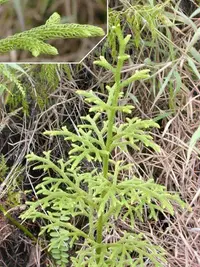
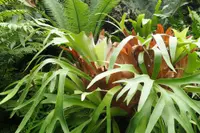
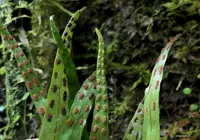
Narrow-Leafed Deer Tongue Care (Elaphoglossum acrostichoides)

Narrow-Leafed Deer Tongue

About Narrow-Leafed Deer Tongue

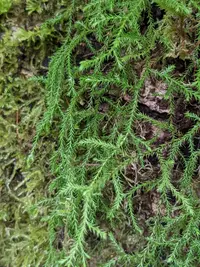
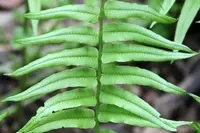
Narrow-leafed deer tongue (Elaphoglossum acrostichoides) is an evergreen epiphytic fern, usually found growing on trees, rocks, or mossy banks. It forms low, tidy clumps of narrow, strap-like fronds with a simple, clean outline.

This species is native to tropical and subtropical forests of the Americas, where it thrives in shaded, humid understories. Its slow, steady growth and preference for stable moisture make it moderately demanding in cultivation.

To care for Narrow-Leafed Deer Tongue successfully, growers need to provide soft, indirect light, high humidity, and a loose, airy substrate that stays lightly moist but never waterlogged.

Main Plant Requirements

Care Difficulty

Moderate Care

Light Preference

Partial Shade

Water Requirements

Keep Soil Moist

Temperature Preference

Tropical / Frost Sensitive

Hardiness Zone

11–12

Soil Texture

Peaty, Organic-rich, Loamy

Soil pH

Strongly acidic (4.5–5.5), Acidic (5.5–6.5)

Soil Drainage

Moist but well-drained

Fertilization

Minimal (feed rarely)

Get Personalized Care Plan

Scan your plant to receive care tips personalized for your specific plant

Available on iOS and Android

How to Care for the Narrow-Leafed Deer Tongue

This fern prefers low to moderate light that mimics a shaded forest floor.

  • Provide bright, filtered light or open shade, such as dappled light under trees, for 4–6 hours per day; avoid direct midday sun on fronds.
  • Tolerates deep shade but growth becomes slower and fronds elongate; Narrow-Leafed Deer Tongue looks fuller in bright shade with brief early-morning or late-afternoon sun only.
  • In hot summers, protect from harsh sun using overhead canopy or shade cloth, especially on south- or west-facing exposures to prevent leaf scorch.

This species prefers consistently moist but not waterlogged conditions around its rhizomes.

  • Water when the top 2–3 cm of soil or substrate feels barely damp, aiming to keep the root zone evenly moist rather than alternating between wet and dry.
  • Use loose, humus-rich soil with very good drainage so water moves through quickly; standing water around the rhizome increases risk of root rot and blackened fronds.
  • In warm months, check moisture more often; in cooler seasons, allow the surface to dry a bit more and watch for wilted, crisp tips as a sign of underwatering in Elaphoglossum acrostichoides.

This fern thrives in stable, mild temperatures without sudden extremes.

  • Optimal growth occurs at 60–75°F (16–24°C), similar to cool to warm-temperate woodland conditions with moderate humidity.
  • Avoid temperatures below 45°F (7°C); light, brief dips may be tolerated, but persistent cold or frost will damage fronds and can kill the rhizome.
  • In hot weather above 80°F (27°C), provide extra shade and moisture; avoid hot, dry winds or heat-reflecting surfaces that can overheat foliage.

This fern prefers consistently humid air and reacts quickly to dry indoor conditions.

  • Aim for 60–80% air humidity, as Narrow-Leafed Deer Tongue naturally grows in moist forest environments.
  • Dry tips, rolled fronds, and stalled new growth indicate humidity stress rather than underwatering.
  • Increase humidity with a pebble tray under the pot, grouping plants, or a small humidifier placed nearby rather than misting alone.

This species needs loose, moisture-retentive yet fast-draining soil that mimics decomposing forest litter.

  • Use an organic-rich mix such as 50% fine orchid bark, 30% peat or coco coir, and 20% perlite for Elaphoglossum acrostichoides.
  • Ensure a crumbly, airy structure so roots receive oxygen and water drains through within a few seconds of watering.
  • Maintain slightly acidic conditions around pH 5.5–6.5, avoiding strongly alkaline mixes containing large amounts of lime.
  • Avoid dense garden soil, heavy clay, or compacted peat blocks that stay waterlogged and encourage root and rhizome rot.

This fern adapts well to container culture when moisture and stability are carefully managed.

  • Choose a squat, wide pot so the shallow rhizomes can spread horizontally without deep, unused soil that stays wet.
  • Select a slightly porous material such as unglazed clay if overwatering is a risk, as it allows excess moisture to evaporate steadily.
  • Place the container in a stable, protected spot because the arching fronds can catch air movement and tip over light pots.

This fern grows slowly and needs only light feeding, especially when Narrow-Leafed Deer Tongue is container grown.

  • Use a balanced liquid fertilizer (around 10-10-10) diluted to 1⁄4–1⁄2 strength for indoor or potted plants.
  • Feed once every 4–6 weeks in spring and summer, only when the plant is actively growing.
  • Avoid fertilizing in fall and winter, or apply at most a very weak solution once during the season.
  • Flush the pot with plain water every few months to prevent fertilizer salt buildup around the roots.

Elaphoglossum acrostichoides needs minimal pruning, mainly to maintain a tidy appearance and healthy fronds.

  • Best time to prune is late winter to early spring, before new fronds emerge strongly.
  • Remove dead, yellowing, or damaged fronds at the base using clean, sharp scissors or pruners.
  • Thin out any crowded or crossing fronds to improve air flow and reduce fungal issues.
  • Avoid cutting into the rhizome; preserving it maintains the plant’s natural arching form.

This fern prefers stable conditions, so repot or transplant Elaphoglossum acrostichoides only when clearly necessary.

  • Look for roots circling the pot, pushing through drainage holes, or noticeably slowed growth as signs it needs more space.
  • Plan repotting or outdoor transplanting for early spring, allowing the plant a full growing season to recover.
  • Expect container plants to need repotting about every 2–3 years into a slightly larger pot with loose, well-drained, humus-rich mix.
  • Handle the root ball gently, keep the rhizome at the same depth, water thoroughly, then keep in shaded, humid conditions for 1–2 weeks.

This fern is usually propagated by careful division rather than from spores, which are slower and more technical.

  • Plan division for early spring when new growth begins and the plant is actively recovering.
  • Lift the clump gently and divide the rhizome into sections, each with several healthy fronds and a good root portion.
  • Plant divisions into a fine, moisture-retentive, well-drained mix and keep consistently damp, never waterlogged.
  • Maintain high humidity, stable warmth (65–75°F), and low light until new fronds expand, then acclimate gradually.

In mild climates this fern overwinters outdoors with minimal intervention, but in colder areas some winter care improves survival.

  • Elaphoglossum acrostichoides is sensitive to hard freezes and prolonged frost, especially in exposed sites.
  • In the ground, apply a 5–8 cm layer of leaf mold or bark mulch around the root zone, not covering the crown.
  • Move container plants indoors or into a cool greenhouse before temperatures drop near freezing, keeping soil lightly moist.

Care Tips

Use Mounting Boards

Mount rhizomes on cork bark or hardwood slabs with sphagnum moss around the roots to mimic their natural epiphytic habit and improve aeration around the root zone.

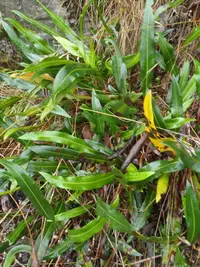
Layered Moss Cushion

Create a thin, even cushion of long-fiber sphagnum under and just around the rhizome instead of packing moss tightly, which reduces rot risk while keeping the plant evenly moist.

Soft Air Movement

Place the plant where there is gentle, continuous air movement from a fan set on low to reduce fungal issues on fronds without drying the plant excessively.

Shade-Grade Watering

Use room-temperature, low-mineral water and apply it over the moss or substrate surface rather than directly on the frond bases to avoid crown rot and spotting.

Slow Acclimation Steps

When moving the plant between terrarium, greenhouse, and room conditions, increase or decrease light and humidity over 7–10 days to limit stress and frond drop while growing Narrow-Leafed Deer Tongue.

Common Pests and Diseases

Scale insects

This pest feeds on frond surfaces and midribs, causing yellowing, speckling, and a sticky honeydew that can lead to sooty mold on narrow fronds.

Solution

Physically remove scales with a cotton swab dipped in 70% isopropyl alcohol, then rinse fronds with lukewarm water and increase air movement; for persistent infestations on indoor plants, apply a light horticultural oil spray, ensuring full coverage of both frond surfaces without drenching the rhizome.

Mealybugs

These insects hide in frond bases and along the rhizome, sucking sap and weakening the plant, often leaving white, cottony clusters in tight crevices.

Solution

Isolate the plant, then dab visible mealybugs with alcohol on a cotton swab and gently wash the foliage; repeat treatments weekly and use an insecticidal soap solution focused on frond bases and rhizome joints while keeping the growing medium only lightly moist to reduce stress.

Rhizoctonia blight

This disease causes brown, irregular lesions on fronds and can spread along the rhizome, leading to a thinning clump and dieback in overly wet, poorly ventilated conditions.

Solution

Remove and discard affected fronds and any soft rhizome sections, then improve air circulation, reduce overhead watering, and allow the surface of the substrate to dry slightly between waterings; in severe indoor cases, repot into a fresh, well-drained, airy mix and avoid crowding to support long-term Elaphoglossum acrostichoides plant care.

Bacterial leaf spot

Symptoms include small, water-soaked spots that turn dark brown to black, often along the frond margins where water lingers after misting or overhead watering.

Solution

Cut off and discard infected frond sections, avoid wetting the foliage, and water at the base in the morning so any incidental moisture dries quickly; increase airflow around the plant and keep humidity high but stable rather than using frequent heavy misting.

Interesting Facts

Epiphytic forest specialist

This fern typically grows as an epiphyte on tree trunks and rotting logs in moist forests of the southeastern United States, rather than rooted in soil, which allows it to exploit humid, shaded microhabitats high above the ground.

Narrow, tongue-like fronds

The species name acrostichoides refers to its distinctive long, narrow fronds that resemble a tongue, often forming simple, undivided blades that differ from the more divided fronds of many other ferns.

Sori covering the underside

Unlike many ferns with sori arranged in neat rows or clusters, this species can develop a dense, almost continuous layer of sporangia on the underside of fertile fronds, giving them a dusty or rusty appearance when mature.

FAQs about Narrow-Leafed Deer Tongue

This fern performs best outdoors in shaded, consistently moist, humus-rich sites that mimic forest understory conditions. It can be grown indoors if humidity is kept high, temperatures stable, and light filtered, but outdoor woodland conditions are usually superior.

Grow Healthy Plants with Botan Care

Keep your plants happy and healthy with plant identification, disease detection, and easy care guidance.

Botan plant care app — identify plants on mobile

Explore More Plants