Elaphoglossum engelii Care

Elaphoglossum engelii

About Elaphoglossum engelii

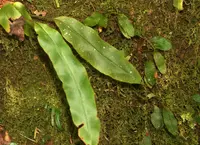
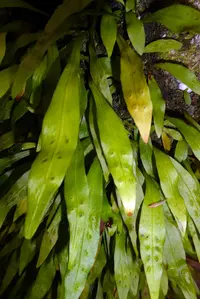
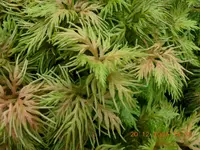
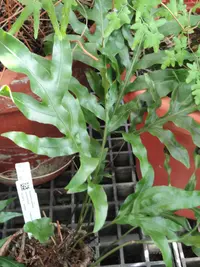
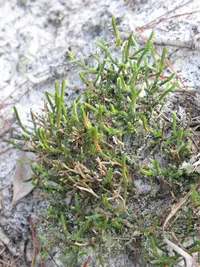
Elaphoglossum engelii is a small epiphytic fern, usually found growing on tree trunks or mossy rocks in humid tropical and subtropical forests. It forms simple, narrow fronds that create a neat, upright clump.

This species prefers cool to mild temperatures, steady moisture, and consistently high humidity, which reflects its cloud forest origins. It is considered moderately challenging, mainly because it reacts poorly to drying out, low humidity, or strong direct sun.

For growers who can provide stable moisture, soft light, and an airy, mossy substrate, it can adapt well indoors, and understanding how to care for Elaphoglossum engelii is key to keeping it long-lived.

Main Plant Requirements

Care Difficulty

Hard Care

Light Preference

Shade

Water Requirements

Keep Soil Moist

Temperature Preference

Tropical / Frost Sensitive

Hardiness Zone

Unknown

Soil Texture

Peaty, Organic-rich

Soil pH

Acidic (5.5–6.5)

Soil Drainage

Moist but well-drained

Fertilization

Light (every 4–6 weeks)

Get Personalized Care Plan

Scan your plant to receive care tips personalized for your specific plant

Available on iOS and Android

How to Care for the Elaphoglossum engelii

This cloud-forest fern prefers low to moderate, filtered light that mimics bright forest shade.

  • Provide bright, indirect light or dappled shade, such as beneath taller plants or under 30–60% shade cloth, avoiding direct mid‑day sun.
  • Allow gentle early morning sun for 1–2 hours if temperatures are mild, but protect from strong afternoon sun that scorches fronds and dries mossy substrates.
  • In winter, when days shorten, move Elaphoglossum engelii slightly closer to a bright window or canopy opening to maintain steady frond production.

This fern prefers consistently moist, airy substrate and is sensitive to both drought and waterlogging.

  • Water when the top 1–2 cm of substrate feels just barely dry, aiming to keep the root zone evenly moist but never saturated.
  • Use loose, fast-draining media (for example fine bark, sphagnum, perlite) so excess water runs through, preventing sour smell, black roots, or mushy rhizomes from overwatering.
  • Increase watering frequency in warm, active growth and reduce slightly in cooler seasons, watching for limp, curling fronds as a sign of underwatering.

This species comes from cool to mild tropical forests and dislikes both frost and extreme heat.

  • Aim for 60–75°F (16–24°C) as the main growing range, where frond expansion and root activity remain stable.
  • Protect from cold below about 45°F (7°C); brief dips may be tolerated, but freezing rapidly damages fronds and can kill the rhizome.
  • In hot spells above 80–85°F (27–29°C), increase shade and humidity, and avoid hot, stagnant air, which stresses the plant and slows growth.

This fern prefers consistently moist air and benefits from elevated humidity.

  • Aim for 60–80% humidity; use a hygrometer to avoid prolonged periods below 50%.
  • Dry air causes crisping frond tips, slow growth, and increased susceptibility to spider mites.
  • Increase humidity with a nearby humidifier, grouped plants, or a pebble tray, rather than misting, which adds only brief surface moisture.

This species prefers a loose, organic, and airy substrate that mimics humus-rich forest floor.

  • Use a mix of fine orchid bark, peat or coco coir, and perlite in roughly equal parts for a fibrous, moisture-retentive but open structure.
  • Ensure rapid drainage so water does not pool; the mix should feel springy, not compact or sticky after watering.
  • Maintain slightly acidic conditions around pH 5.5–6.5, avoiding added lime or alkaline tap water when possible for Elaphoglossum engelii.
  • Improve aeration by adding extra bark or chunky perlite if the potting mix feels heavy or dries very slowly in the center.

This fern adapts well to container culture when moisture and aeration are carefully managed.

  • Choose a broad, shallow pot to match its surface root system and keep the rhizome close to the mix surface.
  • Select breathable materials like unglazed clay if the environment is humid, or glazed/plastic pots if moisture loss is rapid.
  • Stabilize lightweight pots with heavy bases or cachepots so the plant is not disturbed when the fronds gain length and mass.

This fern grows slowly and needs only light feeding in cultivation to stay healthy.

  • Use a balanced liquid fertilizer (around 10-10-10) at 1/4–1/2 strength during active growth in spring–summer.
  • Apply every 4–6 weeks if growth is modest; skip feedings if the plant looks stressed or wilted.
  • Rinse the substrate with plain water monthly to avoid salt buildup around the roots.
  • Stop feeding Elaphoglossum engelii in fall and winter when growth is minimal.

Pruning needs for this fern are minimal and focus on hygiene rather than shaping.

  • Remove dead, yellowing, or diseased fronds at the base at any time of year using clean, sharp scissors.
  • In late winter or early spring, clear away old, tattered fronds to make room for new growth.
  • Avoid cutting healthy fronds aggressively, as this reduces photosynthesis and weakens the plant.
  • Disinfect tools with alcohol before and after pruning Elaphoglossum engelii to reduce disease spread.

Handling this fern’s roots gently is important, as they are sensitive to disturbance.

  • Check for crowded rhizomes or roots circling the pot, slow growth, or fast-drying substrate as signs repotting is needed.
  • Plan to repot every 2–3 years in spring, shifting to a slightly larger container with airy, organic-rich mix.
  • Water well a day before repotting to soften the root ball and reduce mechanical stress during handling.
  • After moving Elaphoglossum engelii, keep it shaded, evenly moist, and sheltered from drafts for 1–2 weeks.

Propagation of this species is possible but slow, and usually done on established clumps.

  • Use careful division of the rhizome in spring, when new growth starts and recovery is fastest.
  • Select sections with several healthy fronds and viable roots; avoid splitting very small pieces.
  • Plant divisions in a fine, moist, well-drained mix, and maintain high humidity (60–80%) with gentle airflow.
  • Keep Elaphoglossum engelii divisions warm (65–75°F) with indirect light until new fronds appear.

This fern is not frost hardy and benefits from protected conditions in cold climates.

  • Keep temperatures above 50°F; prolonged exposure near freezing damages fronds and rhizomes.
  • For container plants, move indoors or into a frost-free greenhouse before the first hard frost.
  • Reduce watering in winter, keeping the mix slightly moist but never waterlogged in cool conditions.
  • Avoid cold drafts and sudden temperature swings, which can stress Elaphoglossum engelii and cause leaf drop.

Care Tips

Use living mulch

Plant this fern into a shallow, ventilated container and top-dress the surface with long-fiber sphagnum moss to keep rhizomes evenly moist while still allowing air to reach them.

Mounting on slabs

For advanced culture, attach the rhizome to cork or tree-fern slab with sphagnum and soft ties, then mist briefly and often so roots can anchor and the plant stays closer to the high-humidity microclimate it prefers.

Cool root management

Place the pot inside a slightly larger cachepot with damp expanded clay pebbles around it to buffer temperature swings and keep the root zone cooler and more stable.

Gentle air circulation

Run a small fan on low, not aimed directly at the fronds, to reduce fungal spotting and help the fronds dry after misting without lowering humidity drastically.

Quarantine and inspection

When caring for Elaphoglossum engelii, always keep new ferns isolated for 2–3 weeks and inspect the frond undersides with a hand lens so slow-moving pests or early fungal issues are caught before they spread.

Common Pests and Diseases

Scale insects

This pest often settles along midribs and underside of fronds, feeding on sap and causing yellowing, stunting, and sticky honeydew on the foliage.

Solution

Remove heavily infested fronds, then wipe remaining fronds and rhizomes with cotton pads dipped in diluted alcohol or insecticidal soap; repeat weekly until no new scales appear, and maintain higher humidity and good air movement to reduce stress that attracts them.

Fern aphids

These insects cluster on the tender emerging fronds and sori, sucking sap and leading to deformed, pale, or curled new growth.

Solution

Rinse fronds thoroughly with a gentle but firm stream of water, then treat remaining colonies with a ready-to-use insecticidal soap or neem oil spray, repeating every 5–7 days while monitoring new fronds as they unfurl.

Rhizoctonia leaf blight

This disease causes irregular brown lesions starting at frond bases or along the midrib, often with a water-soaked or slightly sunken edge in persistently wet conditions.

Solution

Trim and discard infected fronds, then improve air circulation, avoid overhead watering, and allow the surface of the substrate, moss, or mount to drain quickly; if spread continues, apply a fern-safe fungicide according to label directions and reduce crowding around the plant.

Botrytis gray mold

Symptoms include soft, water-soaked patches on older fronds that develop a fuzzy gray mold, especially in cool, stagnant, and very humid enclosures or terrariums.

Solution

Remove all affected tissue and increase airflow by slightly opening terrarium vents or spacing plants, keep fronds dry during watering, and if needed use a low-toxicity fungicide labeled for ferns while adjusting humidity to a stable but not saturated level as part of overall Elaphoglossum engelii care.

Interesting Facts

Restricted Andean range

This fern is known from a relatively narrow montane range in the northern Andes, occurring in cloud forests where cool temperatures, persistent mist, and very high humidity prevail for most of the year.

Epiphytic leaf habit

It typically grows as an epiphyte on mossy tree trunks and branches, anchoring in organic debris rather than soil, which influences its thin, delicate roots and sensitivity to substrate drying.

Simple sterile fronds

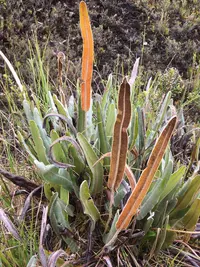
Unlike some related species with strongly dimorphic fronds, this species bears simple, entire leaves whose undersides may be fertile, giving it a more uniform, strap‑leaf appearance even when it is producing spores.

FAQs about Elaphoglossum engelii

This species suits indoor decoration if humidity stays high and light is gentle and indirect. Mounting on cork or bark, or using a loose, airy mix, helps mimic its epiphytic habit and supports long-term Elaphoglossum engelii indoor care.

Grow Healthy Plants with Botan Care

Keep your plants happy and healthy with plant identification, disease detection, and easy care guidance.

Botan plant care app — identify plants on mobile

Explore More Plants