starfern Care (Hemionitis palmata)

starfern

About starfern

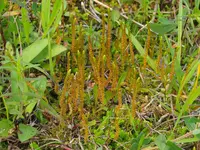
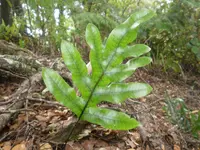
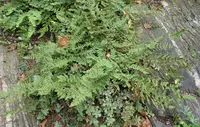
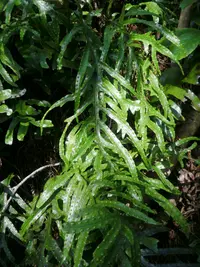
Starfern, Hemionitis palmata, is a small terrestrial fern valued for its delicate, palm-shaped fronds and compact, clumping growth habit. It stays relatively low and works well in containers or terrariums.

This species is native to tropical regions of the Americas, where it grows in warm, shaded forest floors with consistently damp, humus-rich soil. It prefers stable moisture, good airflow, and gentle, indirect light, so it can be more demanding than many common houseplants.

For those who learn how to care for starfern and keep conditions steady, it can provide a refined, woodland look indoors over many years.

Main Plant Requirements

Care Difficulty

Moderate Care

Light Preference

Partial Shade

Water Requirements

Keep Soil Moist

Temperature Preference

Tropical / Frost Sensitive

Hardiness Zone

10–11

Soil Texture

Loamy, Peaty, Organic-rich

Soil pH

Acidic (5.5–6.5)

Soil Drainage

Moist but well-drained

Fertilization

Light (every 4–6 weeks)

Get Personalized Care Plan

Scan your plant to receive care tips personalized for your specific plant

Available on iOS and Android

How to Care for the starfern

This fern prefers soft, filtered light that mimics a shaded forest floor.

  • Provide bright, indirect light or dappled shade, with no more than 1–2 hours of gentle morning sun and no harsh midday or afternoon sun.
  • Tolerates medium to deep shade, but growth of starfern becomes slower and fronds smaller if light is too dim for most of the day.
  • Outdoors, place under trees, shade cloth, or on a north/east side; indoors, set 1–2 m from an east or north window to avoid leaf scorch.

This fern needs consistently moist but not waterlogged soil.

  • Water when the top 2–3 cm of soil feel barely dry, aiming to keep the root zone evenly damp rather than cycling between very wet and very dry.
  • Use loose, humus-rich soil with good drainage; excess water should drain within 1–2 minutes to reduce risk of root rot and yellowing fronds.
  • In cooler months, let the surface dry a little deeper and watch for drooping or crisping fronds as a sign to water Hemionitis palmata more promptly.

Stable, warm conditions are important for healthy growth and frond quality.

  • Aim for 65–80°F (18–27°C) during active growth, as this range supports steady frond production and root activity.
  • Protect from cold; growth slows below about 55°F (13°C), and the plant is easily damaged by temperatures near 40°F (4°C) or any frost.
  • In hot spells above 85°F (29°C), increase shade and humidity and avoid placing it near drying winds, heaters, or west-facing heat traps.

This fern needs consistently high humidity to keep fronds healthy and prevent crisping.

  • Aim for 60–80% humidity; it tolerates brief dips but declines in prolonged dry central heating air.
  • Low humidity causes pale, curling, or brown-edged fronds and stalled new growth in starfern.
  • Increase humidity with a room humidifier, grouped plants, or a pebble tray placed under but not touching the pot base.

This species prefers a loose, moisture-retentive yet airy mix similar to a fine orchid or epiphytic fern substrate.

  • Use a mix of 40% peat or coco coir, 30% fine bark, 20% perlite, and 10% compost for Hemionitis palmata.
  • Ensure rapid drainage so water flows through in seconds but the mix still feels lightly moist, not soggy, after watering.
  • Keep pH slightly acidic to neutral, roughly 5.5–7.0, avoiding lime-heavy or strongly alkaline components.
  • Improve aeration by using small-grade bark and perlite, and avoid compacted garden soil or heavy clay-based potting mixes.

This fern is well suited to container growing due to its compact, shallow root system.

  • Choose a wide, relatively shallow pot to match its spreading rhizomes and prevent deep, poorly aerated wet zones.
  • Select a plastic or glazed ceramic pot if extra moisture retention is needed, but reduce watering frequency in these materials.
  • Stabilize lightweight pots with a heavier outer cachepot or top-dressing gravel so the fronds do not tip the container when fully grown.

Hemionitis palmata is a light feeder, so use modest, diluted nutrition to support steady frond growth.

  • During spring–summer, apply a balanced liquid fertilizer (such as 10-10-10) at 1/4–1/2 strength every 4–6 weeks.
  • Alternatively, use a slow-release organic fertilizer or thin layer of fine compost on the pot surface.
  • Rinse the soil lightly before feeding if salts build up on the mix or pot rim.
  • In fall–winter, when starfern growth slows, reduce feeding to 1 weak application or stop entirely.

Pruning Hemionitis palmata focuses on hygiene and light shaping rather than size control.

  • Best timing is late winter or early spring, before strong new growth starts.
  • Use clean, sharp scissors to remove dead, yellowing, or diseased fronds at the base.
  • Thin out crowded or crossing fronds to improve air flow and maintain a neat, open shape.
  • Disinfect tools before and after use to lower the risk of spreading fungal problems.

This fern prefers stable conditions, so repot Hemionitis palmata only when clear signs of crowding appear.

  • Check for roots circling the pot, pushing through drainage holes, or slower growth as indicators.
  • Repot every 2–3 years in early spring, moving to a container only 2–3 cm wider with fresh, airy mix.
  • Gently loosen outer roots and keep the root ball slightly snug to avoid sudden moisture changes.
  • Water thoroughly after repotting, then keep in shaded, humid conditions for 1–2 weeks to limit stress.

Propagation of Hemionitis palmata is most practical by careful division of mature clumps.

  • Divide in early spring when new growth starts and the root system is well established.
  • Lift the plant, then separate small sections with several fronds and healthy roots using a clean knife.
  • Plant divisions in a fine, well-drained fern mix and keep evenly moist, not waterlogged.
  • Maintain high humidity, gentle shade, and stable warmth (65–75°F) to encourage new root growth.

Hemionitis palmata is not frost tolerant and needs mild, protected winter conditions, especially in containers.

  • In climates below 40°F, grow Hemionitis palmata in pots that can be moved indoors for winter.
  • Place indoor plants in bright, indirect light with temperatures around 60–70°F and moderate humidity.
  • Reduce watering so the top 1–2 cm of mix dries slightly between waterings, avoiding soggy soil.
  • In very mild climates, use a light mulch around outdoor plants to buffer brief cool spells.

Care Tips

Use breathable pots

Grow this fern in a shallow, wide, unglazed clay or terracotta pot to improve gas exchange around the roots and reduce the risk of persistent soggy pockets in the substrate.

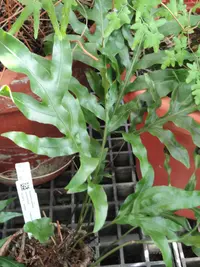
Secure creeping rhizomes

Gently pin the creeping rhizomes to the soil surface with U-shaped horticultural pins or bent plastic-coated wire so new fronds root evenly instead of lifting upward and drying out.

Bottom-watering rotation

Once or twice per month, water from the bottom by standing the pot in a tray of water for 10–15 minutes, then drain fully, which helps rehydrate dry peat-based mixes without compacting the crown.

Targeted pest checks

Inspect the undersides of fronds and the fuzzy rhizomes with a hand lens every 1–2 weeks, focusing on scale insects and spider mites, and rinse foliage in the sink at the first sign of pests before considering insecticidal soap.

Gentle airflow management

Place a small fan on a low setting several feet away to keep air slowly moving around, which helps prevent fungal spotting on the fronds while still maintaining the higher humidity levels needed for Hemionitis palmata care.

Common Pests and Diseases

Scale insects

This pest often nests along the thin, wiry stems and leaf bases, appearing as small brown or tan bumps that cause yellowing and decline of the delicate fronds.

Solution

Remove heavily infested fronds, then gently wipe stems and leaf bases with a cotton pad dipped in 70% isopropyl alcohol; repeat weekly until no new insects appear and maintain higher humidity and stable temperatures to keep the plant less stressed.

Spider mites

These insects thrive in the warm, dry air that Hemionitis palmata often experiences indoors, leading to stippled fronds, fine webbing, and gradual browning of the delicate leaf tissue.

Solution

Rinse fronds thoroughly with lukewarm water, then increase humidity to 60–70% and use repeated applications of insecticidal soap or horticultural oil on both sides of the fronds every 5–7 days until new growth appears clean.

Rhizoctonia leaf blight

This disease produces brown, irregular spots and patches on the thin fronds, especially where moisture lingers, which can quickly merge and cause sections of the frond to collapse.

Solution

Remove and discard affected fronds, improve air circulation around the plant, keep foliage dry, and if spread continues, use a fern-safe fungicide labeled for Rhizoctonia, applying according to starfern care instructions and allowing the soil surface to dry slightly between waterings.

Bacterial leaf spot

Symptoms include small, water-soaked translucent spots on fronds that may enlarge, turn dark, and sometimes develop a yellow halo, often starting on older leaves in very humid, stagnant conditions.

Solution

Isolate the plant, remove affected fronds with sterile tools, avoid overhead watering, increase airflow, and keep foliage dry; if new spots continue to appear, discard severely affected plants to prevent spread to nearby ferns.

Interesting Facts

Unusual palm-like fronds

This fern produces palm-shaped, lobed fronds that resemble tiny hand-shaped leaves rather than the finely divided fronds typical of many ferns, which is why it is commonly called hand fern or heart fern when young fronds are more rounded.

Hemiepiphytic growth habit

In nature, this species often grows as a hemiepiphyte, starting life anchored on mossy tree trunks or rocks and extending roots down into accumulating leaf litter, rather than only rooting deeply in soil.

Persistent creeping rhizomes

It spreads slowly by slender creeping rhizomes that stay close to the surface of the substrate, forming small, loose colonies rather than dense clumps, which helps it exploit thin organic layers on rocks and bark.

Botan icon

Did you know?

In its native Caribbean range, Hemionitis palmata frequently colonizes the bases of tree ferns and other moisture-retentive trunks in shaded, humid forests, creating distinctive vertical fern gardens where multiple individuals form small hanging colonies on a single host surface.

FAQs about starfern

Yellowing fronds usually result from excess moisture around the roots, low light, or natural aging of older leaves. Check for soggy soil, improve drainage, trim old fronds, and maintain stable indoor conditions to prevent further stress.

Grow Healthy Plants with Botan Care

Keep your plants happy and healthy with plant identification, disease detection, and easy care guidance.

Botan plant care app — identify plants on mobile

Explore More Plants