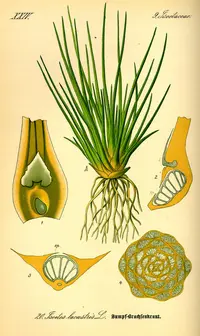
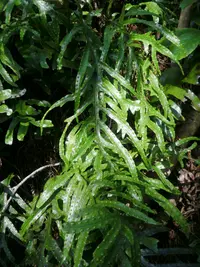
Swiss Spikemoss Care (Selaginella helvetica)

Also known as: Swiss Clubmoss
Swiss Spikemoss

About Swiss Spikemoss

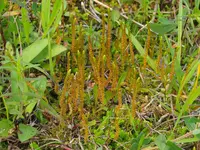
Swiss spikemoss (Selaginella helvetica) is a small, ancient spore-bearing plant related to mosses and ferns. It forms low, dense mats of finely divided, scale-like foliage. In nature, it occurs in rocky, often mountainous areas of central and southern Europe, typically in cool, moist, and shaded microhabitats. The plant creeps slowly, rooting at the nodes, and can create a soft, mossy carpet over time.

This species prefers consistent moisture, good air circulation, and a loose, humus-rich substrate. It can be sensitive to drying out or very low humidity, which makes stable indoor conditions important. Understanding how to care for Swiss Spikemoss mainly involves keeping its environment evenly moist and protected from harsh light and heat.

Main Plant Requirements

Care Difficulty

Hard Care

Light Preference

Partial Shade

Water Requirements

Keep Soil Moist

Temperature Preference

Cool Climate

Hardiness Zone

5–8

Soil Texture

Loamy, Peaty, Organic-rich

Soil pH

Strongly acidic (4.5–5.5), Acidic (5.5–6.5)

Soil Drainage

Moist but well-drained

Fertilization

Minimal (feed rarely)

Get Personalized Care Plan

Scan your plant to receive care tips personalized for your specific plant

Available on iOS and Android

How to Care for the Swiss Spikemoss

This species prefers soft, indirect light that mimics a forest floor environment.

  • Provide bright, filtered light or light dappled shade, with no more than 1–2 hours of gentle morning sun and zero direct midday or afternoon sun.
  • Site Swiss Spikemoss in partial to full shade outdoors; aim for 6–10 hours of indirect light, such as under shrubs, trees, or shade cloth.
  • Watch foliage color and texture: pale, crispy tips indicate too much sun, while lanky, stretched growth signals insufficient light, especially in winter.

This plant requires consistently moist conditions without prolonged waterlogging.

  • Keep soil evenly moist, not soggy; the surface should feel slightly damp and never dry deeper than 1–2 cm before watering again.
  • In active growth, increase checks during warm, windy periods; in cooler seasons, allow the surface to approach just moist before adding water.
  • Selaginella helvetica reacts quickly to water stress: curling, dull fronds suggest underwatering, while blackened stems, sour odor, or algae on soil indicate excess moisture and poor drainage.

This species grows best in cool to mild conditions with protection from extremes.

  • Aim for 55–70°F (13–21°C) for steady growth, avoiding rapid swings of more than 10°F (6°C) within a day.
  • It tolerates brief dips to about 35–40°F (2–4°C) but is sensitive to hard frost; sustained freezing damages fronds and stems.
  • In summer, growth slows above 80°F (27°C); provide shade, mulch, and higher humidity to reduce heat stress and prevent desiccation.

This species needs very high, consistently moist air to stay dense and green.

  • Target 70–90% humidity; growth slows and fronds brown at lower levels.
  • Dry indoor air below 50% causes crisped tips, curling foliage, and stalled spread in Swiss Spikemoss.
  • Increase humidity with pebble trays under the pot, grouped plants, or a nearby cool-mist humidifier, not by overwatering the soil.

Selaginella helvetica prefers a soft, moisture-retentive yet airy mix that never becomes waterlogged.

  • Use a fine-textured mix of 50–60% peat or coco coir, 20–30% compost, and 20–30% perlite to combine moisture retention with aeration.
  • Aim for slightly acidic to neutral pH around 5.5–6.8, avoiding strongly alkaline mixes that can restrict nutrient uptake.
  • Ensure rapid drainage by using a shallow pot with many holes and keeping the mix loose, not compacted.
  • Avoid heavy garden soil, pure sand, or clay-like media that either stay soggy or dry rock-hard between waterings.

This low, spreading species is suitable for shallow containers and dish gardens.

  • Choose a broad, shallow pot that matches its creeping habit so stems can root along the surface without deep, unused soil staying wet.
  • Select plastic or glazed ceramic if slower drying is needed, or unglazed terra-cotta if the mix tends to stay wet too long.
  • Elevate the pot on feet or a stand so drainage holes stay clear and excess water escapes quickly after watering.

Selaginella helvetica has modest nutrient needs but responds to light, consistent feeding in active growth.

  • Use a diluted balanced liquid fertilizer (around 10-10-10 NPK) at 1/4–1/2 strength for Swiss Spikemoss in spring–summer.
  • Apply every 4–6 weeks during active growth if the plant is in a container with soilless or low-nutrient mix.
  • Skip feeding in late fall and winter when growth slows, especially in cooler indoor conditions.
  • Rinse the substrate with plain water every 2–3 feedings to reduce salt buildup around sensitive roots.

Selaginella helvetica benefits from light, maintenance pruning to keep mats dense and tidy.

  • Best time for pruning is in spring or early summer when growth is active and recovery is quick.
  • Pinch or trim back yellowing, dead, or damaged fronds with clean scissors to limit disease spread.
  • Lightly shorten overlong or uneven shoots to maintain a compact, low cushion without exposing bare patches.
  • Avoid cutting into the oldest, woody-looking stem bases, as these sections regrow more slowly.

Container-grown Selaginella helvetica prefers infrequent but careful repotting to avoid root disturbance.

  • Check for roots circling the pot, water running straight through, or slowed growth as signs a larger container is needed.
  • Plan repotting for early spring, every 2–3 years, moving only 1 pot size up with a shallow, wide container.
  • Lift the plant gently, keeping the root ball intact, and backfill with a moisture-retentive, well-drained mix.
  • Water thoroughly after repotting, then keep the plant in bright, indirect light and slightly higher humidity for 1–2 weeks.

New plants of Selaginella helvetica are most often produced by division or short stem cuttings.

  • Divide dense clumps in spring, keeping each division with healthy fronds and an intact root section.
  • Take 3–5 cm stem pieces with several nodes, and lay or insert them horizontally on moist, fine-textured mix.
  • Maintain high humidity (60–80%) and bright, indirect light to support rooting and reduce frond desiccation.
  • Keep the substrate consistently moist but not waterlogged; roots usually form over several weeks under stable warmth.

Selaginella helvetica is relatively cold hardy in the ground and often needs minimal winter attention in suitable climates.

  • In regions with sustained freezes, apply a 3–5 cm mulch layer around outdoor clumps to insulate the root zone.
  • Leave foliage in place over winter where possible, since it helps shield crowns from temperature fluctuations.
  • Move container plants into a cool, frost-free area, keeping them above about 35–40°F with steady moisture.

Care Tips

Use wide trays

Grow mats in a wide, shallow container or tray so the creeping stems can spread horizontally, then trim or redirect overhanging edges back onto the surface to keep an even, dense carpet.

Create cool microclimate

Place the pot inside a larger cachepot with damp sphagnum or perlite packed between the walls to buffer roots from temperature spikes and drying indoor air.

Avoid salt buildup

Every 4–6 weeks, water generously so that at least 20–30% of the water drains out, which helps flush accumulated salts that can burn delicate root tips.

Gentle handling routine

Handle the plant by the pot, not the foliage, and slide tools or fingers under the mat when dividing so the fragile stems and rhizomes are not torn.

Quarantine and scout

Quarantine new plants for 2–3 weeks and inspect the fine foliage with a hand lens every few days so spider mites or fungus gnats are detected and treated early when caring for Swiss Spikemoss.

Common Pests and Diseases

Rhizoctonia stem rot

This disease causes brown, sunken lesions at the stem base where shoots meet the substrate, often followed by rapid collapse of delicate mats. Symptoms include thinning patches, yellowing tips, and a musty odor in persistently wet, poorly aerated mixes.

Solution

Remove and discard affected clumps, then trim back to healthy green tissue. Repot into a fresh, fine, well‑draining but moisture‑retentive mix, reduce waterlogging by using a shallow pot with many drainage holes, and increase airflow around the foliage; in severe cases, use a labeled biological fungicide drench and keep the surface only evenly moist, not saturated, while the plant recovers.

Pythium damping-off

This disease primarily affects new divisions and young growth kept in saturated conditions, causing sudden wilting, blackened stems at soil level, and failure of new segments to root. Symptoms include soft, water-soaked tissue and rapid dieback starting from the base.

Solution

Discard severely affected plugs or divisions and propagate only from firm, healthy tips. Switch to sterile, fine-textured media, water from below or at the side to keep stems from sitting in water, provide bright indirect light and steady warmth, and if needed apply a labeled anti‑oomycete drench while avoiding prolonged saturation; this is a key point in Selaginella helvetica care instructions for propagation trays.

Fungus gnat larvae

These insects lay eggs in constantly wet media, and the larvae feed on tender roots and stem bases, which stresses the plant and encourages rot pathogens. Symptoms include slow growth, yellowing patches, and tiny black adult gnats flying up when the pot is moved.

Solution

Allow the top 0.5–1 cm of the substrate to dry slightly between waterings while keeping deeper layers evenly moist, and improve drainage so water does not pool. Use yellow sticky traps to catch adults, drench the substrate with a biological control such as Bacillus thuringiensis israelensis (Bti) or beneficial nematodes, and remove any decaying plant matter from the pot surface.

Spider mites

These pests thrive when humidity drops, leading to pale, stippled fronds, fine webbing in dense mats, and overall loss of the plant’s fresh green color. This pest can cause gradual thinning and drying of the foliage, especially at the edges of the clump.

Solution

Increase humidity to 60–80% without waterlogging the soil and gently rinse foliage under lukewarm water to remove mites and webbing. Follow with repeated applications of insecticidal soap or a light horticultural oil spray directed mainly at stems and undersides of fronds, applied every 5–7 days until no new damage appears.

Botrytis gray mold

This disease appears in overly crowded, humid setups with poor air movement, causing soft, brown patches on fronds that develop fuzzy gray mold, especially where plant material stays wet. Symptoms include localized dieback, slimy tissue, and moldy debris trapped in the mat.

Solution

Promptly cut out and discard all infected and fallen material using clean tools, and thin overly dense sections to improve air circulation. Reduce overhead misting directly on the foliage, ventilate terrariums or enclosed cases, water early in the day so surfaces dry faster, and if needed apply a low‑toxicity fungicide labeled for gray mold while keeping conditions slightly drier at the leaf surface but still evenly moist in the root zone.

Interesting Facts

Alpine limestone specialist

This species is naturally restricted to montane and alpine limestone habitats in central Europe, where it grows in moist rock crevices, shaded ledges, and north-facing cliffs from roughly the colline to subalpine belts.

Distinctive leaf dentation

Under magnification, its lateral leaves show a characteristic toothed (denticulate) margin and a short, often hyaline tip, which help distinguish it from visually similar European Selaginella species.

Relict from ancient lineages

As a lycophyte, it belongs to one of the most ancient lineages of vascular plants, and genetic and morphological studies indicate that this species retains many primitive structural traits compared with more derived ferns and seed plants.

FAQs about Swiss Spikemoss

This species spreads by creeping stems that root at the nodes, forming a dense mat over time. It is usually slow to moderate, not aggressive, and is easy to contain with edging or occasional trimming in gardens or containers.

Grow Healthy Plants with Botan Care

Keep your plants happy and healthy with plant identification, disease detection, and easy care guidance.

Botan plant care app — identify plants on mobile

Explore More Plants