Elatine alsinastrum Care

Elatine alsinastrum

About Elatine alsinastrum

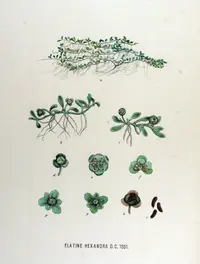
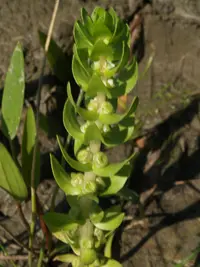
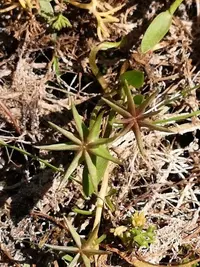
Elatine alsinastrum is a small, creeping aquatic plant often used in freshwater aquariums and specialized ponds. It forms low, dense mats of tiny green leaves close to the substrate.

In nature it grows in shallow, clean waters and periodically flooded shorelines across parts of Europe and western Asia. Its compact growth and fine texture make it attractive for foreground planting in aquascapes.

The plant prefers stable water conditions, good light, and consistently moist, nutrient-rich substrates. With suitable water quality and lighting, it is moderately easy to care for Elatine alsinastrum, but it can decline quickly if conditions fluctuate.

Main Plant Requirements

Care Difficulty

Hard Care

Light Preference

Partial Sun

Water Requirements

Aquatic

Temperature Preference

Cool Climate

Hardiness Zone

5–8

Soil Texture

Sandy, Loamy, Silty

Soil pH

Slightly acidic (6.5–7.0), Neutral (7.0)

Soil Drainage

Waterlogged tolerant

Fertilization

Light (every 4–6 weeks)

Get Personalized Care Plan

Scan your plant to receive care tips personalized for your specific plant

Available on iOS and Android

How to Care for the Elatine alsinastrum

This small aquatic species needs bright, gentle light to form dense, low carpets.

  • Provide 8–10 hours of bright conditions daily, with morning sun and light midday shade along shallow pond edges or in unshaded aquariums.
  • Outdoors, use full sun in cool climates but give partial shade in hot regions to prevent leaf bleaching and algae overgrowth on Elatine alsinastrum.
  • If stems elongate and leaves thin or lose color, increase light intensity or duration gradually over 7–10 days.

This aquatic plant requires consistently saturated conditions rather than traditional soil watering.

  • Maintain water levels so the substrate stays fully submerged or at least constantly saturated; do not let the top layer dry and crack.
  • Use fine-grained, nutrient-rich substrate with gentle water movement; avoid strong currents that uproot plants or stir substrate excessively.
  • Signs of stress include yellowing, melting leaves from stagnant, foul-smelling water or stunted, brittle growth if the water layer is too shallow.

Stable, mild temperatures support dense, healthy growth for this aquatic foreground plant.

  • Aim for 68–77°F (20–25°C) for best growth; short periods up to 80°F (27°C) are usually tolerated if lighting and nutrients are balanced.
  • Avoid temperatures below 50°F (10°C); prolonged exposure near this level slows growth markedly and can cause dieback in Elatine alsinastrum mats.
  • Protect from frost and rapid temperature swings; in outdoor ponds, growth slows in cool seasons and rebounds as water warms in late spring.

This submerged aquatic species does not have specific air-humidity requirements for healthy growth.

Elatine alsinastrum roots best in fine, nutrient-rich aquatic substrate with stable underwater conditions.

  • Use a fine-grained sand or sandy loam mixed with nutrient-rich aquatic plant substrate to anchor the delicate roots.
  • Aim for slightly acidic to neutral conditions (pH 6.0–7.2) to support nutrient availability and stable growth.
  • Keep the substrate shallow and even, about 2–4 cm deep, so shoots can spread and light can reach low foliage.
  • Avoid coarse gravel, strongly calcareous substrates, or compacted anaerobic layers that trap gas and restrict root development.

This small creeping aquatic plant is suitable for shallow containers or aquaria.

  • Select a wide, low container to maximize horizontal spread and allow even light penetration to the carpet-forming shoots.
  • Provide a stable, undisturbed substrate layer so the fine roots are not dislodged by filter outflow or water movement.
  • Use containers with dark sides or background to reduce light reflection and encourage denser foreground coverage.

This aquatic species benefits from light, controlled feeding in nutrient-poor setups.

  • Use a balanced liquid NPK aquarium fertilizer at 1/4–1/2 strength, tailored for delicate foreground plants.
  • Dose during active growth 1–2 times per week, guided by plant response and algae presence.
  • Reduce or stop dosing in low-light, low-growth winter conditions to avoid nutrient buildup.
  • For advanced growing Elatine alsinastrum, supplement with a mild root tab if substrate is very inert.

Pruning helps keep Elatine alsinastrum low, dense, and healthy in aquascapes.

  • Trim during active growth, usually spring through early fall, when recovery is quickest.
  • Use sharp aquascaping scissors to clip taller stems just above a healthy leaf node.
  • Remove yellowing, melting, or shading stems to improve light penetration and water flow.
  • Frequent light trimming encourages a compact carpet rather than tall, leggy shoots.

This plant is usually grown as an aquarium carpet and is handled by replanting rather than classic repotting.

  • Transplant when growth becomes patchy or when stems lift from the substrate and fail to root well.
  • Best timing is during stable tank conditions in spring or early summer, when growth is strongest.
  • Typical frequency is every 6–12 months, often combined with rescape or substrate refresh.
  • Gently lift small clumps, trim damaged roots, and replant shallowly in fine-grain substrate to limit stress.

Elatine alsinastrum is commonly multiplied by vegetative division in aquariums.

  • Take small, healthy stem mats during active growth in spring–summer for best establishment.
  • Gently separate the mat into small plugs, each with several rooted nodes.
  • Replant plugs 1–2 cm apart in fine substrate under stable, moderate light and CO2 if available.
  • Maintain gentle water flow and consistent nutrients to support rapid rooting and lateral spread.

In heated indoor aquariums, this aquatic plant needs minimal specific winter care.

  • Maintain stable water temperatures, typically 68–75°F, avoiding sudden cold drafts near the tank.
  • If light intensity drops in winter, reduce fertilization and CO2 to match slower growth.
  • For outdoor tubs in mild climates, move stock indoors before water temperatures approach freezing.

Care Tips

Dense carpet planning

Plant very small plugs close together and trim the tops lightly once established to encourage lateral runners and create an even, low carpet rather than tall, patchy clumps when growing Elatine alsinastrum.

Flow-optimized placement

Position plants in areas of gentle, laminar water flow rather than dead spots or strong currents so that nutrients continuously reach leaves without uprooting the shallow root system.

Substrate maintenance

Vacuum the substrate surface lightly with a fine gravel siphon during water changes to remove trapped debris without disturbing the delicate root network or dislodging plants.

Algae pressure control

Use a fast-growing background stem plant and maintain a stable CO2 and nutrient routine so that excess nutrients are taken up by competitors, reducing algae growth on the small leaves.

Regular stand rejuvenation

Every few months, thin the oldest, shaded portions of the carpet and replant fresh, healthy tips into any gaps to keep the stand dense, well-lit, and less prone to decay at the base.

Common Pests and Diseases

Algal overgrowth

Symptoms include bright green, slimy films or tufts covering substrate, plant mats, and sometimes leaves, often in nutrient-rich, high-light aquaria. This problem competes with Elatine alsinastrum for light and nutrients and can physically smother young shoots.

Solution

Reduce light intensity or duration to about 6–8 hours, lower excess nutrients by moderating fertilization and feeding, and increase water changes (25–50% weekly) to export dissolved waste. Manually siphon or brush off algae from the substrate and plant carpet, and improve CO2 stability and flow to favor healthy plant growth over algae, which is central to effective Elatine alsinastrum care instructions.

Cyanobacteria (blue‑green slime)

This disease appears as dark green, blue-green, or reddish slimy sheets that peel off in layers and often produce a strong earthy odor. It usually starts in low-flow zones of the Elatine carpet and can quickly cover the substrate and stems.

Solution

Increase water circulation across the carpet, remove as much cyanobacteria as possible by siphoning sheets during water changes, and reduce excess organic waste by adjusting feeding and cleaning the filter. In persistent cases, a targeted aquarium-safe antibiotic treatment or a 3–4 day blackout, combined with large water changes, is commonly used under careful monitoring of fish and invertebrate health.

Aquatic snail grazing

These insects are not involved; instead small freshwater snails such as pond or ramshorn snails feed on tender new leaves, causing ragged edges and slow thinning of the carpet. This issue is more pronounced when snail populations boom due to heavy feeding and decaying organic matter.

Solution

Manually remove visible snails, use baited traps at lights-off, and reduce overfeeding to limit population growth. If necessary, introduce natural predators compatible with the tank (such as certain snail-eating fish) or use an invertebrate-safe, aquarium-formulated snail control product while monitoring other tank inhabitants closely.

Detritus smothering

Symptoms include pale, yellowing, or dying tips where fine debris, mulm, and fish waste settle between the tiny stems, blocking light and restricting water movement. This problem often appears in low-flow tanks with heavy feeding or infrequent substrate cleaning.

Solution

Increase gentle water movement over the substrate, and perform regular gravel vacuuming with a narrow siphon to remove debris between the stems without uprooting the carpet. Reduce fish load or feeding if waste is excessive, and trim old or weakened patches to encourage compact new growth with better access to light and flow.

Interesting Facts

Vanishing European species

This aquatic annual has disappeared from most of its historical range in central and western Europe and is now considered extinct or critically endangered in many countries due to habitat loss and water regulation.

Specialist of muddy shallows

The species is adapted to very specific shallow-water habitats, typically colonizing exposed muddy lake and pond margins that are seasonally flooded and then fall dry, which makes its populations highly sensitive to water-level changes.

Seed bank strategist

The plant relies on a long-lived soil seed bank, with tiny seeds that can remain dormant in wet sediments for many years and germinate only when water levels and light conditions in the drawdown zone become favorable for growing Elatine alsinastrum.

Botan icon

Did you know?

This species is legally protected in several European countries and is listed in Annex II of the EU Habitats Directive, which means its remaining natural sites are of community-level conservation importance and require strict habitat management to prevent its complete regional extinction.

FAQs about Elatine alsinastrum

This species forms a low, creeping mat and can spread relatively fast under good light and nutrients, but it is shallow-rooted and easy to control by trimming and lifting sections. It is not typically considered aggressively invasive in managed tanks.

Grow Healthy Plants with Botan Care

Keep your plants happy and healthy with plant identification, disease detection, and easy care guidance.

Botan plant care app — identify plants on mobile

Explore More Plants