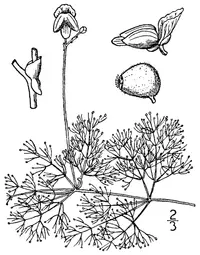
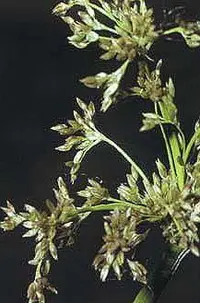
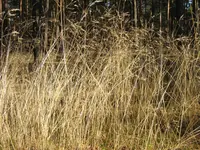
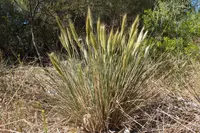
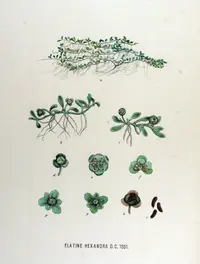
elegant spikerush Care (Eleocharis elegans)

elegant spikerush

About elegant spikerush

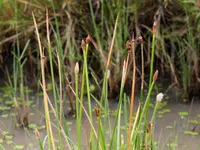
Elegant spikerush, Eleocharis elegans, is a small, fine-textured sedge-like plant typically found in shallow water or very wet soil. It forms dense clumps of slender, upright green stems with tiny, unobtrusive flower spikes at the tips.

This species occurs naturally in marshes, ponds, slow streams, and other wet habitats in warm regions. It is often used in water gardens, naturalistic ponds, and paludariums where constant moisture is available.

The plant is generally easy to maintain if its need for saturated or standing water is met. Gardeners who understand how to care for elegant spikerush focus mainly on stable moisture, soft light, and nutrient-rich, mucky or aquatic substrates.

Main Plant Requirements

Care Difficulty

Moderate Care

Light Preference

Full Sun

Water Requirements

Aquatic

Temperature Preference

Tropical / Frost Sensitive

Hardiness Zone

10–12

Soil Texture

Sandy, Loamy, Organic-rich

Soil pH

Acidic (5.5–6.5), Slightly acidic (6.5–7.0)

Soil Drainage

Waterlogged tolerant

Fertilization

Minimal (feed rarely)

Get Personalized Care Plan

Scan your plant to receive care tips personalized for your specific plant

Available on iOS and Android

How to Care for the elegant spikerush

This wetland sedge prefers abundant light but tolerates some shade depending on climate and water depth.

  • Provide 6–8 hours of sun in cool to mild climates; in hot summer regions, aim for 4–6 hours of morning sun plus bright, filtered light in the afternoon.
  • Plant elegant spikerush in open exposures near ponds or water features; it tolerates light shade but becomes thinner and taller with less than 4 hours of direct sun.
  • Watch for pale, weak stems in low light and scorched, brown tips under intense, all-day summer sun; adjust position seasonally if needed.

This species is adapted to shallow water and saturated soils rather than periodically dry conditions.

  • Maintain soil that is constantly saturated; in ponds or bog gardens, keep crowns in 2–10 cm of water, ensuring the base never dries out.
  • For soil-based plantings, the surface should feel wet or glossy; if the top 1–2 cm start to look dull or crack, increase watering or water level.
  • Signs of underwatering include limp, browning stems from the tips downward, while stagnant smell, slimy bases, or rotting culms suggest poor drainage and chronic waterlogging without enough oxygen.

This warm-temperate to subtropical sedge grows best in mild conditions and dislikes hard frost.

  • Aim for active growth in 65–80°F (18–27°C); growth slows noticeably below about 60°F (16°C) but established clumps may persist.
  • Protect Eleocharis elegans from frost; foliage is often damaged near 32°F (0°C), and repeated freezes below 28°F (−2°C) can kill or severely thin plantings.
  • In hot summers above 90°F (32°C), ensure constant water coverage and, if possible, some afternoon shade to prevent stress and browning tips.

This wetland species needs consistently high humidity to thrive in cultivation.

  • Aim for 70–100% humidity, mimicking marshy edges where elegant spikerush naturally grows.
  • Reduced humidity causes browning tips, slowed spread, and thinner clumps, especially in heated or air-conditioned spaces.
  • Increase humidity by standing pots in trays of water, grouping plants tightly, or using shallow water features around containers.

This species prefers saturated, fine-textured substrates that mimic shallow-water or bog conditions.

  • Use a heavy, organic-rich mix such as 2 parts loam, 1 part garden soil, and 1–2 parts compost to hold moisture and nutrients.
  • Keep drainage minimal so the mix stays constantly wet or shallowly flooded, as Eleocharis elegans tolerates waterlogging better than drying out.
  • Aim for mildly acidic to neutral pH around 6.0–7.0, avoiding strongly alkaline mixes that can limit nutrient uptake.
  • Avoid coarse, very sandy, or peat-only mixes that drain quickly; add extra loam or clay subsoil if the planting medium dries too fast.

This species is suitable for container growing, especially in water gardens and bog-style planters.

  • Choose a broad, shallow container to allow rhizomes to spread horizontally while keeping water depth easy to manage.
  • Use solid-sided pots without extra drainage holes when placing inside a larger water feature to maintain constant saturation.
  • Select heavier materials such as ceramic or stone to keep the container stable and prevent tipping as dense clumps develop.

This wetland sedge benefits from light, controlled feeding during its main growth period.

  • Use a balanced liquid fertilizer (for example 10-10-10) at 1/4–1/2 strength for caring for elegant spikerush in containers or nutrient-poor sites.
  • Feed every 4–6 weeks in spring and summer only, when growth is active.
  • Avoid fertilizing in fall and winter, as plants slow down and excess nutrients can cause weak, floppy shoots.
  • In nutrient-rich ponds or bogs, skip extra fertilizer to prevent algae growth and overly lush, unstable foliage.

Pruning Eleocharis elegans is simple and mainly focuses on tidiness and plant health.

  • Best timing is late winter or early spring before strong new growth starts.
  • Use clean scissors or shears to remove dead, yellow, or mechanically damaged stems at the base.
  • Thin congested clumps by cutting out a portion of crowded stems to improve air flow and light penetration.
  • Avoid cutting all stems to the ground at once; leave healthy green growth to maintain energy reserves.

This species is often grown in shallow water or boggy soil, so management focuses on dividing and resetting dense clumps.

  • Plan transplanting or pot resetting in early spring when new growth just starts, to give Eleocharis elegans a full season to reestablish.
  • Look for signs such as roots filling baskets, mats lifting from the substrate, or declining vigor as cues to divide and move clumps.
  • Split the root mass into sections using a serrated knife or hands, keeping firm root–rhizome portions with several healthy shoots.
  • Replant divisions at the same depth in fresh, low-salt, loamy aquatic soil and keep consistently wet to reduce stress and shock.

This species is most commonly propagated by division of established clumps rather than by seed.

  • Carry out division in spring, when water temperatures rise and new shoots emerge.
  • Lift a section of the clump and separate it into smaller pieces, each with healthy roots and several stems.
  • Plant divisions into shallow water or saturated soil, pressing roots firmly into the substrate.
  • Maintain stable moisture and gentle water movement, avoiding disturbance until new growth is clearly visible.

In mild climates this species needs little winter care, but protection is useful in colder regions.

  • Eleocharis elegans is not fully frost hardy; growth may burn or die back in prolonged freezes.
  • In the ground, add a 5–8 cm layer of mulch around the root zone in late fall, keeping crowns just exposed.
  • For container plants in cold areas, sink pots into the ground, move them to a frost-free space, or overwinter in an unheated but nonfreezing garage.

Care Tips

Aquatic pot choice

Use low, wide aquatic baskets lined with fine mesh so roots can spread while the substrate stays in place, which stabilizes the plant in shallow water margins or containers.

Water depth control

Maintain a consistent shallow water level, ideally with the crown just at or slightly below the water surface, and use bricks or upside-down pots as risers so you can adjust depth quickly if stems yellow or weaken.

Substrate layering

Create a heavy base of washed sand or fine gravel topped with a thin layer of aquatic soil to anchor the fine roots while limiting nutrient-rich surface material that can encourage algae.

Clump management

Lift and divide dense clumps every 1–2 years by gently tearing or cutting sections with intact roots, then replant smaller divisions to keep stands vigorous and prevent dieback in the center.

Algae and weed suppression

Manual removal of filamentous algae and competing rushes or grasses around the planting zone helps maintain good light and water movement, which is important when caring for elegant spikerush in small ponds or tubs.

Common Pests and Diseases

Algal overgrowth

Symptoms include slimy green films on stems, substrate, or water surface, often in tanks with high light and excess nutrients. This condition competes with the plant for light and can smother new shoots.

Solution

Reduce light intensity or duration to 6–8 hours, increase water changes, and manually siphon or wipe away algae from stems and substrate. Improve filtration and avoid overfertilizing; in aquaria, add fast-growing plants or algae-eating animals to balance nutrients while monitoring that they do not uproot the spikerush.

Cyanobacteria (blue-green slime)

This disease appears as a dark, slimy mat that spreads over substrate and plant bases, often in stagnant or nutrient-imbalanced water. This pest can quickly cover young culms and reduce growth.

Solution

Increase water circulation and perform frequent partial water changes while physically removing as much of the slime as possible. Reduce excess nutrients by cutting back on feeding or fertilizer, and in aquaria consider a blackout period of 3–4 days to suppress cyanobacteria while maintaining good oxygenation.

Stem and crown rot

This disease causes browning, softening, and collapse of the lower stems and crown, most often in poorly oxygenated, foul-smelling substrate. Symptoms include yellowing followed by disintegration of clumps from the base upward.

Solution

Improve substrate oxygenation by reducing organic sludge, thinning dense plantings, and increasing water movement around the base. Remove and discard affected clumps, replant only firm, healthy sections into cleaner substrate, and avoid deep burial of crowns to prevent future episodes as part of general Eleocharis elegans care.

Aquatic snails

These insects are actually small aquatic invertebrates that may chew on tender new shoots and uproot fine roots while grazing. Damage appears as ragged shoot tips and disturbed substrate around the clumps.

Solution

Manually remove snails, egg clusters, and heavily grazed plant material during regular maintenance. Limit overfeeding of fish to reduce snail population growth, and if needed introduce snail traps or carefully chosen snail-eating fish while ensuring tank mates are compatible with caring for elegant spikerush in the same setup.

Aquatic aphids

This pest forms small colonies on emergent shoots and leaf bases above the waterline, sucking plant sap. These insects cause distorted growth, yellow patches, and sticky honeydew deposits on surrounding surfaces.

Solution

Rinse emergent foliage under a gentle stream of water or submerge affected shoots for several hours to dislodge aphids. For persistent infestations in outdoor tubs or ponds, prune heavily infested stems and use a mild insecticidal soap spray on emergent parts only, keeping the product out of the main water body to protect aquatic animals.

Interesting Facts

Amphibious growth habit

This species naturally colonizes shallow freshwater margins and can grow both submerged and emersed, allowing it to persist through fluctuating water levels in streams, ponds, and marsh edges.

Neotropical distribution

It is native to warm regions of the Americas, especially Central and South America, where it occupies sunny, lowland wet habitats rather than temperate or cold climates.

Fine, tufted culms

Instead of true leaves, it forms dense tufts of slender, leafless culms (photosynthetic stems) that give a soft, hair-like texture useful for foreground planting in aquascaping.

FAQs about elegant spikerush

This species spreads by short rhizomes and forms dense clumps rather than long-distance runners. It can slowly enlarge into a mat in shallow water or wet soil but is usually manageable with occasional division and edging.

Grow Healthy Plants with Botan Care

Keep your plants happy and healthy with plant identification, disease detection, and easy care guidance.

Botan plant care app — identify plants on mobile

Explore More Plants