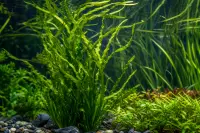
Shallow Water Setup
Use a wide, shallow container or tray so the rhizomes and lower stems sit in 5–10 cm of standing water, which keeps growth upright and reduces rotting of buried stem sections.

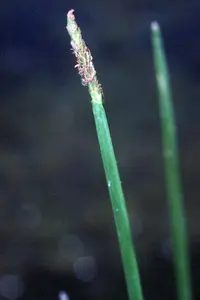
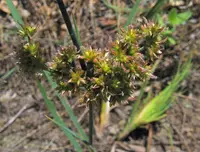
Squarestem spikerush, Eleocharis quadrangulata, is an aquatic or semi-aquatic sedge typically found in shallow ponds, marsh edges, and slow-moving waterways. It forms dense clumps of upright, sharply four-angled stems with minimal leaves, creating a clean, vertical texture in water gardens or naturalistic plantings.
This species is native to North America and often grows in full sun along open shorelines and wetland margins. Its strong preference for consistently wet or submerged substrates makes it best suited to ponds, rain gardens, and water features rather than dry garden beds.
Gardeners who want to care for squarestem spikerush should focus on stable moisture, low competition from taller plants, and nutrient-rich, mucky or sandy soil in and around shallow water.

Care Difficulty
Moderate Care

Light Preference
Full Sun

Water Requirements
Aquatic

Temperature Preference
Cool Climate

Hardiness Zone
5–9

Soil Texture
Loamy, Silty, Organic-rich

Soil pH
Acidic (5.5–6.5), Slightly acidic (6.5–7.0)

Soil Drainage
Waterlogged tolerant

Fertilization
Minimal (feed rarely)
Scan your plant to receive care tips personalized for your specific plant
Available on iOS and Android
This wetland sedge needs abundant light to grow dense, upright stems.
This species is adapted to saturated soils and shallow standing water rather than intermittent drying.
This aquatic plant prefers mild to warm conditions but tolerates a range of outdoor temperatures.
This wetland sedge needs constantly very high humidity close to saturation.
This species prefers permanently waterlogged, organic, fine-textured substrate rather than typical potting soil.
This species is suitable for container growing when the container is managed as a mini-bog or shallow aquatic pot.
This wetland sedge needs modest feeding, as nutrient-rich water and soil usually support healthy growth.
Pruning needs for Eleocharis quadrangulata are simple and mainly focused on hygiene and controlling spread.
This aquatic rush is more often transplanted in ponds or bogs than repotted like a typical houseplant.
This species is most reliably propagated by division rather than by seed in garden or pond settings.
In much of its range this aquatic plant is hardy and usually survives normal winter conditions without elaborate protection.

Plant Health Check
Not sure what's wrong with your plant? Check your plant's health inside the app.
This sedge has distinctly four-angled, almost square stems rather than the typical triangular or round stems seen in many other sedges, which is reflected in the name squarestem spikerush.
Squarestem spikerush naturally occurs in shallow, often still or slow-moving freshwater such as ponds, lakeshores, sloughs, and ditches, where it can form dense colonies rooted in saturated or submerged soils.
Its seeds can remain dormant in wetland soils and germinate when water levels and light conditions become favorable, helping the species reappear after periods of habitat disturbance or drying.

Squarestem spikerush is sometimes used in wetland restoration and shoreline stabilization projects because its dense, fibrous root and rhizome network helps bind soft substrates and reduce erosion in shallow-water zones.
This species spreads by rhizomes and can form dense clumps, especially in shallow water or consistently wet soil. It is not usually invasive in managed plantings, but edging, containers, or periodic thinning help control its spread.
Keep your plants happy and healthy with plant identification, disease detection, and easy care guidance.