Water Table Management
If planted at a pond edge or in a bog garden, set pots on bricks so the crown sits just above the water line, then adjust the height seasonally to keep roots saturated without submerging the growing point.

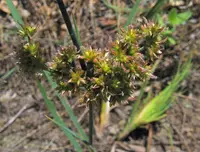
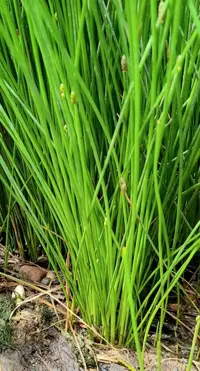
Irisleaf rush, Juncus xiphioides, is a clumping wetland perennial native to western North America. It grows in marshes, stream edges, and other consistently moist sites.
The plant forms upright, slender green stems with narrow, iris-like leaf bases and loose clusters of brownish flowers near the stem tips. It has a tidy, vertical habit that works well in water gardens and naturalistic plantings.
This species handles seasonal flooding and poorly drained soils but declines if kept dry for long periods. It prefers full sun to light shade and cool to mild climates.
Gardeners who learn how to care for irisleaf rush usually find it reliable, provided soil moisture stays steady and competition from more aggressive plants is limited.

Care Difficulty
Moderate Care

Light Preference
Full Sun

Water Requirements
Aquatic

Temperature Preference
Cold Hardy

Hardiness Zone
4–9

Soil Texture
Sandy, Loamy, Clay

Soil pH
Slightly acidic (6.5–7.0), Neutral (7.0)

Soil Drainage
Waterlogged tolerant

Fertilization
Minimal (feed rarely)
Scan your plant to receive care tips personalized for your specific plant
Available on iOS and Android
This wetland rush thrives in full sun but tolerates some light shade, especially in hotter regions.
This rush naturally grows along streams and pond margins, so it expects consistently wet conditions.
This species is hardy and tolerates a broad temperature range when its roots stay moist.
This wetland rush needs consistently high humidity and moist air to thrive.
This species prefers saturated, oxygen-poor substrates similar to natural stream banks and marsh edges.
This rush is suitable for containers if the setup maintains constant saturation without drying cycles.
This wetland rush benefits from modest feeding in containers or nutrient-poor sites, but heavy fertilization is unnecessary.
Light, periodic pruning keeps Juncus xiphioides tidy and maintains healthy, dense clumps.
This rush is more often transplanted in the landscape or pond margins than repotted indoors.
Division is the most practical method for propagating Juncus xiphioides for home gardeners.
This species is generally cold hardy in suitable climates and needs only modest winter attention outdoors.

Plant Health Check
Not sure what's wrong with your plant? Check your plant's health inside the app.
The common name irisleaf rush comes from its narrow basal leaves and upright flower stems that resemble some wild iris species, even though it is not closely related to true irises.
This rush is naturally restricted to wet habitats such as stream margins, marsh edges, and seeps in western North America, where its dense root system helps stabilize saturated soils and reduce erosion.
Its clumps provide shelter for amphibians and aquatic invertebrates, and the small seeds are eaten by waterfowl and other wetland birds, making it an important structural and food resource in riparian plant communities.

Irisleaf rush shows notable tolerance to seasonal flooding and brief periods of low oxygen in the root zone, an adaptation that allows it to persist in dynamic streamside habitats where water levels and flow can change rapidly.
Leaf browning usually comes from water quality, not just moisture. Hard or salty water, fertilizer buildup, or stagnant, low-oxygen conditions can scorch tips. Flush the substrate, improve water movement, and use low-salinity water where possible.
Keep your plants happy and healthy with plant identification, disease detection, and easy care guidance.