Controlled water depth
In ponds or containers, maintain a stable water depth of about 5–20 cm above the crown and adjust slowly over several days if you need to raise or lower the level to avoid stress to roots and stems.


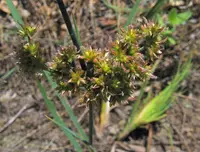
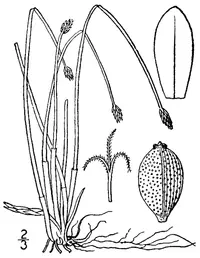
Common spikerush, Eleocharis palustris, is a perennial aquatic sedge often found in shallow water, wetlands, and along pond or stream edges. It forms dense clumps of upright, leafless green stems with small spike-like flower heads at the tips.
This species naturally occurs across temperate regions of North America, Europe, and Asia, where it stabilizes soil and provides habitat for wildlife. It is generally easy to grow if given constant moisture or shallow standing water and nutrient-rich, muddy or sandy substrates.
Gardeners usually care for common spikerush in water gardens, naturalistic ponds, or restoration plantings, where its tolerance of fluctuating water levels and cool temperatures makes it a reliable structural plant.

Care Difficulty
Moderate Care

Light Preference
Full Sun

Water Requirements
Aquatic

Temperature Preference
Cold Hardy

Hardiness Zone
3–9

Soil Texture
Sandy, Loamy, Silty

Soil pH
Acidic (5.5–6.5), Slightly acidic (6.5–7.0)

Soil Drainage
Waterlogged tolerant

Fertilization
Minimal (feed rarely)
Scan your plant to receive care tips personalized for your specific plant
Available on iOS and Android
This wetland species prefers full sun but tolerates light shade, especially in hot climates.
This is a true marsh plant that thrives in consistently saturated conditions.
This hardy rush tolerates a wide temperature range but grows best in cool to mild conditions.
This wetland species needs very high humidity close to saturation to stay healthy.
This marsh plant prefers permanently wet, organic-rich, fine-textured substrates rather than standard potting mixes.
This species is suitable for containers, especially for ponds, bog gardens, and water features.
Eleocharis palustris is a nutrient-tolerant wetland species that benefits from light feeding in containers or nutrient-poor setups.
Pruning Eleocharis palustris is mainly about tidying clumps and maintaining healthy, vigorous stems.
Transplanting or dividing clumps helps manage spread and maintain healthy growth in containers or controlled wetland plantings.
Multiplying Eleocharis palustris is commonly done by division, with seeds used mainly in habitat or restoration projects.
This species is generally cold hardy where it is native and often needs minimal winter care in outdoor ponds and wetlands.

Plant Health Check
Not sure what's wrong with your plant? Check your plant's health inside the app.
This species spreads through long, creeping rhizomes that knit together underwater or in saturated soil, helping stabilize banks and shorelines against erosion in marshes and slow-moving waters.
The stems contain air-filled tissues called aerenchyma that transport oxygen from the air to submerged roots, allowing the plant to survive prolonged inundation and low-oxygen mud.
Dense stands of this sedge-like plant create sheltered microhabitats that support invertebrates, spawning fish, and amphibians, and also provide nesting and feeding sites for waterfowl in temperate wetlands.

This widespread marsh species has been used as a bioindicator of good water quality in some ecological assessments, because it typically establishes persistent stands in relatively unpolluted, stable freshwater and slightly brackish habitats.
This species spreads by creeping rhizomes and can form dense colonies in shallow water or wet soil. In small ponds or rain gardens, use barriers or containers and remove excess clumps regularly to keep it controlled.
Keep your plants happy and healthy with plant identification, disease detection, and easy care guidance.