Encourage Dense Clumps
Cut back spent flowering stems to 2–3 in above the basal rosette to encourage tighter clump formation and prolong the blooming period when growing devil's grandmother.

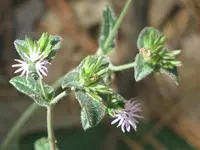
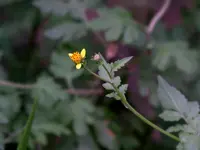
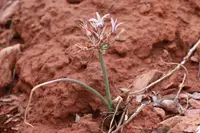
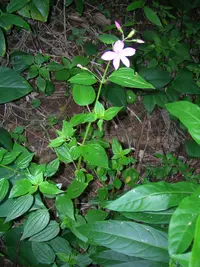
Devil's grandmother, Elephantopus tomentosus, is a low-growing perennial wildflower in the aster family. It forms a flat rosette of fuzzy leaves close to the ground. In summer it sends up upright, wiry stems topped with small, pale lavender flower clusters that attract bees and other pollinators. The plant often appears in open fields, roadsides, and dry pine woods across the southeastern United States. It adapts to poor, sandy, or compacted soils and tolerates heat and short dry periods, which makes it relatively undemanding in low-maintenance plantings. To care for devil's grandmother, provide sun to light shade, well-drained soil, and avoid overwatering to prevent root problems.

Care Difficulty
Easy Care

Light Preference
Full Sun

Water Requirements
Moderate Water

Temperature Preference
Warm Climate

Hardiness Zone
6–10

Soil Texture
Sandy, Loamy, Organic-rich

Soil pH
Acidic (5.5–6.5), Slightly acidic (6.5–7.0)

Soil Drainage
Well-drained

Fertilization
Minimal (feed rarely)
Scan your plant to receive care tips personalized for your specific plant
Available on iOS and Android
Elephantopus tomentosus grows best in open, bright conditions that mimic sunny meadows or woodland edges.
This species prefers evenly moist, well-drained soil but can handle short dry periods once established.
This perennial handles warm summers but needs protection from hard freezes to maintain top growth.
This species tolerates a wide humidity range and usually does not need special humidity management outdoors.
This plant prefers lean, well-drained soil and copes well with relatively poor ground.
This species can be grown in containers if the potting setup prevents chronic wetness around the roots.
Elephantopus tomentosus is a tough native perennial that needs only light, occasional feeding in lean soils.
Pruning needs for Elephantopus tomentosus are minimal and mainly focused on tidiness and plant health.
This species is more often grown in the ground, so transplanting is more common than container repotting.
Propagation of Elephantopus tomentosus is usually done by seed, with division as a secondary option in established clumps.
This perennial is reasonably cold hardy in much of its range and usually needs only simple winter care outdoors.

Plant Health Check
Not sure what's wrong with your plant? Check your plant's health inside the app.
This species forms a flat rosette of leaves pressed close to the ground, which helps it avoid mowing damage and grazing in disturbed habitats such as lawns and roadsides.
What looks like a single flower cluster is actually several small composite heads tightly grouped together, a typical trait of the aster family but expressed very compactly in this species.
Elephantopus tomentosus is naturally found in dry, open habitats of the southeastern United States, such as sandhills, old fields, and woodland openings, where it tolerates poor, sandy or rocky soils.

The common name devil's grandmother likely reflects its tough, persistent growth in fields and lawns, where its low rosette and deep root system make it difficult to remove, a key reason many land managers pay attention to Elephantopus tomentosus plant care and control in restoration work.
Sparse or absent flowering often follows too much shade, nutrient-poor or very dry soil, or plants that are still immature. Allow full growing season, avoid heavy nitrogen fertilizer, and keep soil lightly moist to support bud formation when growing devil's grandmother.
Keep your plants happy and healthy with plant identification, disease detection, and easy care guidance.