Rocky substrate choice
Establish the moss on a stable, porous mineral substrate such as tufa, sandstone, or gritty mortar, which mimics its natural cliff and rock habitats and reduces competition from vascular plants.

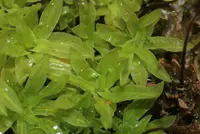
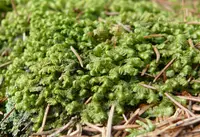
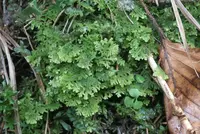
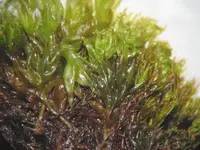
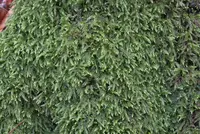
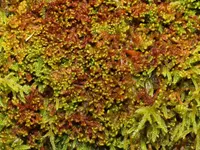
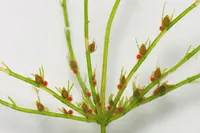
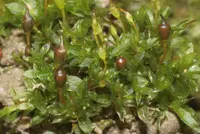
Spiral extinguisher-moss (Encalypta streptocarpa) is a small, cushion-forming moss known for its tightly twisted, elongated capsules that look like coiled tubes. It forms low, dense mats on rocks, thin soil, or old walls.
This species is native to many temperate regions, especially in Europe and parts of North America, where it grows in cool, open, and often slightly dry habitats. It is generally hardy and tolerant of poor, shallow substrates, which makes it relatively easy to keep in specialized moss collections.
Those who care for Spiral Extinguisher-moss should note that it prefers consistent moisture, good air flow, and bright but indirect light, without long periods of intense, direct sun.

Care Difficulty
Moderate Care

Light Preference
Partial Shade

Water Requirements
Moderate Water

Temperature Preference
Cold Hardy

Hardiness Zone
Unknown

Soil Texture
Rocky, Sandy, Loamy

Soil pH
Acidic (5.5–6.5), Slightly acidic (6.5–7.0)

Soil Drainage
Well-drained

Fertilization
Minimal (feed rarely)
Scan your plant to receive care tips personalized for your specific plant
Available on iOS and Android
This moss favors cool, bright conditions with soft, indirect light on rocks or thin soil.
Watering should mimic natural cycles of brief wetting and gradual drying on rocky or shallow substrates.
This species is adapted to cool to mild climates with high tolerance of cold and moderate heat.
This moss prefers consistently moist air and responds clearly to humidity changes.
Encalypta streptocarpa thrives on shallow, mineral, sharply drained substrates rather than deep, rich potting media.
This species can be grown in shallow containers that mimic rock crevices and thin soil pockets.
Encalypta streptocarpa usually grows well without fertilizer, especially when mounted on natural stone or soil substrates.
Encalypta streptocarpa needs no true pruning; only minimal tidying helps maintain a clean moss patch.
This moss is rarely repotted; care focuses on gentle transplanting of mats rather than frequent container changes.
Propagation of this moss is possible but usually slow and best done by patient hobbyists or researchers.
This moss is naturally cold hardy and usually needs no special winter care in outdoor settings.

Plant Health Check
Not sure what's wrong with your plant? Check your plant's health inside the app.
This moss is named for its distinctly spiraled operculum, the little cap that covers the spore capsule and twists off as the spores mature and disperse.
It grows mainly on exposed, lime-rich rocks such as limestone and calcareous sandstone, making it a characteristic species of basic, rather than acidic, substrates in many parts of Europe.
Populations often complete much of their reproductive cycle during cool seasons, with sporophytes frequently developing through winter and maturing in early spring in temperate climates.

This species has a broad Eurasian distribution and is often used by bryologists as a textbook example of the genus because its large size and strongly spiraled capsule lid make it one of the easiest Encalypta species to recognize in the field.
This species is naturally adapted to outdoor rocky, often calcareous sites with good airflow and fluctuating moisture. It can be kept indoors short term in cool, bright, humid conditions, but long-term Spiral Extinguisher-moss indoor care is challenging and less reliable.
Keep your plants happy and healthy with plant identification, disease detection, and easy care guidance.