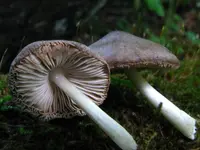
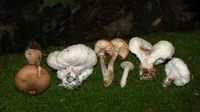
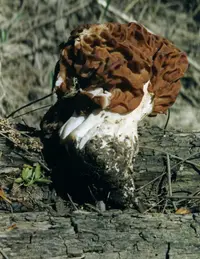
spring hazelcup Care (Encoelia furfuracea)

spring hazelcup

About spring hazelcup

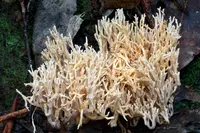
The spring hazelcup, Encoelia furfuracea, is a small cup fungus rather than a traditional leafy plant. It forms clusters of tiny, tan to brown cup-shaped fruiting bodies on dead hazel branches, often appearing in late winter to early spring. The surface is slightly scurfy or flaky, which helps with identification.

This species is native to Europe and is most often found in cool, moist woodland habitats where hazel shrubs grow. It is not commonly cultivated, and attempts to care for spring hazelcup at home are challenging because it depends on decaying hazel wood and stable outdoor conditions.

In nature it prefers shaded, humid sites with well-rotted hazel wood and good air flow, rather than regular garden soil or containers.

Main Plant Requirements

Care Difficulty

Moderate Care

Light Preference

Partial Shade

Water Requirements

Keep Soil Moist

Temperature Preference

Cool Climate

Hardiness Zone

5–8

Soil Texture

Loamy, Organic-rich

Soil pH

Slightly acidic (6.5–7.0)

Soil Drainage

Moist but well-drained

Fertilization

Minimal (feed rarely)

Get Personalized Care Plan

Scan your plant to receive care tips personalized for your specific plant

Available on iOS and Android

How to Care for the spring hazelcup

This small cup fungus naturally grows on dead hazel branches in cool, shaded woodlands and does not need strong sun.

  • Provide dappled woodland light or bright shade with only 1–2 hours of gentle morning sun and no direct afternoon sun.
  • Allow partial shade to deep shade; strong, unfiltered midsummer sun can dry the substrate and damage the delicate fruiting bodies.
  • In late winter to early spring, when trees are leafless, slightly brighter conditions are acceptable, but protect from harsh, reflective light and drying winds.

This fungus develops on naturally moist, decaying hazel wood rather than in typical potting soil, so watering focuses on keeping its substrate evenly damp.

  • Aim for consistently moist but not waterlogged wood; if the outer 2–5 mm feel dry and light, gently re-moisten with a fine spray or light pour.
  • Ensure excess water can drain or run off so Encoelia furfuracea is never left in standing water, which encourages rot and competing molds.
  • During active fruiting in late winter–spring, check moisture every few days; in warmer, drier weather, increase misting frequency if the substrate dries quickly or cracks.

This species is adapted to cool, temperate woodland conditions and fruits mainly in late winter to early spring.

  • Optimal fruiting occurs around 40–55°F (4–13°C); sustained temperatures above 68°F (20°C) tend to dry the wood and shorten the lifespan of the cups.
  • It tolerates winter cold down to about 23°F (−5°C) on sheltered wood, but repeated freeze–thaw cycles below this can damage tissue and reduce future fruiting.
  • In late spring and summer, if temperatures exceed 70–75°F (21–24°C), keep the substrate shaded and humid to limit heat stress and desiccation.

Humidity is not a key factor for Encoelia furfuracea, which naturally fruits on dead hazel wood in open air.

Encoelia furfuracea develops best on moist, well-aerated, organic-rich substrates that mimic decaying hazel wood.

  • Use a loose mix of well-rotted hardwood chips, shredded bark, and leaf mold to provide structure similar to natural hazel debris.
  • Keep the substrate evenly moist but never waterlogged, allowing excess water to drain freely after irrigation or rainfall.
  • Maintain a slightly acidic to neutral reaction around pH 5.5–7.0 to favor fungal colonization and fruiting.
  • Avoid compacted mineral garden soil or heavy clay that restricts air spaces and slows decomposition of the woody material.

This species is not practically suited to container growing for ornamental or household culture.

This wood-inhabiting fungus usually gains sufficient nutrients from decaying host wood, so spring hazelcup needs no routine fertilization.

Pruning is not a routine practice for Encoelia furfuracea, as it fruits on dead or decaying woody material rather than forming a typical garden shrub or houseplant.

Transplanting focuses on moving colonized wood rather than handling this fungus like a potted plant.

  • Check that the colonized branch or log is still firm, not fully decomposed or crumbling, before moving it to a new site.
  • Shift wood pieces during cool, moist weather in autumn or early spring to limit drying and stress on the fungal mycelium.
  • Move the entire piece of infected wood rather than scraping fruiting bodies; place it on similar bark or deadwood in the new location.
  • Avoid frequent disturbance; once positioned, leave the wood largely undisturbed so the colony can re-establish and fruit.

Propagation of Encoelia furfuracea is rarely managed intentionally in gardens and is best left to natural spore spread and colonization.

This temperate fungus is naturally cold hardy and typically needs no special winter care in outdoor conditions.

Care Tips

Select host wood

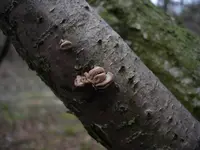
Establish colonies on well-seasoned hazel or similar hardwood branches that are already dead but still firm, as this provides the stable substrate the fungus needs to fruit reliably year after year.

Anchor branches securely

When positioning inoculated or naturally colonized branches outdoors, secure them horizontally or slightly angled on racks, wire frames, or between stakes so wind does not roll or flip them and damage developing cups.

Shade and airflow management

Site the host wood in cool, open shade with gentle air movement, such as under a deciduous shrub layer, to reduce desiccation of fruiting bodies while also limiting prolonged surface wetness that favors competing molds.

Moisture cycling control

Instead of keeping the wood constantly wet, mimic natural winter–spring cycles by allowing the substrate surface to dry slightly between rainfall or irrigation events, which helps maintain fruiting while discouraging aggressive green algae and molds.

Seasonal observation log

Keep a simple log of first appearance, peak, and decline of cup bodies each late winter and spring when growing spring hazelcup, then adjust shading and moisture timing in following seasons based on these patterns to stabilize annual fruiting.

Common Pests and Diseases

Competing wood-decay fungi

This disease involves other wood-decay fungi colonizing the same hazel branches and outcompeting the spring hazelcup for space and nutrients. Symptoms include reduced or patchy fruiting and the presence of different fungal bodies on the same dead twigs.

Solution

Remove and discard heavily colonized branches that show abundant fruiting bodies of other fungi, and leave or reposition branches where Encoelia furfuracea is already established to reduce direct competition. When managing woodland or garden hazel, retain moderately decayed but not crumbling branches so the spring hazelcup has suitable substrate before more aggressive fungi dominate.

Desiccation damage

This disease is not caused by a pathogen but by excessive drying of the host twig and bark, which stops or shrivels fruit body development. Symptoms include cups that remain small, flattened, or brittle and a lack of fresh, fleshy fruiting after dry, windy periods.

Solution

Maintain some shade and wind protection around hazel stands and avoid removing surrounding vegetation that buffers humidity. In garden or small-scale settings, leave some dead hazel branches in semi-shaded, sheltered positions and avoid stacking them in full sun, which helps support stable moisture needed for growing spring hazelcup.

Bark-boring beetles

These insects create tunnels in the dead or dying hazel bark and wood, which can dry out or fragment the substrate where the fungus develops. This pest often leaves small round exit holes and fine wood dust along affected branches.

Solution

Cut out and remove branches with extensive boring galleries and dispose of them away from the site to lower local beetle populations. When selecting hazel wood to encourage Encoelia furfuracea plant care, choose sound but dead twigs with intact bark and avoid pieces that already show heavy boring damage.

Interesting Facts

Specialist on hazel twigs

This fungus almost always fruits on dead or dying hazel (Corylus) twigs and small branches, making it a useful indicator of past hazel growth even when the shrub has been cut back.

Winter and early-spring fruiting

It is one of the few cup fungi in Europe that regularly fruits during late winter to early spring, often appearing when many other macrofungi are absent.

Distinctive peeling cups

The fruitbodies develop from closed, pale, warty knobs into open, shallow cups whose outer surface breaks into furfuraceous, or bran-like, scales that inspired the species name furfuracea.

Botan icon

Did you know?

The species plays a saprobic role in woodland ecosystems, efficiently decomposing small hazel twigs and returning locked-up nutrients to the soil early in the growing season when nutrient demand from emerging plants is high.

FAQs about spring hazelcup

This fungus is not considered a culinary species and has no tradition of safe consumption. Identification is difficult, and confusion with other inedible cup fungi is possible, so it is best treated as non-edible.

Grow Healthy Plants with Botan Care

Keep your plants happy and healthy with plant identification, disease detection, and easy care guidance.

Botan plant care app — identify plants on mobile

Explore More Plants