Sweetgrass Tooth Care (Hydnellum suaveolens)

Sweetgrass Tooth

About Sweetgrass Tooth

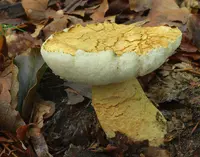
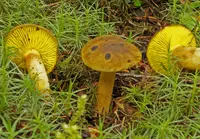
Sweetgrass tooth (Hydnellum suaveolens) is a tooth fungus, not a true plant, known for its pale to blue-gray cap and spiny underside instead of gills. It often carries a distinct sweet, spicy fragrance, which inspires its common name.

This species grows on the ground in coniferous forests, especially among pines, in North America and Europe. It forms mycorrhizal partnerships with trees, meaning it relies on living roots rather than typical pot culture.

Because of this specialized relationship, it is very difficult to cultivate at home, and attempts to care for Sweetgrass Tooth like a normal garden or indoor plant are rarely successful.

Main Plant Requirements

Care Difficulty

Hard Care

Light Preference

Partial Shade

Water Requirements

Keep Soil Moist

Temperature Preference

Cool Climate

Hardiness Zone

3–7

Soil Texture

Loamy, Peaty, Organic-rich

Soil pH

Strongly acidic (4.5–5.5)

Soil Drainage

Moist but well-drained

Fertilization

Minimal (feed rarely)

Get Personalized Care Plan

Scan your plant to receive care tips personalized for your specific plant

Available on iOS and Android

How to Care for the Sweetgrass Tooth

This ectomycorrhizal fungus prefers cool, forest-style light rather than open, direct sun.

  • Site Hydnellum suaveolens in bright dappled shade under conifers or mixed woodland, with 1–3 hours of weak morning sun at most.
  • Avoid strong midday or afternoon sun; prolonged exposure can dry the duff layer and suppress fruiting bodies, especially in summer.
  • In hotter climates, increase shade during late spring–summer, while in cooler regions light, open woodland edges are acceptable if the soil stays moist.

Moist, aerated forest soil is more important than direct watering for this mycorrhizal fungus.

  • Maintain consistently moist, not soggy, soil by preserving leaf litter and conifer needles, which buffer drying and improve structure.
  • If supplemental watering is needed, water the ground lightly when the top 2–4 cm of duff feel dry, then allow excess to drain away fully.
  • Watch for overwatering signs such as sour, anaerobic smell or standing water; overly dry soil stays pale, dusty, and fruiting bodies fail to appear.

This woodland fungus thrives in cool to mild conditions typical of temperate forests.

  • Best growth occurs around 50–68°F (10–20°C), matching cool, moist seasons when soil stays evenly damp but not frozen.
  • It tolerates lows near 23°F (-5°C) in dormant periods, but repeated freeze–thaw with bare, exposed soil can damage mycelium near the surface.
  • Sustained heat above 80°F (27°C) with dry soil suppresses fruiting; provide shade, leaf litter, and irrigation to moderate temperature swings in summer.

Humidity is not a key factor for Hydnellum suaveolens, which naturally grows in outdoor forest conditions rather than controlled indoor environments.

Hydnellum suaveolens requires very specific forest-floor conditions rather than standard garden soil.

  • Use a loose, fibrous mix that mimics conifer forest litter, combining pine needles, fine bark, and a small amount of coarse sand.
  • Ensure sharp drainage so water moves through quickly, leaving the substrate just slightly moist, never waterlogged or compacted.
  • Maintain an acidic environment, ideally pH 4.5–5.5, by incorporating conifer sawdust or peat and avoiding lime or alkaline amendments.
  • Protect the fungal mycelium by keeping the surface airy, not trodden or crusted, to allow gas exchange around the fine feeding threads.

This species is not suitable for typical container growing, as it depends on forming mycorrhizal associations with tree roots in natural soil.

Hydnellum suaveolens is a mycorrhizal fungus that gains nutrients through its tree partner, so it does not need conventional fertilization.

Hydnellum suaveolens does not need structured pruning, but limited cleanup can help site hygiene and observation.

  • Trim only obviously damaged or decaying fruiting bodies using clean, sharp scissors or a small knife.
  • Remove moldy or insect-infested tissue to reduce disease spread in the immediate area.
  • Avoid disturbing the underlying mycelium network in the soil; cut above ground level rather than pulling.
  • Leave some mature fruiting bodies intact to allow natural spore production and population renewal.

This mycorrhizal fungus is rarely grown in containers, so focus on careful site establishment rather than traditional repotting.

  • Transplant only if a habitat is being recreated, such as moving colonized soil with its associated host tree seedling.
  • Choose early spring or fall when temperatures are mild and soil stays evenly moist.
  • Move a generous plug of native soil containing the mycelium, disturbing roots and fungal threads as little as possible.
  • Water the host tree seedling gently after transplanting and avoid fertilizer or soil amendments that could disrupt the fungal partnership.

Propagation of Hydnellum suaveolens is challenging and usually left to natural spore dispersal in suitable forests.

This species is cold hardy in temperate climates and generally requires no special winter care once established in the ground.

Care Tips

Soil partner choice

Inoculate young conifer seedlings (such as pine or spruce) with collected fruiting bodies or spore slurry near their root zone, since this mycorrhizal fungus needs a compatible tree partner to establish and fruit reliably.

Spore slurry method

Blend a few mature caps with non-chlorinated water and a pinch of clean sand, then pour this slurry into several small holes around host trees to increase the chances of successful colonization over a wider area.

Minimal disturbance zone

Mark and keep a 30–60 cm buffer around known colonies free from raking, digging, and heavy foot traffic so the delicate mycelial network and its mycorrhizal links to tree roots remain intact.

Duff layer management

Maintain a light, natural layer of needles, twigs, and leaf litter over the colony area, topping up with local conifer litter if needed, which helps conserve moisture and provides a more stable microhabitat for fruiting.

Long-term monitoring

Photograph and map fruiting locations each year to track colony health and fruiting patterns, adjusting site management gradually rather than making sudden changes when growing Sweetgrass Tooth outdoors.

Common Pests and Diseases

Mycophagous springtails

These insects feed on fungal tissue and mycelium, sometimes grazing the surface of fruiting bodies and young mycelial mats. Symptoms include small surface pits, roughened texture, and slow or uneven development of caps and spines.

Solution

Maintain stable, slightly drier but not parched surface conditions in cultivation beds, and avoid over‑rich organic layers that favor very high springtail populations. If damage is significant, reduce decaying debris nearby, use fine mesh or physical barriers around fruiting areas, and, for controlled culture setups, consider introducing predatory mites that naturally suppress springtails.

Slugs and snails

These pests are attracted to moist forest and garden beds and can chew irregular holes in the soft tissue of young fruiting bodies. Symptoms include missing sections, slime trails, and distorted or incomplete caps.

Solution

Use physical barriers such as copper tape, sharp grit, or low-profile slug collars around outdoor culture plots, and hand-pick slugs and snails in the evening or after rain. Reducing dense groundcover and excess mulch directly around fruiting zones also lowers hiding sites and feeding pressure.

Competing saprotrophic fungi

This disease pressure comes from other fungi colonizing the same substrate and outcompeting Hydnellum suaveolens, leading to poor or absent fruiting. Symptoms include patches of different-colored mycelium, moldy or fuzzy growths, or other mushroom species forming where this tooth fungus is expected.

Solution

Select low-competition, low-nutrient, well-drained coniferous forest soil or substrates that mimic its natural habitat, and avoid adding high-nutrient composts that favor aggressive saprotrophs. In managed beds, remove obviously contaminated substrate, refresh with clean conifer duff or needles, and keep disturbance low to favor the established mycorrhizal network and support long-term Hydnellum suaveolens care.

Interesting Facts

Distinct sweet aroma

Mature fruiting bodies often emit a noticeable sweet smell reminiscent of anise or maple syrup, which is unusual among toothed fungi. This scent is most evident in fresh, well-hydrated specimens in conifer forests.

Blue-stained flesh

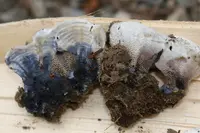
The cap and flesh frequently show bluish to blue-green tones, especially near the base and in younger parts of the fruiting body. When cut or broken, the tissue can reveal striking blue zones that help distinguish it from similar tooth fungi.

Mycorrhizal conifer partner

This species forms ectomycorrhizal associations with conifer trees such as spruce and pine, exchanging mineral nutrients and water for carbohydrates from the host. It typically appears in nutrient-poor, acidic soils where this partnership improves tree nutrient uptake.

Botan icon

Did you know?

Hydnellum suaveolens is one of several tooth fungi used historically as a natural source of blue to greenish dyes for textiles and yarns, with the pigments extracted mainly from the inner, bluish parts of the fruiting bodies.

FAQs about Sweetgrass Tooth

This fungus grows slowly, often taking several seasons to form noticeable, toothy fruiting bodies. It relies on its mycorrhizal partnership with nearby conifers, so growth rate mainly reflects tree health, soil conditions, and moisture stability.

Grow Healthy Plants with Botan Care

Keep your plants happy and healthy with plant identification, disease detection, and easy care guidance.

Botan plant care app — identify plants on mobile

Explore More Plants