Slender Parasol Care (Macrolepiota mastoidea)

Slender Parasol

About Slender Parasol

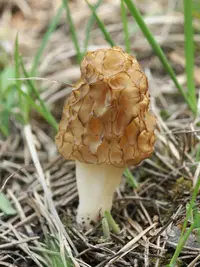
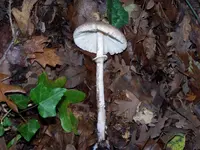
Slender parasol (Macrolepiota mastoidea) is a medium to large saprophytic mushroom, meaning it feeds on decaying organic matter rather than forming typical green foliage. It develops tall, slender stems topped with broad, pale caps that often show a darker central bump and scattered scales.

This species is usually found in grasslands, forest edges, and light woodlands across parts of Europe and adjacent regions, often appearing in small groups. Identification can be tricky because it resembles several related species, which affects how easy it is to safely care for Slender Parasol or consider it for any edible use.

It generally favors well-drained, organic-rich soils and moderate moisture, thriving in sites with access to natural light but not extreme drying exposure.

Main Plant Requirements

Care Difficulty

Moderate Care

Light Preference

Partial Shade

Water Requirements

Keep Soil Moist

Temperature Preference

Cool Climate

Hardiness Zone

Unknown

Soil Texture

Loamy, Silty, Organic-rich

Soil pH

Acidic (5.5–6.5), Slightly acidic (6.5–7.0)

Soil Drainage

Moist but well-drained

Fertilization

Minimal (feed rarely)

Get Personalized Care Plan

Scan your plant to receive care tips personalized for your specific plant

Available on iOS and Android

How to Care for the Slender Parasol

Macrolepiota mastoidea prefers bright but gentle woodland-type light rather than intense, direct sun.

  • Provide dappled or filtered light with 2–4 hours of weak morning sun; avoid strong midday and afternoon sun that can scorch caps and dry the substrate.
  • Site Slender Parasol where it receives bright shade under shrubs, trees, or tall grasses, mimicking forest edges or glades.
  • In hot summers, increase shade cover; in cooler, overcast seasons, allow slightly more open exposure so fruiting bodies still receive indirect light.

This species needs consistently moist, well-drained soil that never dries out completely or stays waterlogged.

  • Aim for soil that feels evenly moist 5–10 cm down; allow only the top 1–2 cm to start drying before the next thorough soak from rain or irrigation.
  • Use loose, organic-rich, well-draining soil so water moves through quickly but is held by leaf litter or mulch, preventing standing puddles around mycelium.
  • Reduce supplemental water during cool, rainy periods and increase during hot, windy spells; signs of stress include shriveling caps from drought and slimy, collapsing caps from overwatering.

This mushroom fruits best in mild, temperate conditions rather than temperature extremes.

  • Optimal fruiting occurs around 59–70°F (15–21°C), with mycelium active in a broader range as long as moisture is stable.
  • Macrolepiota mastoidea tolerates brief drops to about 40°F (4°C), but hard frost below 32°F (0°C) can damage or halt fruiting bodies.
  • Prolonged heat above 82–86°F (28–30°C) combined with dry air suppresses growth; maintain shade, organic mulch, and moisture during hot summers to buffer soil temperature.

Humidity is a minor factor for this woodland mushroom compared with moisture in the substrate.

This species fruits best in loose, organic-rich, well-drained woodland-type substrate rather than compact or heavy ground.

  • Use a mix based on decomposed leaf litter, well-rotted compost, and a small portion of mineral soil or sand for structure.
  • Aim for slightly acidic to neutral conditions, around pH 5.5–7.0, avoiding limed or highly alkaline sites.
  • Keep the substrate airy by avoiding trampling and by incorporating coarse organic fragments that maintain pore spaces for gas exchange.
  • Avoid waterlogged, clay-heavy, or sterile substrates, which limit mycelium spread and can cause rot in Macrolepiota mastoidea.

This species is generally unsuitable for container growing because it relies on wide, undisturbed soil or litter layers to establish its mycelium.

Macrolepiota mastoidea, known as slender parasol, is a woodland fungus that usually needs no fertilization when grown in suitable, organic-rich soil outdoors.

Macrolepiota mastoidea does not need structured pruning, but minor cleanup supports hygiene and safe identification in foraging areas.

  • Cut and discard decaying or insect-infested fruiting bodies using a clean knife to limit disease spread.
  • Remove damaged or collapsed mushrooms promptly to reduce mold buildup on surrounding leaf litter.
  • Avoid cutting surrounding vegetation heavily, as this can disturb the fungal mycelium network in the soil.

This fungus is rarely container-grown, so care focuses on moving colonized substrate rather than traditional repotting.

  • Transplant only if the mycelium block is overcrowded in a tray or fruiting bag, or if yields decline.
  • Aim to divide and move colonized substrate in cool, moist weather to reduce desiccation stress.
  • Lift the colonized block gently, keeping it intact, and place it into fresh, pasteurized, organic-rich substrate.
  • Minimize disturbance after transplanting, maintaining steady moisture and shade to help the mycelium reestablish.

Macrolepiota mastoidea propagation is specialized and usually handled by experienced growers or mycologists rather than casual gardeners.

This temperate mushroom is generally cold hardy and needs little specific winter care in outdoor, naturalized sites.

  • In very exposed beds, maintain a 3–5 cm layer of leaf litter or straw to buffer freeze–thaw swings around the mycelium.
  • For small cultivation patches, avoid deep digging or tilling in winter so the underground mycelial network remains intact.

Care Tips

Use breathable containers

When cultivating this fungus in pots or trays, choose shallow, wide, well-ventilated containers (such as perforated crates lined with breathable fabric) to allow strong gas exchange around the developing mycelium and prevent anaerobic patches that invite rot.

Stage the substrate

Prepare the growing medium in layers, placing slightly coarser, well-decomposed organic material at the base and finer material near the surface so the mycelium colonizes efficiently while the fruiting bodies emerge cleanly through the top layer.

Pre-wet and rest

Before introducing spawn, moisten the substrate evenly, then let it sit covered for 12–24 hours so excess free water dissipates and the moisture gradient stabilizes, which reduces the risk of bacterial contamination and stalled colonization.

Use shade structures

Outdoors, install temporary shade cloth or use the north side of a structure to shield developing caps from direct midday sun and wind, which helps maintain cap texture and reduces splitting when growing Slender Parasol.

Harvest with twisting

During harvest, gently twist and lift the whole mushroom from the substrate instead of cutting at the base, then backfill the hole with a bit of clean, moist substrate to limit entry points for pests and secondary fungi.

Common Pests and Diseases

Mycophagous springtails

These insects feed on developing fruiting bodies and mycelium, creating small pits or surface scarring on caps and sometimes causing malformed mushrooms.

Solution

Remove heavily infested mushrooms and surface debris, then adjust moisture so the substrate stays evenly damp, not waterlogged. For outdoor beds, improve drainage and reduce standing water; in controlled setups, use fine mesh barriers and clean culture practices to limit access of springtails to the substrate.

Fungus gnat larvae

This pest tunnels through mycelium and young stems, which can stunt or distort developing caps and reduce the number of usable fruiting bodies.

Solution

Discard badly damaged mushrooms and reduce excess moisture in the fruiting area while maintaining moderate humidity. Use fine insect mesh around vents, remove decaying organic debris near the culture, and apply biological controls such as Bacillus thuringiensis israelensis (Bti) to moist soil or substrate where allowed.

Slug and snail grazing

These mollusks rasp tissue from caps and stems, leaving irregular holes, slime trails, and sometimes entirely consumed small fruiting bodies.

Solution

Hand-pick slugs and snails in the evening, use ring barriers of copper tape or rough grit around beds, and reduce nearby hiding spots such as dense groundcover or boards. Where permitted, place iron phosphate slug bait outside the immediate fruiting zone, following label directions carefully to avoid contamination of edible mushrooms.

Bacterial blotch

This disease causes greasy, yellow-brown, sunken spots on caps, often following prolonged surface wetness or splashing from contaminated water or soil.

Solution

Remove and discard affected mushrooms, then improve air circulation and avoid overhead watering that leaves caps wet for many hours. Use clean water sources, sanitize tools and containers, and space fruiting bodies so surfaces dry between mistings while still maintaining overall humidity for growing Slender Parasol.

Competing saprophytic fungi

This problem appears when fast-growing contaminant fungi colonize the same substrate, outcompeting the desired mycelium and producing off-type or discolored fruiting bodies or no mushrooms at all.

Solution

Discard heavily contaminated substrate and start fresh with properly pasteurized or sterilized material and clean spawn. In future cycles, maintain strict hygiene, limit unfiltered exposure to outdoor spores during early colonization, and avoid reusing substrate that has already fruited heavily or shows foreign mold growth.

Interesting Facts

Pronounced nipple-like umbo

The cap of this species typically shows a distinct, sharply raised central bump (umbo) that is more pointed than in many related parasol mushrooms, which is one of its key diagnostic features in the field.

Fine, serpent-like scales

On mature caps, the pale surface often cracks into very fine, concentrically arranged brown scales that can form subtle, snake-like patterns, helping distinguish it from the more coarsely scaled parasol mushroom Macrolepiota procera.

Slender, fragile stipe

The stem is relatively thin and fragile for a parasol mushroom and lacks the bold snakeskin patterning found in some close relatives, which mycologists use along with spore and cap traits to confirm identification.

FAQs about Slender Parasol

This fungus is reproduced from spores rather than seeds. In gardens it is usually left to appear naturally where conditions suit it, especially in undisturbed, moist, organic-rich soils with decaying plant material.

Grow Healthy Plants with Botan Care

Keep your plants happy and healthy with plant identification, disease detection, and easy care guidance.

Botan plant care app — identify plants on mobile

Explore More Plants