Use hardwood chips
For reliable fruiting, place colonized substrate onto a tray or bed of fresh, pasteurized hardwood chips from willow, poplar, or other soft hardwoods, which closely mimics this species’ natural habitat and supports repeat flushes.

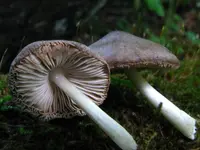
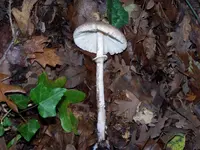
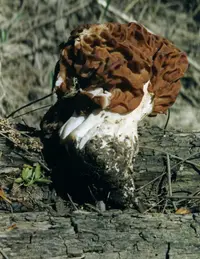
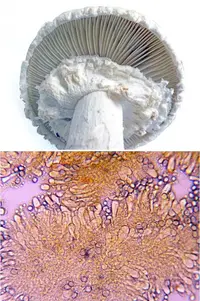
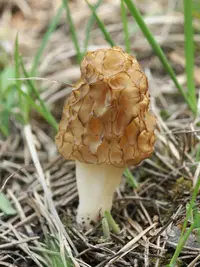
Willow Shield, Pluteus salicinus, is a small saprotrophic mushroom that breaks down dead hardwood, especially willow and other broadleaf trees. It typically produces slender, pale stems and smooth caps that range from grayish to bluish tones, sometimes with subtle green or blue staining.
This species is found in temperate regions of Europe, North America, and parts of Asia, usually appearing on rotting logs, buried wood, or rich woody debris. It can be unpredictable and short-lived in cultivation, which makes it challenging for beginners who want to care for Willow Shield.
In general, it prefers cool, moist, shaded conditions and a consistently woody, decaying substrate rather than ordinary garden soil.

Care Difficulty
Hard Care

Light Preference
Shade

Water Requirements
Keep Soil Moist

Temperature Preference
Cool Climate

Hardiness Zone
Unknown

Soil Texture
Loamy, Silty, Organic-rich

Soil pH
Acidic (5.5–6.5), Slightly acidic (6.5–7.0)

Soil Drainage
Moist but well-drained

Fertilization
Minimal (feed rarely)
Scan your plant to receive care tips personalized for your specific plant
Available on iOS and Android
This wood-inhabiting fungus favors low to moderate natural light under trees or shrubs.
This species needs consistently moist, not saturated, wood or woody debris to form fruiting bodies.
This fungus prefers cool to mild conditions that mimic a shaded woodland floor.
Humidity is not a major factor for Pluteus salicinus, which fruits well in typical outdoor moisture conditions.
This fungus develops best on a consistently moist, loose, organic substrate rather than standard potting soil.
This species is not well suited to traditional container growing and is usually cultivated in outdoor beds or logs, so containers are generally not recommended.
Pluteus salicinus is a wild saprotrophic fungus that does not need direct fertilization like a potted plant.
Pluteus salicinus does not require pruning, since each mushroom is short-lived and naturally decomposes in place.
In cultivation, focus on renewing the substrate rather than moving individual Pluteus salicinus mushrooms.
Cultivation of Pluteus salicinus relies on controlled mycelium propagation rather than conventional plant methods.
Outdoor populations of Willow Shield generally need no targeted winter care, as the fungus persists mainly as mycelium in wood.

Plant Health Check
Not sure what's wrong with your plant? Check your plant's health inside the app.
The fruiting bodies often show a distinct blue-green staining on the stem or cap margin when handled, a reaction linked to psilocybin-type compounds oxidizing in the tissue.
This species typically fruits on decaying willow, alder, and other hardwoods in moist, riparian zones along rivers, streams, and wetlands, making it closely tied to water-influenced woodland ecosystems.
Mature caps are usually pale gray to gray-brown with fine, darker radial streaks, and they often become noticeably hygrophanous, meaning the color changes as the cap dries after being wet.

Molecular studies have shown that this species belongs to a distinct clade within the genus Pluteus, and populations once thought to be a single, widespread species have revealed cryptic diversity, leading to ongoing taxonomic revision in the salicinus group.
This mushroom is considered psychoactive and potentially unsafe to eat. Identification is difficult, and confusion with toxic lookalikes is possible. For safety, it should not be collected or consumed as food or recreationally.
Keep your plants happy and healthy with plant identification, disease detection, and easy care guidance.