pimple pinkgill Care (Entoloma hebes)

pimple pinkgill

About pimple pinkgill

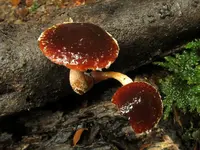
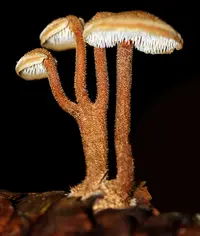
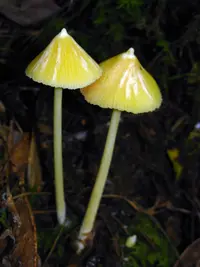
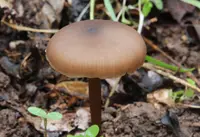
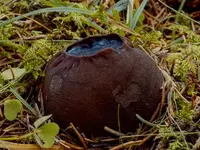
Pimple pinkgill (Entoloma hebes) is a small, ground-dwelling mushroom rather than a leafy plant. It belongs to a large and complex group of gilled fungi. The cap is usually grayish to brownish with a slightly uneven or pimply surface, and the gills turn pinkish as the spores mature.

This species typically appears in mossy grasslands, heathlands, and open woodland clearings, mainly in cooler temperate regions. It is not domesticated, and attempts to care for pimple pinkgill at home are challenging because it depends on specific soil fungi and habitat conditions that are hard to reproduce.

In nature, it favors undisturbed, nutrient-poor, and often slightly acidic soils that stay evenly moist but not waterlogged.

Main Plant Requirements

Care Difficulty

Hard Care

Light Preference

Partial Shade

Water Requirements

Keep Soil Moist

Temperature Preference

Cool Climate

Hardiness Zone

Unknown

Soil Texture

Loamy, Organic-rich

Soil pH

Acidic (5.5–6.5)

Soil Drainage

Moist but well-drained

Fertilization

Minimal (feed rarely)

Get Personalized Care Plan

Scan your plant to receive care tips personalized for your specific plant

Available on iOS and Android

How to Care for the pimple pinkgill

This woodland fungus prefers low, filtered light that mimics a shaded forest floor.

  • Site pimple pinkgill under deciduous trees or shrubs where it receives dappled light or full shade, avoiding direct midday and afternoon sun to prevent drying of the substrate.
  • Allow brief, weak morning sun of up to 1–2 hours if humidity remains high, but favor locations that stay shaded for most of the day.
  • In summer, increase shade if leaf cover is thin; in late autumn, protect from harsh, low-angle sun with leaf litter or nearby groundcover plants.

Moist, but not waterlogged, soil supports reliable fruiting of this woodland mushroom.

  • Maintain soil that stays evenly damp 5–10 cm deep, allowing only the top 1–2 cm to begin drying between natural rains or supplemental watering.
  • Use well-drained, humus-rich soil so surface water drains within 1–2 hours, preventing standing puddles that encourage rot and anaerobic conditions around Entoloma hebes mycelium.
  • Increase monitoring during warm, dry periods, watering when the upper layer looks pale and crumbly, and reduce supplemental water in cool, wet seasons to avoid soggy, sour-smelling ground.

This species prefers cool to mild conditions typical of shaded woodland habitats.

  • Aim for an overall range of 50–68°F (10–20°C), where mycelial growth and fruiting tend to be most stable under moist, shaded conditions.
  • Short exposures down to about 32°F (0°C) are tolerated, but repeated hard frosts below 28°F (-2°C) can damage fruiting bodies and slow underground growth.
  • High heat above 77–82°F (25–28°C), especially combined with dry air, can halt fruiting, so prioritize deep shade, thick leaf litter, and consistent soil moisture during hot spells.

This woodland fungus needs consistently moist, cool air to fruit well outdoors.

  • Aim for 70–90% relative humidity, which usually occurs naturally in shaded forest or garden beds with dense groundcover.
  • Dry, windy exposure desiccates caps quickly, so shelter sites with shrubs, logs, or windbreak fencing.
  • Humidity stress shows as shriveling and cracking of the small pimple pinkgill caps; use leaf litter or misted mulch to boost local moisture.

Entoloma hebes fruits best in cool, humus-rich ground that stays moist yet aerated.

  • Use a loose, organic-rich loam with fine leaf litter or well-rotted wood chips to mimic forest-floor structure.
  • Ensure free drainage; soil should hold moisture but not puddle after rain, so avoid heavy, compacted clay.
  • Target a slightly acidic to neutral pH around 5.5–7.0, which suits most woodland fungi associations.
  • To improve aeration and drainage, blend native soil with shredded bark and coarse sand, avoiding high-salt fertilizers or fresh manure.

This species is generally unsuitable for conventional container growing because its natural fungal relationships depend on living soil and host plants.

This wild fungus is adapted to low-nutrient forest soils and normally does not need supplemental fertilizer when left in natural conditions.

Pruning is not applicable to Entoloma hebes, as it is a small, short-lived mushroom that completes its life cycle without structural maintenance.

Transplanting is generally unsuitable because this fungus depends on specific soil microbes and habitat conditions.

  • If attempting cultivation, avoid disturbing the site once mycelium (the fungal root network) has colonized the substrate.
  • Do not lift or move fruiting bodies; they are temporary structures and moving them will not establish the fungus elsewhere.
  • Any relocation effort should focus on moving colonized substrate, kept intact and evenly moist, rather than individual mushrooms.
  • Transplant only during mild, moist weather to limit drying and stress on the mycelium.

Propagation of Entoloma hebes is technically complex and not typically attempted by home growers, as it relies on spore dispersal and specific soil partners.

This woodland mushroom is naturally cold hardy in its native range and does not require active winter care in the ground.

Care Tips

Substrate pasteurization

Before inoculating, heat-treat leaf litter or wood-rich substrate at 150–170°F for 30–60 minutes to kill competitive fungi while preserving structure that supports more reliable mycelium establishment.

pH and calcium check

Test the substrate pH and aim for a slightly acidic range around 5.5–6.5, avoiding lime or calcium-rich amendments, since higher pH favors competitor species and can slow Entoloma hebes development.

Controlled moisture layering

Build the bed in thin layers of damp organic material rather than one deep, wet mass, which helps distribute moisture evenly and reduces anaerobic pockets that can damage the mycelium.

Shaded microhabitat design

Mimic a cool woodland floor by placing beds under deciduous shrubs or trees, using a thin, loose leaf mulch to buffer temperature swings and prevent direct rainfall impact on fruiting bodies.

Minimal disturbance policy

After the mycelium has colonized, avoid raking, digging, or compressing the bed, and harvest by gently cutting rather than pulling mushrooms to keep the fine mycelial network intact for future cycles when growing pimple pinkgill.

Common Pests and Diseases

Mycophagous springtails

These insects feed on fungal tissue, grazing caps and gills and leaving pitted or eroded areas on fruiting bodies. Symptoms include roughened cap surfaces and small irregular holes, often in very moist moss or litter around the mushrooms.

Solution

Limit heavy springtail activity by reducing excess surface moisture, avoiding standing water, and improving drainage around the fruiting site. In small, controlled culture trays, gently remove heavily grazed mushrooms and replace overly wet substrate with fresh, slightly drier material to discourage large populations while still keeping the habitat humid enough for growing pimple pinkgill.

Fungus gnat larvae

This pest lives in moist substrates and feeds on developing fungal tissue, sometimes hollowing out stems or caps of young fruiting bodies. Symptoms include collapsed or water-soaked stems and caps with small tunnels or soft, decayed areas.

Solution

Reduce overly wet organic debris, leaf mold, or compost near the colony and allow the top layer to dry slightly between irrigations if cultivated. Use fine mesh over culture containers, remove heavily damaged mushrooms, and encourage good airflow to make conditions less favorable for gnat breeding without fully drying the substrate.

Mite grazing damage

These insects are tiny arachnids that scrape and feed on fungal surfaces, leading to dull, roughened caps and distorted or partially eaten gills. Symptoms include speckled or patchy damage on caps and edges, sometimes accompanied by visible tiny moving dots under magnification.

Solution

Limit mite buildup by keeping collecting and culture equipment clean and by avoiding the introduction of contaminated moss or leaf litter from other fungal sites. In small culture setups, remove and dispose of infested fruiting bodies and refresh substrate, and if needed lightly disturb the surface and increase ventilation to reduce sheltering sites for mites.

Bacterial soft rot

This disease causes localized water-soaked patches on caps and stems that quickly turn slimy and collapse, especially in warm, stagnant, very moist conditions. Symptoms include a foul odor, mushy texture, and rapid disintegration of affected mushrooms.

Solution

To manage bacterial soft rot, remove and discard all rotting fruiting bodies promptly and avoid overhead watering or constant splashing on mushrooms in culture. Improve air movement, reduce crowding, and maintain moist but not saturated substrate, which lowers humidity spikes and surface wetness that favor bacterial spread.

Competitive mold overgrowth

This disease occurs when fast-growing molds colonize the substrate, outcompeting the pinkgill mycelium and deforming or suppressing fruiting bodies. Symptoms include patches of green, gray, or white fluffy mold on soil or moss and stunted, misshapen, or aborted mushrooms nearby.

Solution

Manage mold by removing heavily colonized substrate sections and any deformed fruiting bodies, then replacing with fresh, clean medium if the species is being maintained in culture. In both wild-like beds and controlled setups, reduce nutrient-rich waste and keep conditions moist but not saturated with good airflow, which makes the environment less favorable for aggressive mold species while supporting Entoloma hebes care.

Interesting Facts

Northern European specialist

This species is primarily recorded from cool, temperate regions of northern and northwestern Europe, especially in countries like the UK, Ireland, and Scandinavia, where it fruits in mossy grasslands and heaths.

Pale lilac coloration

The fruitbodies often show subtle lilac to greyish-violet tones, especially on the cap and gills when young, which helps distinguish it from more plainly colored brown Entoloma species in the field.

Microscopic identification need

Accurate identification usually requires microscopic study of its angular (polygonal) spores and other tissue structures, because it closely resembles several related dull-colored Entoloma species to the naked eye.

FAQs about pimple pinkgill

This mushroom is considered inedible and potentially poisonous. Identification within Entoloma is difficult, and several related species are toxic. It should never be eaten or used in cooking, and foraging should be left to expert mycologists.

Grow Healthy Plants with Botan Care

Keep your plants happy and healthy with plant identification, disease detection, and easy care guidance.

Botan plant care app — identify plants on mobile

Explore More Plants