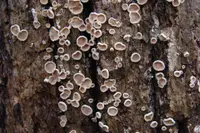
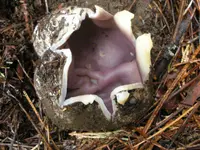
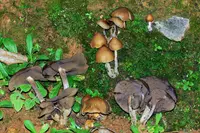
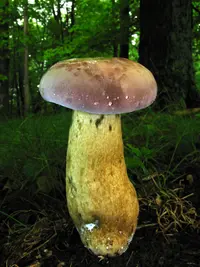
stalked scarlet cup Care (Sarcoscypha occidentalis)

Also known as: western scarlet cup
stalked scarlet cup

About stalked scarlet cup

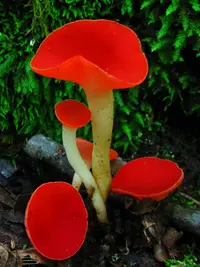
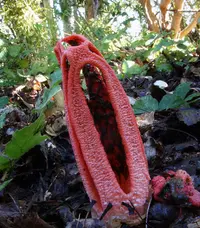
Stalked scarlet cup (Sarcoscypha occidentalis) is a small cup fungus, not a leafy plant, best known for its bright red, goblet-shaped fruiting bodies on thin stalks. It typically grows on damp, decaying wood or rich leaf litter in forests, especially in warm, humid regions of North America and parts of Asia.

The cups are usually scattered in groups and appear seasonally, adding vivid color to shaded woodland floors or naturalistic garden corners. It is generally considered a specialty organism that can be challenging to maintain because it depends on consistently moist, cool microclimates and decomposing wood. Gardeners interested in how to care for stalked scarlet cup need to focus on stable humidity, shade, and undisturbed, rotting wood substrates.

Main Plant Requirements

Care Difficulty

Hard Care

Light Preference

Shade

Water Requirements

Keep Soil Moist

Temperature Preference

Cool Climate

Hardiness Zone

Unknown

Soil Texture

Loamy, Silty, Organic-rich

Soil pH

Strongly acidic (4.5–5.5), Acidic (5.5–6.5)

Soil Drainage

Waterlogged tolerant

Fertilization

Minimal (feed rarely)

Get Personalized Care Plan

Scan your plant to receive care tips personalized for your specific plant

Available on iOS and Android

How to Care for the stalked scarlet cup

This small cup fungus thrives in shaded woodland conditions with gentle, indirect light.

  • Provide bright dappled shade or full shade with brief early morning sun; avoid direct midday sun, which can dry fruiting bodies and substrate quickly.
  • Allow only 1–2 hours of weak, low-angle sun per day; consistent filtered light under shrubs, logs, or leaf litter suits stalked scarlet cup best.
  • In late winter to early spring, when trees are leafless, protect from harsh exposure by using leaf litter, logs, or other ground cover to soften light.

Moist, humus-rich woodland soil is essential for stable fruiting of this species.

  • Keep the substrate consistently moist but not waterlogged; the top 1–2 cm should feel damp, never soggy or cracked dry.
  • Ensure excellent drainage with leaf litter, rotting wood, and loose organic matter so excess water drains away within a few hours after rain or irrigation.
  • In dry or hot periods, increase moisture by gentle soaking at soil level and monitor for shriveling cups (too dry) or slimy, decaying tissue (overly wet).

This fungus prefers cool to mild conditions typical of late winter and early spring woodlands.

  • Optimal fruiting occurs around 40–60°F (4–16°C), with mycelium growth continuing slowly up to about 68°F (20°C).
  • Sarcoscypha occidentalis tolerates brief drops near 25°F (-4°C) when insulated by leaf litter but repeated hard freezes can damage fruiting bodies.
  • Prolonged heat above 75–80°F (24–27°C) shortens cup lifespan; in warmer seasons, deep shade and thick organic cover help buffer soil temperatures.

This fungus prefers moist air but usually copes in typical outdoor woodland humidity if the substrate stays damp.

  • Aim for 60–90% humidity around fruiting logs or substrate to support reliable cup development.
  • Dry, windy air speeds surface drying, leading to shriveling cups and pale, brittle tissue edges.
  • Increase local humidity by mulching around colonized wood, using coarse leaf litter, and shielding sites from direct wind.

This saprophytic fungus grows on decaying wood and leaf litter rather than true soil, but substrate conditions still matter.

  • Provide a loose, organic-rich medium made of well-rotted hardwood chips, shredded bark, and leaf mold with fine particles to retain moisture.
  • Ensure very high drainage with no standing water; substrate should feel evenly damp but never waterlogged, or Sarcoscypha occidentalis structures may rot.
  • Keep pH slightly acidic to neutral (pH 5.5–7.0) by using hardwood-based materials and avoiding alkaline amendments like lime or large amounts of wood ash.
  • Improve aeration by mixing in coarse bark pieces and creating a shallow, open layer rather than a deep, compacted bed, which limits oxygen and colonization.

This species is difficult but possible to manage in containers when grown on decaying hardwood substrates rather than potting soil.

  • Use a wide, shallow container so the decomposing wood layer can spread laterally, which mimics its natural habitat on fallen twigs and small branches.
  • Drill extra side holes near the container base to let excess water escape while still allowing humid air exchange around the colonized wood pieces.
  • Choose a rigid, non-flexing pot material so the developing fungal network and wood fragments are not disturbed when the container is moved or handled.

This fungus typically needs no fertilization when grown in a natural, decaying-wood habitat.

Sarcoscypha occidentalis does not need structural pruning, but limited hygiene work can help maintain clean colonies in cultivated displays.

  • Carry out any tidying after fruiting bodies collapse, usually in late spring or early summer.
  • Remove only obviously decayed, moldy, or insect-infested cups by hand to reduce disease spread.
  • Avoid cutting or disturbing the woody substrate, since this damages the hidden mycelium that sustains the fungus.
  • Use clean gloves or tools and dispose of removed material away from mushroom beds.

In cultivation, this wood-decay fungus is managed by moving its colonized substrate rather than traditional repotting.

  • Transplant only if the colonized log or wood piece is breaking down fully or the container stays waterlogged for long periods.
  • Plan moves outside freezing weather, ideally in cool, moist conditions of early spring or fall to limit mycelium stress.
  • Shift the entire colonized wood section intact into a new shaded, humid site without shaking or breaking it apart.
  • Water gently after moving and keep the new location evenly moist for several weeks while the mycelium re-establishes contact with the soil surface.

Reproducing Sarcoscypha occidentalis at home is challenging because it depends on complex interactions between spores, wood type, and microclimate.

This stalked scarlet cup is naturally cold hardy in its range and generally needs no special winter care in outdoor beds.

Care Tips

Substrate layering

When cultivating this fungus on decayed hardwood pieces, add a thin top layer of well-soaked leaf litter to mimic forest duff and help maintain the consistently moist microclimate it prefers.

Log inoculation method

Drill small holes into well-rotted hardwood branches, insert colonized dowels or mycelium spawn, and seal with wax to create dense inoculation points that lead to more reliable cup production over time.

Shaded microclimate

Position inoculated wood under low shrubs or behind a north-facing structure so wind is reduced and evaporation slows, which stabilizes moisture levels around the fruiting cups.

Moisture monitoring

Use a simple soil moisture probe or a narrow wooden skewer pushed into the substrate to check that the top 2–3 cm remain lightly moist but not waterlogged in periods between rainfall.

Seasonal debris management

In late fall and after heavy storms, gently remove only thick or matted leaf layers from the fruiting area so the cups are not smothered, but leave a thin, loose cover that protects the underlying mycelium when growing stalked scarlet cup.

Common Pests and Diseases

Fungivorous springtails

These insects feed on moist fungal tissue and can cluster on or around fruiting cups in very damp conditions. Symptoms include tiny white or gray jumping insects on the substrate or on decaying wood near the fungus.

Solution

Reduce constant surface wetness by improving drainage and ventilation around the growing site, and limit heavy, frequent overhead watering in cultivation trays or terraria. If numbers are high, gently flush the substrate surface with clean water and use sticky traps nearby to reduce populations without disturbing the fruiting bodies.

Fungus gnats

These insects are attracted to persistently wet, organic-rich substrates and their larvae feed in the upper layer of the medium where Sarcoscypha occidentalis develops. Symptoms include small dark flies hovering over the culture container and fine larval tunnels in very soft substrate or decaying wood.

Solution

Allow the substrate surface to dry slightly between waterings while still keeping the interior evenly moist, and increase airflow around the growing container. Use yellow sticky traps for adults and, if needed, apply a biological control such as Bacillus thuringiensis israelensis (BTI) to the substrate according to product directions to reduce larvae without harming the fungus.

Mite grazing damage

These pests are tiny arthropods that scrape and feed on soft fungal tissue, occasionally causing pitting or roughened areas on the cup surfaces. Symptoms include uneven cup margins, small pale or bronzed spots, and fine speckling when examined closely.

Solution

Lower mite pressure by keeping the culture area clean, removing decaying plant matter and old spent fruiting bodies promptly. For more serious infestations, briefly increase air movement and slightly reduce humidity while maintaining moisture in the substrate, and if needed introduce predatory mites sourced for biological control that target pest mites but leave the fungus intact.

Bacterial soft rot

This disease affects overly wet, stagnant conditions, turning cup tissue water-soaked, mushy, and sometimes foul smelling. Symptoms include rapid collapse of cups, translucent spots on tissue, and slimy decay at the base or attachment point.

Solution

Remove and discard all affected fruiting bodies and any obviously decomposing substrate, then improve air circulation and avoid water pooling directly on the cups. In cultivation, use clean tools and containers, apply water to the substrate rather than on the cups, and maintain only moderate, not saturated, moisture levels as part of Sarcoscypha occidentalis care.

Interesting Facts

Tiny cup-shaped fruitbodies

This species produces very small, shallow cup fungi only about 0.5–1 cm across, often looking like scattered red pinheads on twigs and leaf litter rather than the larger cups seen in related species.

Summer fruiting pattern

Unlike several other red cup fungi that appear in late winter and early spring, this species typically fruits in warmer months, especially summer, on decaying hardwood sticks and small branches.

Distinctive hairless exterior

The outer surface of the cups is smooth and pale, lacking the dense covering of hairs seen in some related species, which helps mycologists distinguish it from other red cup fungi in the field.

Botan icon

Did you know?

This species shows a strong preference for very thin, often upright twigs and petioles as its substrate, so the bright red cups are frequently elevated above the forest floor on narrow stems formed by the colonized plant material plus the fungus itself, giving it a distinctive stalked appearance compared with many other cup fungi.

FAQs about stalked scarlet cup

This fungus performs best outdoors in cool, moist, shaded locations with abundant decaying wood. Indoor conditions are usually too dry and sterile. For practical Sarcoscypha occidentalis care, focus on recreating a natural woodland floor environment outside.

Grow Healthy Plants with Botan Care

Keep your plants happy and healthy with plant identification, disease detection, and easy care guidance.

Botan plant care app — identify plants on mobile

Explore More Plants