Common Rustgill Care (Gymnopilus penetrans)

Also known as: Scaly Rustgill
Common Rustgill

About Common Rustgill

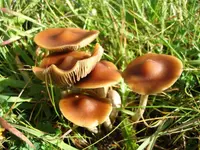
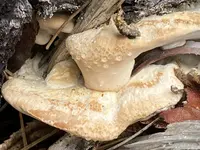
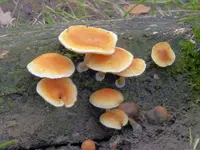
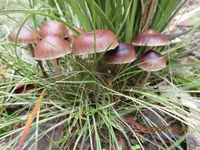
Common rustgill, Gymnopilus penetrans, is a small saprophytic mushroom that feeds on dead conifer wood rather than living plants. It forms dense clusters of rusty orange to yellow-brown caps with matching gills and a slender, fibrous stem.

This species is widespread in temperate forests of North America and Europe, especially on decaying stumps, buried roots, and rotting logs. Because it depends on specific wood substrates and natural decay processes, it is not a practical species to cultivate, and attempts to care for Common Rustgill at home are rarely successful.

In nature, it prefers cool, moist, shaded forest conditions and well-rotted conifer wood with consistent moisture but good air movement.

Main Plant Requirements

Care Difficulty

Moderate Care

Light Preference

Partial Shade

Water Requirements

Keep Soil Moist

Temperature Preference

Cool Climate

Hardiness Zone

Unknown

Soil Texture

Loamy, Organic-rich

Soil pH

Acidic (5.5–6.5)

Soil Drainage

Moist but well-drained

Fertilization

Minimal (feed rarely)

Get Personalized Care Plan

Scan your plant to receive care tips personalized for your specific plant

Available on iOS and Android

How to Care for the Common Rustgill

This wood-inhabiting fungus prefers low to moderate light typical of shaded forests.

  • Provide dappled or filtered light under trees or shrubs, avoiding more than 1–2 hours of direct midday sun, which can dry the substrate and reduce fruiting.
  • Allow bright morning sun for up to 3–4 hours if humidity stays high, but protect from harsh afternoon sun that can overheat logs or stumps.
  • In summer, increased canopy shade is acceptable; caring for Common Rustgill focuses more on moist, decaying wood than on high light levels.

This fungus depends on consistently moist, decaying wood rather than direct surface watering.

  • Maintain the host wood or woody mulch evenly moist; if the top 2–3 cm feel dry and crumbly, increase irrigation to the surrounding area, not directly on the mushrooms.
  • Improve drainage around stumps or logs so excess water can run off; sour odors, slimy wood, or mold mats indicate prolonged waterlogging.
  • During hot, dry periods, mist or hose the nearby soil and mulch 1–2 times per day, watching for shriveling caps as a sign of drying and dark, collapsing tissue as a sign of over-saturation.

This species fruits best in cool to mild outdoor temperatures typical of temperate forests.

  • Target 50–68°F (10–20°C) for reliable fruiting; growth often slows above 72°F (22°C) and becomes irregular in hot, dry conditions.
  • Tolerate short drops to around 32°F (0°C), but repeated hard frosts can damage fruiting bodies, so flushes are more common in frost-free windows of spring and autumn.
  • In hot spells above 77–82°F (25–28°C), shade and high humidity help protect colonized wood; the underlying mycelium survives better than the exposed mushrooms.

This wood-rotting mushroom develops best in consistently moist, cool air rather than dry household conditions.

  • Aim for 70–90% humidity around developing clusters by growing outdoors in damp, shaded spots or in a high-humidity propagation area.
  • Dry air causes caps and gills to crack, edges to curl, and growth to stall before full expansion.
  • Increase humidity by maintaining moist, decaying wood substrate, using a loose cover that traps some moisture but still allows air exchange.

Gymnopilus penetrans relies on a wood-based, well-aerated substrate rather than conventional garden soil.

  • Use a mix built on decaying hardwood chips, sawdust, or small logs, with only a small amount of leaf litter or compost to add nutrients.
  • Ensure very free drainage so water moves through quickly while the woody material stays evenly damp, never waterlogged.
  • Keep pH slightly acidic to neutral, around 5.5–7.0, which supports fungal enzyme activity needed to break down wood.
  • Avoid dense clay, compacted ground, or pure potting mix; loosen structure with extra wood chips or coarse bark to improve aeration.

This species is not ideal for typical decorative containers but can be managed in specialized culture tubs or boxes designed for wood-loving fungi.

  • Use a deep, sturdy tub that holds substantial wood chips or small logs so the fungal network can spread in a stable substrate volume.
  • Drill small side and lid holes to allow gas exchange while retaining enough moisture for fruiting without constant misting.
  • Elevate the container on blocks or a rack so drainage holes never sit in collected runoff, preventing stagnant, anaerobic conditions in the wood.

This wood-decaying fungus usually gains enough nutrients from its substrate, so Common Rustgill in natural settings needs no additional fertilizer.

Pruning is not relevant for Gymnopilus penetrans, as it is a wild saprophytic fungus rather than a landscape or house plant.

For practical purposes, this species is not maintained as a potted plant but may be moved only when transferring colonized wood or substrate.

  • Transplant only if shifting colonized logs or wood chips to a new site with similar shade and moisture.
  • Avoid disturbing the mycelium; move the entire colonized piece instead of breaking it apart.
  • Work during mild, moist weather to reduce desiccation stress on exposed fungal tissue.
  • After moving, keep the new site evenly moist so the mycelium can re-establish contact with fresh wood.

Propagation of this wild fungus is primarily a specialist task and not commonly done in home or ornamental settings.

This temperate woodland fungus is naturally cold hardy and requires no intentional winter care in outdoor settings.

Care Tips

Use Sterile Substrate

Prepare hardwood sawdust or woodchip substrate that has been pressure-sterilized or thoroughly pasteurized to suppress competing fungi and bacteria before inoculation, which is critical for growing Common Rustgill reliably.

Control Inoculation Density

Distribute spawn evenly in the substrate at a moderate rate (about 5–10% of substrate volume) to balance fast colonization with good air spaces, which reduces the risk of anaerobic pockets and contamination.

Manage Fresh Air Exchange

Once the substrate is fully colonized and pinning begins, introduce gentle but regular fresh air exchange 2–4 times per day to remove excess CO2 and prevent long, thin, weak stems.

Surface Moisture Management

Mist the fruiting surface lightly and indirectly so that it remains just glistening but never dripping, since free water on caps and gills encourages bacterial blotch and deformed mushrooms.

Rotate Fruiting Blocks

Stagger several smaller fruiting blocks instead of one large block and rotate them in use, which allows consistent harvests and easier removal of any block that shows signs of contamination or pests.

Common Pests and Diseases

Fungivorous springtails

These insects feed on moist fungal tissue and can graze on caps and stems of fruiting bodies, causing pitting and surface scarring. Symptoms include small irregular pits, a roughened texture, and tiny jumping insects visible in substrate or on mushrooms when disturbed.

Solution

Reduce excess surface moisture and improve ventilation around the culture to make conditions less favorable. Remove heavily damaged mushrooms, and, if growing indoors, use fine mesh screens and clean, pasteurized substrate to limit introduction of springtails as part of broader Gymnopilus penetrans care instructions.

Sciarid fungus gnats

These insects lay eggs in damp, organic substrates, and the larvae feed on developing fungal mycelium and young primordia, leading to deformed or aborted fruiting bodies. Symptoms include slow or uneven pin development and small black adult flies hovering near the substrate surface.

Solution

Allow the top layer of substrate or casing to dry slightly between misting while maintaining overall humidity, and increase airflow to discourage adults from settling. Use yellow sticky traps to capture adults, remove any heavily infested substrate sections, and keep the grow area clean of decaying organic debris that supports gnat breeding.

Mucor mold contamination

This disease appears as fast-growing, fluffy white to gray mold that can quickly overrun the substrate and smother the target fungus. Symptoms include cottony patches that spread in irregular mats and may cause poor or completely halted fruiting.

Solution

Promptly cut out and discard heavily contaminated sections of substrate and any affected fruiting bodies. Improve sterile technique, reduce excess free water on the surface, and increase fresh air exchange; in severe cases, discard the entire batch and restart with properly pasteurized or sterilized substrate.

Trichoderma green mold

This disease starts as white mycelium that soon turns bright green as spores are produced, often outcompeting the intended fungus and causing stunted or absent fruiting. Symptoms include sharply defined green patches on substrate or near the base of fruiting bodies and a coarse, powdery surface.

Solution

Remove and discard any visibly green areas with surrounding substrate to reduce spore load, then carefully bag and trash the waste. Improve hygiene, avoid overwatering, and ensure adequate air movement; if contamination is extensive, end the cycle, clean the grow space thoroughly, and restart with clean tools and substrate.

Interesting Facts

Pioneer of bare soil

This species often appears early on disturbed, nutrient-poor soils in conifer forests, especially on compacted paths and road edges, helping to start the breakdown of fine woody debris and needles.

Subtle rusty coloration

Its small caps shift from yellow-brown when moist to paler hues as they dry, while the gills and spore print develop a distinct rusty orange-brown color that is characteristic for accurate identification.

Non-woody wood decomposer

Unlike many wood-inhabiting fungi that form on visible logs or stumps, this species frequently fruits from soil rich in buried conifer wood and litter, indicating active decomposition of hidden fine roots and branches.

Botan icon

Did you know?

Molecular studies have shown that material long identified in the field as Gymnopilus penetrans has at times included several look-alike species, so recent DNA-based work has helped narrow and clarify what mycologists now consider true G. penetrans.

FAQs about Common Rustgill

This species is not recommended for consumption. Reports on edibility are unclear, and related species contain toxic compounds. For safety, treat all similar orange-brown woodland mushrooms as inedible and avoid eating them.

Grow Healthy Plants with Botan Care

Keep your plants happy and healthy with plant identification, disease detection, and easy care guidance.

Botan plant care app — identify plants on mobile

Explore More Plants