Use decaying hosts
Establish colonies by placing spawn or inoculated dowels into well-rotted hardwood pieces or woodchips rather than fresh logs, since this species favors advanced decay stages and will colonize more reliably.

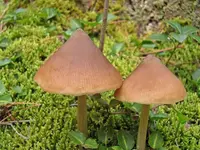
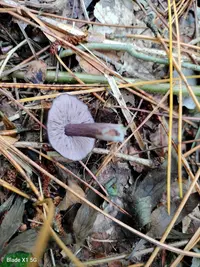
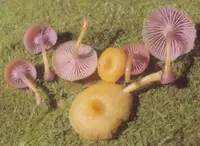
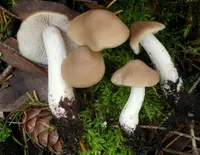
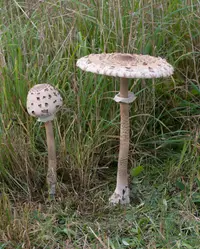
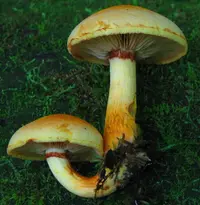
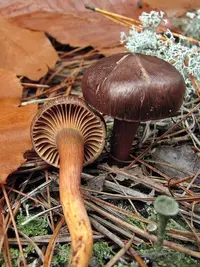
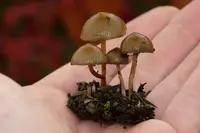
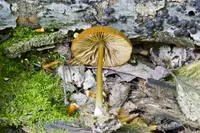
Straight-stalked Entoloma (Entoloma strictius) is a small, gilled fungus rather than a traditional leafy plant. It typically has a slender, straight stem and a pale to greyish cap, often found on soil or among leaf litter.
This species occurs mainly in temperate regions, especially in woodland and grassland habitats where it forms part of the natural decomposer community. It is not commonly cultivated, and attempts to care for Straight-stalked Entoloma at home are usually challenging because it relies on specific soil organisms and natural habitat conditions.
In nature, it favors undisturbed, moist, well-aerated soils with moderate shade, appearing seasonally when moisture and temperature conditions align.

Care Difficulty
Moderate Care

Light Preference
Partial Shade

Water Requirements
Regular Water

Temperature Preference
Cool Climate

Hardiness Zone
Unknown

Soil Texture
Loamy, Organic-rich

Soil pH
Acidic (5.5–6.5)

Soil Drainage
Moist but well-drained

Fertilization
Minimal (feed rarely)
Scan your plant to receive care tips personalized for your specific plant
Available on iOS and Android
This woodland fungus prefers low to moderate light typical of shaded forest floors.
This species needs consistently moist, well-drained soil rather than alternating extremes of wet and dry.
This fungus favors cool to mild conditions similar to temperate woodland climates.
This terrestrial fungus relies mainly on site moisture, so ambient humidity is usually not a critical factor for Entoloma strictius.
Entoloma strictius grows in humus-rich forest soil, so replicating a loose, organic surface layer is more important than depth.
This species is not realistically suitable for conventional container growing, as it depends on complex soil and ecosystem interactions that containers rarely provide.
This wild fungus does not require direct fertilization; maintain a healthy, organic-rich habitat instead.
Pruning is not applicable for Entoloma strictius, as it is a wild mushroom rather than a managed ornamental plant.
This species is not suited to conventional repotting, but habitat conditions can be adjusted with care.
Intentional propagation of Entoloma strictius is rarely successful outside specialized mycology setups and is not recommended for casual growers.
This temperate woodland fungus is naturally cold hardy and needs no special winter care from gardeners.

Plant Health Check
Not sure what's wrong with your plant? Check your plant's health inside the app.
This species is characterized by a relatively straight, slender stipe (stem) compared with many other Entoloma species, which historically contributed to its separation from similar pink-gilled fungi in field mycology keys.
Like other entolomas, it produces pink spores, but they are distinctly angular under the microscope, a key diagnostic feature that helps confirm identification of this particular taxon in mixed grassland or woodland collections.
Reports place this species in herb-rich grasslands and light woodland or forest margins, indicating a preference for relatively undisturbed, species-rich habitats in temperate regions.
This species is considered inedible and potentially poisonous. It should never be eaten, even in small amounts. Identification of wild mushrooms is difficult, so any similar pink-gilled fungi should also be avoided for food use.
Keep your plants happy and healthy with plant identification, disease detection, and easy care guidance.