Broad-leaved Helleborine Care (Epipactis helleborine)

Also known as: Weedy Orchid
Broad-leaved Helleborine

About Broad-leaved Helleborine

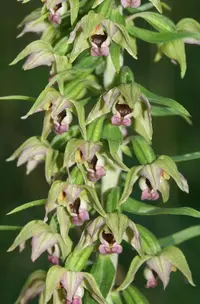
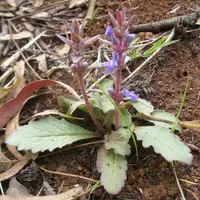
Epipactis helleborine, commonly called broad-leaved helleborine, is a hardy terrestrial orchid found in woodlands, roadsides, and disturbed sites across Europe, Asia, and many parts of North America. It grows from underground rhizomes, forming upright stems with broad, pleated green leaves and loose spikes of small, greenish-purple flowers.

This orchid often behaves like a resilient wildflower, colonizing shaded or partially shaded areas, including urban environments. It adapts to a wide range of soils, which makes it relatively easy to establish where conditions suit it.

Those who want to learn how to care for Broad-leaved Helleborine should know it prefers light shade, consistent but not waterlogged moisture, and well-drained, humus-rich soil that mimics woodland conditions.

Main Plant Requirements

Care Difficulty

Moderate Care

Light Preference

Partial Shade

Water Requirements

Regular Water

Temperature Preference

Cold Hardy

Hardiness Zone

4–9

Soil Texture

Loamy, Silty, Organic-rich

Soil pH

Acidic (5.5–6.5), Slightly acidic (6.5–7.0)

Soil Drainage

Moist but well-drained

Fertilization

Minimal (feed rarely)

Get Personalized Care Plan

Scan your plant to receive care tips personalized for your specific plant

Available on iOS and Android

How to Care for the Broad-leaved Helleborine

Epipactis helleborine prefers woodland-style light that mimics dappled forest conditions.

  • Provide bright dappled shade or light filtered sun, with 2–4 hours of gentle morning sun and protection from strong afternoon sun to prevent leaf scorch.
  • Plant Broad-leaved Helleborine under deciduous trees or shrubs so summer foliage filters light, while more sun reaches the plant in early spring and late fall.
  • Avoid deep, continuous shade that produces weak, stretched growth; if stems lean strongly toward light or flower poorly, choose a slightly brighter, still sheltered spot.

Epipactis helleborine grows best in evenly moist, not waterlogged, soil.

  • Water when the top 2–4 cm of soil feels just dry, aiming to keep the root zone consistently damp during active growth without standing water.
  • In spring and early summer, monitor closely during dry spells; in late summer and fall, allow slightly more surface drying as growth slows and foliage starts to decline.
  • Watch for yellowing, limp leaves and foul-smelling, soggy soil as signs of overwatering, and for wilted, thin leaves and dry, shrinking shoots as signs of underwatering.

This hardy terrestrial orchid tolerates a wide temperature range typical of temperate outdoor gardens.

  • Optimal active growth occurs around 60–75°F (16–24°C), with cool nights supporting strong roots and flowering.
  • Dormant rhizomes tolerate winter cold down to about 0°F (−18°C) in well-drained soil, especially under leaf litter or light snow cover.
  • Heat above 85°F (29°C) combined with dry soil can stress plants, so provide shade and moisture in heatwaves, while late spring frosts may damage new shoots but rarely kill the plant.

This orchid prefers moderate humidity but usually copes well with typical outdoor levels.

  • Aim for 40–60% humidity in sheltered garden or woodland-style spots.
  • Leaves that curl, yellow at the edges, or show drying tips can indicate air that is too dry or hot.
  • Use ground-level mulches and nearby moisture-loving plants to slightly raise local humidity without waterlogging the roots.

This terrestrial orchid prefers loose, moist, well-drained, humus-rich soil.

  • Use a friable loam enriched with leaf mold or compost, allowing fine roots to spread easily.
  • Ensure drainage is steady but not fast-draining sand only; the soil surface should not stay waterlogged after rain.
  • A slightly acidic to neutral pH around 6.0–7.0 supports nutrient uptake for Epipactis helleborine.
  • Improve aeration by mixing in fine bark or perlite so water drains while the root zone stays evenly moist.

This species can be grown in containers if moisture and drainage are carefully balanced.

  • Choose a deep, narrow pot that allows the rhizomes to spread downward while preventing the mix from drying out too fast at the sides.
  • Use a heavier container material or add topdressing gravel to keep taller flowering stems stable in wind.
  • Raise the pot on feet or bricks so drainage holes stay clear and excess water can escape quickly after watering or rain.

This hardy woodland orchid usually needs minimal feeding, especially in rich, moist soil.

  • If growth is weak, apply a balanced, dilute (1/4–1/2 strength) liquid fertilizer in spring as shoots emerge.
  • Use a low-dose balanced NPK or very thin layer of compost; avoid heavy, salty products that damage roots.
  • Feed only 1–2 times during the growing season; additional nutrients rarely improve performance.
  • Stop fertilizing Broad-leaved Helleborine by late summer to allow natural dormancy over winter.

Pruning needs for Epipactis helleborine are light and mainly focused on tidiness and plant health.

  • Cut spent flower stems at the base after seed release if self-seeding is not desired.
  • Remove dead, damaged, or diseased foliage at any time using clean, sharp scissors or pruners.
  • Thin crowded stems in late autumn to improve air flow and reduce fungal problems.
  • Allow some seed stems to remain if natural spread and wildlife value are desired.

This species is typically grown in the ground, so focus on careful transplanting rather than frequent repotting.

  • Transplant in early spring or early autumn when temperatures are mild and soil is moist.
  • Move plants only if necessary, such as overcrowding, poor site, or declining vigor.
  • Lift with a wide soil clump to keep roots and rhizomes intact, minimizing disturbance and stress.
  • Replant at the same depth in a humus-rich, well-drained site and water gently until re-established.

Propagation of this orchid is possible but can be slow, especially from seed due to soil fungi dependence.

  • Division of established clumps in early spring or early autumn is the most practical method.
  • Lift the clump carefully, then separate sections with several shoots and healthy roots attached.
  • Replant divisions immediately into similar soil, water well, and keep evenly moist until re-rooted.

This orchid is cold hardy in most temperate climates and usually needs very little winter care.

  • Tolerates freezing temperatures once dormant, with underground rhizomes surviving normal winters.
  • In colder regions, add a 2–5 cm layer of leaf mulch over the root zone after the first hard frost.
  • Keep container-grown plants just moist and, in very cold areas, overwinter in a sheltered, frost-exposed but not windy spot.

Care Tips

Control Underground Spread

Install a shallow root barrier 15–20 cm deep around patches to prevent rhizomes from invading nearby beds or lawns while still allowing the colony to naturalize in a defined area.

Mark Dormant Clumps

Place discreet labels or small stones where shoots grew in summer so you do not disturb the underground rhizomes when digging or mulching in the plant’s dormant season.

Encourage Self-Seeding

If you want a natural colony, avoid deadheading the older flower spikes and allow seed capsules to mature and split, then lightly disturb the soil surface nearby in late summer to help seed contact the soil.

Manage Unwanted Seedlings

Check surrounding beds and paths a few times each season and remove young seedlings by hand when the rosettes are still small and roots shallow, as this is far easier than lifting established plants later.

Monitor Snails And Slugs

Use physical barriers such as copper tape around prized clumps and hand-pick snails and slugs in the evening, as these pests can disfigure new shoots and flower spikes when growing Broad-leaved Helleborine in moist, shaded sites.

Common Pests and Diseases

Aphids

These insects cluster on young shoots and flower spikes, sucking sap and causing distortion, sticky honeydew, and sooty mold on leaves and stems.

Solution

Rinse colonies off flower spikes and foliage with a firm stream of water, then spot-treat remaining clusters with insecticidal soap or a ready-to-use horticultural oil, repeating every 5–7 days until controlled. Reducing excess nitrogen fertilization and encouraging natural predators such as lady beetles outdoors also helps limit recurring infestations when caring for Broad-leaved Helleborine in gardens or naturalized areas.

Slugs and snails

These pests chew irregular holes in leaves and young shoots, often leaving slime trails on or around the plants, especially in damp, shaded sites.

Solution

Hand-pick slugs and snails in the evening, reduce hiding places like dense ground litter, and use barriers such as copper tape or sharp grit around small patches. Where damage is heavy, apply iron phosphate slug pellets according to label directions, avoiding direct contact with orchid shoots and flowers.

Capsid bugs

These insects feed on developing stems and buds, leading to small brown pits, distorted growth, and sometimes aborted flowers on the inflorescences.

Solution

Inspect flower spikes regularly in late spring and early summer, removing affected buds and stems to reduce breeding sites. In outdoor plantings, shaking plants over a white tray helps detect bugs; if numbers are high, use a contact insecticidal soap or pyrethrin-based spray targeted to the flower spikes, applied in calm weather and repeated as needed.

Viral mosaic symptoms

Symptoms include irregular pale streaks or mottling on leaves and sometimes deformed flowers, often without clear dieback but with reduced vigor over time.

Solution

Isolate any plant showing persistent mosaic or streaking patterns and avoid sharing divisions or tools with healthy orchids. Remove and destroy severely affected clumps, disinfect cutting tools with 70% alcohol between plants, and control sap-feeding insects such as aphids that can spread viruses.

Leaf spot fungus

This disease causes small brown or black spots on leaves that may merge into larger patches, especially during wet, humid weather with poor air circulation.

Solution

Remove and discard heavily spotted leaves and any dense debris around the plant to reduce moisture retention and spore load. Improve airflow, water at soil level rather than over foliage, and if spots continue to spread, use a labeled broad-spectrum fungicide for ornamental plants, applied during a dry spell according to instructions.

Interesting Facts

Wasp-assisted pollination

This orchid produces flowers that mimic the scent and sometimes the taste of aphid honeydew, attracting certain wasps that normally feed on honeydew; when the insects investigate the flowers, they inadvertently pick up and transfer pollen.

Opportunistic forest colonizer

It often establishes in disturbed, shaded habitats such as roadside woodlands, park edges, and even urban tree lawns, where it can spread by both seed and short creeping rhizomes in the leaf litter layer.

Partial mycoheterotrophy

Although it has green leaves and can photosynthesize, this species also obtains part of its carbon and nutrients through symbiotic fungal partners in the soil, a strategy known as partial mycoheterotrophy.

Botan icon

Did you know?

In several parts of North America, this Eurasian orchid has become one of the few non-native orchids to naturalize widely, forming self-sustaining populations from city landscapes to mature forests and providing a rare case study of how an orchid species adapts to new continents.

FAQs about Broad-leaved Helleborine

This orchid spreads gradually by seed and short rhizomes. In suitable moist, lightly shaded sites it can naturalize and form loose colonies, sometimes becoming weedy in lawns or beds. Hand-pull unwanted seedlings to keep it contained.

Grow Healthy Plants with Botan Care

Keep your plants happy and healthy with plant identification, disease detection, and easy care guidance.

Botan plant care app — identify plants on mobile

Explore More Plants