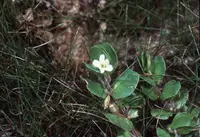
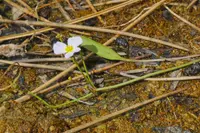
Dwarf scouringrush Care (Equisetum scirpoides)

Also known as: sedgelike horsetail, Delicate Horsetail, dwarf horsetail
Dwarf scouringrush

About Dwarf scouringrush

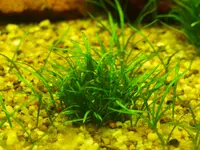
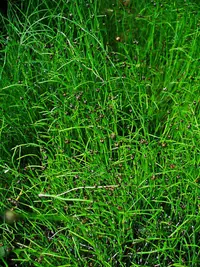
Dwarf scouringrush (Equisetum scirpoides) is a miniature horsetail species with fine, dark green, jointed stems that form tight, tufted clumps. It stays very low and compact, giving a clean, architectural look.

This species is native to cool, boggy areas of North America and northern Europe, where it grows along stream edges and in wet meadows. It prefers consistently moist to wet conditions and can tolerate shallow standing water.

Stems are evergreen in mild climates and provide year-round texture. Once the right moisture and light are provided, it is steady and low-maintenance, but dry soils or hot, exposed spots make it more challenging to care for Dwarf scouringrush.

Main Plant Requirements

Care Difficulty

Moderate Care

Light Preference

Partial Sun

Water Requirements

Aquatic

Temperature Preference

Cold Hardy

Hardiness Zone

3–9

Soil Texture

Loamy, Silty, Peaty

Soil pH

Acidic (5.5–6.5), Slightly acidic (6.5–7.0)

Soil Drainage

Waterlogged tolerant

Fertilization

Minimal (feed rarely)

Get Personalized Care Plan

Scan your plant to receive care tips personalized for your specific plant

Available on iOS and Android

How to Care for the Dwarf scouringrush

This plant is a sun-tolerant bog species that thrives with consistent light exposure.

  • Provide 4–8 hours of sun daily, ideally with morning sun and light afternoon shade to prevent scorching of slender stems.
  • Grow in full sun in cool, mild climates; in hotter regions, give filtered light or dappled shade during the strongest midday hours.
  • If stems elongate, lean, or lose color, light is too low; if tips brown or stems appear bleached, sun intensity is excessive for Dwarf scouringrush.

This species is adapted to very wet conditions and should never be allowed to dry out completely.

  • Keep soil or substrate constantly moist to saturated; in garden bogs or pond margins, standing water up to the base of stems is acceptable.
  • In containers, maintain water at or just above soil level; do not let the top 1–2 cm dry, but ensure no foul smell that suggests anaerobic, sour soil.
  • Signs of underwatering include shriveling, browning tips, and slow growth; true overwatering is rare, but rotting, mushy rhizomes indicate poor drainage or stagnant conditions.

This hardy wetland species tolerates a wide temperature range but prefers cool to mild conditions.

  • Optimal growth occurs around 55–75°F (13–24°C), especially in spring and fall when nights are cool and days are moderate.
  • Mature clumps usually survive down to about -20°F (-29°C) when crowns are in the ground or submerged, making them suitable for many temperate climates.
  • Heat above 85°F (29°C) is tolerated if roots stay cool and wet; prolonged heat with low moisture can stress plants, causing slowed growth and browning stems.

This species prefers consistently moist air but is fairly tolerant of typical home humidity.

  • Aim for 50–70% humidity to support steady shoot growth and reduce browning tips on Dwarf scouringrush.
  • In very dry air below 40%, watch for crisping stem tips and slowed new growth as signs of humidity stress.
  • Increase humidity by grouping pots on a water-filled pebble tray or placing the container near a humidifier, not by misting directly.

This species prefers constantly moist, organic-rich soil that mimics a shallow, boggy edge.

  • Use a dense mix of 60–70% peat or coco coir with compost plus 30–40% sand to stay moist yet lightly aerated.
  • Keep drainage slow, not fast; choose a potting setup that allows water to linger without leaving the roots submerged in standing water.
  • Maintain slightly acidic to neutral pH (6.0–7.0) for Equisetum scirpoides to support nutrient uptake and healthy stem color.
  • Avoid very loose, fast-draining cactus-style mixes or hard, compacted mineral soils, which cause drying, stunting, and weak growth.

This species can grow well in containers when moisture retention and stability are carefully managed.

  • Select a wide, relatively shallow container to accommodate its creeping rhizomes and prevent it from becoming root-bound in the center.
  • Choose a heavier material such as ceramic to keep the pot stable against wind and the plant’s spreading clumps.
  • Use a container with controlled drainage, such as fewer but adequate holes, so the mix stays consistently damp without forming a waterlogged reservoir.

This small horsetail species is adapted to low‑nutrient wetlands, so Dwarf scouringrush needs only light fertilization in containers.

  • Use a balanced, diluted liquid fertilizer (around 10‑10‑10 at 1⁄4 strength) for potted plants in spring and early summer.
  • Feed every 4–6 weeks during active growth if stems look pale or growth is weak.
  • Avoid rich compost layers that dry the crown; use only a thin, well‑soaked top‑dressing if desired.
  • Stop fertilizing in late summer and give no feed in winter dormancy.

Pruning Equisetum scirpoides is mainly cosmetic and helps maintain dense, tidy clumps.

  • Best time is late winter or early spring, before strong new growth begins.
  • Cut dead, broken, or bleached stems at the base using clean, sharp scissors or snips.
  • Thin crowded, leaning stems to improve air flow and keep a compact, upright look.
  • Avoid cutting all stems at once to maintain photosynthesis and steady growth.

Container‑grown horsetail benefits from occasional division and transplanting to manage spreading rhizomes.

  • Look for roots circling the pot, water draining very quickly, or crowded stems as signs it needs a larger container.
  • Plan to divide or transplant every 2–3 years in early spring, just as new shoots appear.
  • Lift the clump, gently rinse roots, and slice into sections with several healthy rhizomes and stems each.
  • Replant at the same depth, water thoroughly, then keep evenly moist and shaded for 1–2 weeks to reduce stress.

Propagation of Equisetum scirpoides is usually done by division rather than by spores.

  • Divide established clumps in early spring when new shoots are just emerging.
  • Lift the plant and separate sections with firm rhizomes and at least a few healthy stems.
  • Replant divisions into saturated, humus‑rich substrate and keep consistently wet.
  • Provide bright, indirect light and stable moisture until new growth confirms establishment.

This species is generally cold hardy, so outdoor plants in the ground need minimal winter attention.

  • In climates colder than the plant’s usual range, add a 3–5 cm mulch layer over the root zone once soil cools.
  • Allow stems that brown after frost to remain until late winter, then cut back to tidy the clump.
  • Move containers in very cold regions to a sheltered, frost‑free but cool area and keep the substrate moist, not frozen.

Care Tips

Container size control

Use a long, shallow trough or bowl without large drainage holes to contain rhizome spread, and divide the clump every 2–3 years to prevent the plant from becoming root-bound and overcrowded.

Rhizome inspection routine

Once or twice a year, gently remove the plant from its pot and check rhizomes for mushy, brown sections, trimming these with clean pruners to limit rot and encourage healthy new shoots.

Water-logging setup

Place the pot inside a slightly larger cachepot or tray that holds 2–4 cm of water so the substrate stays consistently saturated without risking overflow onto indoor surfaces.

Algae and moss management

If algae or moss start to coat the soil surface, scrape off the top 1–2 cm and replace with fresh medium to maintain aeration and reduce competition for nutrients.

Seasonal thinning

In late winter, cut out the oldest, darkened stems at the base to open the clump, improve air movement, and keep the plant visually tidy when growing Dwarf scouringrush in containers.

Common Pests and Diseases

Rust fungus

This disease causes orange to brown powdery pustules on stems and fertile shoots, often leading to weak or distorted growth. Symptoms include reduced vigor and discolored bands along the thin stems.

Solution

Remove and discard heavily infected clumps to reduce spore load, and avoid overhead watering that keeps stems wet for long periods. Improve air movement around the planting and, in severe or recurring cases, use a labeled fungicide for rust on ornamental aquatics, following directions carefully.

Leaf spot

This disease produces small dark or water-soaked lesions that can merge into irregular dead patches on stems and joint areas. Symptoms include thinning tufts and gradual dieback of affected segments.

Solution

Trim out and dispose of affected stems to limit spread, and keep water as clean as possible by removing decaying organic matter around the plant. Reduce crowding, maintain good circulation, and if the problem persists, apply a suitable fungicide for leaf spot on ornamentals after confirming the diagnosis with a local extension service if possible.

Scale insects

These insects appear as tiny, fixed bumps on stems and joints, sometimes covered with a waxy or shell-like coating. This pest feeds on plant sap, causing yellowing, stunted growth, and occasional sooty mold on nearby surfaces.

Solution

Physically remove scales by gently rubbing stems with a soft cloth or soft brush dipped in water with a small amount of mild soap, then rinse well. For persistent infestations, use a horticultural oil labeled for aquatic or marginal plants, applied in calm, cool conditions to fully coat the insects without contaminating fish or sensitive wildlife.

Spider mites

These pests are tiny, often invisible without magnification, and cause fine stippling, dull discoloration, and eventual bronzing of stems, especially in hot and dry spots. This pest can form fine webbing between the thin shoots when populations are high.

Solution

Increase humidity around the plant if grown in a container and regularly hose down stems to physically remove mites. For heavier infestations, use insecticidal soap or a light horticultural oil spray labeled for use on ornamentals, taking care to treat all sides of the stems and to repeat applications as directed.

Interesting Facts

Miniature horsetail habit

This species forms extremely small, wiry, jointed stems only a few millimeters thick, creating dense, tufted clumps that resemble a tiny version of the larger common horsetails.

Arctic and alpine native

Dwarf scouringrush occurs naturally in cool, northern and high-altitude regions across parts of North America and Eurasia, often along cold stream margins, lake shores, and wet rock outcrops.

Silica-rich stem surface

Its tough, segmented stems contain silica deposits in the outer tissues, which give them a slightly rough texture and help protect the plant from herbivores and mechanical damage.

Botan icon

Did you know?

This species is considered one of the smallest living horsetails, representing a highly miniaturized form within an ancient plant lineage that dates back more than 300 million years.

FAQs about Dwarf scouringrush

This species spreads slowly to moderately by creeping rhizomes. In constantly moist soil it can form dense clumps over time, but it is usually not invasive if given a defined planting area or container boundaries.

Grow Healthy Plants with Botan Care

Keep your plants happy and healthy with plant identification, disease detection, and easy care guidance.

Botan plant care app — identify plants on mobile

Explore More Plants