Moore's Horsetail Care (Equisetum × moorei)

Moore's Horsetail

About Moore's Horsetail

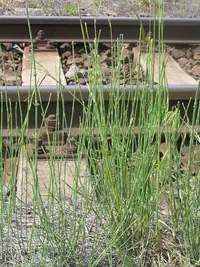
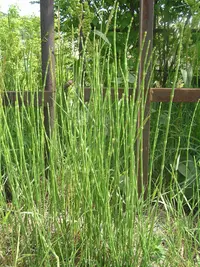
Moore's horsetail, Equisetum × moorei, is a perennial fern ally with upright, jointed stems and a bamboo-like look. It forms dense clumps that spread slowly by underground rhizomes.

This hybrid species is typically found in damp sites such as stream banks, ditches, and wet meadows in parts of Europe. It prefers consistently moist conditions and does not tolerate drying out for long periods.

The plant is generally robust, cold hardy, and resistant to most pests, but its spreading habit can make it challenging in small spaces. Understanding how to care for Moore's Horsetail starts with choosing a contained, wet location and allowing room for its natural growth pattern.

Main Plant Requirements

Care Difficulty

Moderate Care

Light Preference

Partial Sun

Water Requirements

Aquatic

Temperature Preference

Cool Climate

Hardiness Zone

5–9

Soil Texture

Loamy, Silty, Organic-rich

Soil pH

Slightly acidic (6.5–7.0), Neutral (7.0)

Soil Drainage

Waterlogged tolerant

Fertilization

Minimal (feed rarely)

Get Personalized Care Plan

Scan your plant to receive care tips personalized for your specific plant

Available on iOS and Android

How to Care for the Moore's Horsetail

This hybrid horsetail prefers consistently bright conditions similar to open stream banks or pond margins.

  • Provide 4–6 hours of sun daily with morning sun and light afternoon shade; strong late-day sun can scorch young stems, especially in hot summers.
  • It tolerates partial shade (2–4 hours of direct light) but grows denser and more upright with higher light, especially in cooler climates.
  • In hot regions, use filtered light from overhanging shrubs or structures; monitor for pale, elongated stems as a sign of insufficient light when caring for Moore's Horsetail.

This moisture-loving species needs constantly wet conditions and does not tolerate drying out.

  • Maintain soil or substrate saturated or very wet; do not allow the top layer to dry or crack, especially along pond edges or in bog gardens.
  • Increase water input in warm, windy weather to prevent drooping, browning tips, or shrinking stems, which indicate underwatering in Equisetum × moorei.
  • Watch for foul odor, slimy rhizomes, or yellowing lower segments as signs of stagnant, oxygen-poor water; gentle flow or frequent refreshment prevents this in standing sites.

This hardy, rhizomatous plant tolerates a wide outdoor temperature range once established.

  • Optimal growth occurs around 55–75°F (13–24°C), especially in spring and early summer when soil stays cool and wet.
  • The plant is generally frost hardy, with rhizomes surviving drops to about 10–15°F (-12– -9°C) if submerged or well mulched, though top growth may die back.
  • Heat tolerance extends to about 90°F (32°C) if roots remain in cool, saturated soil; in hotter periods, increased water and some shade reduce stress and stem scorch.

This species prefers consistently moist air similar to boggy habitats but adapts to typical outdoor humidity.

  • Aim for 50–80% humidity, especially in warm, windy sites where stems dry quickly.
  • In very dry air, stems may brown at the tips and feel papery, with slowed new shoot production.
  • Increase humidity outdoors by grouping containers, using wide saucers filled with water and pebbles, or positioning near ponds or water features.

This semi-aquatic species thrives in saturated, heavy, organic-rich substrates rather than standard potting mixes.

  • Use a dense mix of 60–80% clay or loam topsoil with added compost, with little or no perlite so it stays wet.
  • Ensure the container or bed holds water; slow-draining conditions are ideal for Equisetum × moorei, unlike most garden plants.
  • A slightly acidic to neutral pH around 6.0–7.0 supports nutrient availability and healthy shoot growth.
  • Avoid sandy, fast-draining substrates and raised beds that dry out quickly, which cause weak, sparse stems and stress.

This species is suitable for container growing, especially where its spread needs control.

  • Choose a deep, heavy pot to anchor the tall, reed-like stems and prevent tipping in wind.
  • Use a cachepot or outer tray without drainage holes to deliberately maintain a shallow water reservoir around the inner pot.
  • Select rigid materials like thick plastic or glazed ceramic so rhizomes cannot easily deform or crack the container as they expand.

This horsetail hybrid has low nutrient demands and often grows well with minimal feeding in rich, moist soil.

  • In poor or sandy soils, use a balanced 10-10-10 or 14-14-14 slow-release fertilizer at half strength at the start of spring.
  • Alternatively, work a thin layer of well-rotted compost into the top 2–3 cm of soil once per year for Moore's Horsetail.
  • During the main growing season, one light additional application of diluted liquid balanced fertilizer can support denser stems.
  • Stop feeding in late summer so growth can harden before winter and avoid stimulating weak, cold-sensitive shoots.

Equisetum × moorei benefits from light, targeted pruning to keep dense stands tidy and within bounds.

  • Best timing is late winter or very early spring before strong new growth begins.
  • Cut dead, brown, or storm-damaged stems at ground level using clean, sharp hand pruners or shears.
  • Thin crowded or leaning stems in clumps to improve airflow and maintain a uniform, vertical appearance.
  • Remove unwanted spreading shoots at the edges of plantings to restrain spread and define clear borders.

This vigorous rhizomatous plant is usually grown in the ground, where careful transplanting controls spread and maintains vigor.

  • Plan transplanting for early spring or early fall when temperatures are mild and soil stays evenly moist.
  • Look for dense, congested clumps, diminished stem height, or rhizomes pushing beyond barriers as signs it needs division and relocation.
  • Lift clumps with a spade, gently tease apart rhizomes, trim broken roots, and replant at the same depth into prepared, wet soil.
  • Water thoroughly after transplanting, shade for several days if possible, and keep soil consistently moist to limit transplant shock.

Equisetum × moorei is commonly propagated by division, taking advantage of its spreading rhizome system.

  • Carry out division in early spring as new shoots emerge or in early fall while soil is still warm.
  • Use a spade or garden fork to lift a portion of the clump, then cut rhizomes into sections with several healthy buds each.
  • Replant divisions immediately into consistently moist, organic-rich soil, spacing them to allow for lateral spread.
  • Firm soil around divisions, water thoroughly, and maintain high moisture and partial sun to encourage rapid establishment.

This horsetail hybrid is generally cold hardy in temperate climates and typically needs little specific winter care in the ground.

  • In regions colder than its usual hardiness range, apply a 5–8 cm mulch layer to insulate rhizomes from deep freezes.
  • Allow top growth to brown naturally, then cut back dead stems in late winter or early spring rather than fall.
  • For container-grown plants in cold areas, move pots to a sheltered, frost-free but cool location and keep soil lightly moist.

Care Tips

Contain Spreading Rhizomes

Install a strong root barrier 30–45 cm deep around planting areas or use a heavy, solid-bottom container sunk into the ground to keep the rhizomes from invading nearby beds and lawn.

Use Shallow Water Zones

Position containers or baskets in 5–10 cm of water at the edge of a pond or water feature so the crowns stay just above the waterline while roots remain constantly moist but not deeply submerged.

Renew Older Canes

Every 2–3 years, thin out older, dull or damaged canes at the base in late winter to stimulate dense new shoots and maintain a clean, upright appearance when growing Moore's Horsetail.

Rinse Dust And Algae

Periodically hose or shower the stems from top to bottom to remove dust, algae, and debris that can reduce photosynthesis and encourage fungal spotting, especially in still or humid air.

Stabilize In Wind

In exposed sites, group several pots tightly or secure a low, discreet ring support around clumps so tall hollow stems do not kink or snap in strong gusts while still allowing natural sway.

Common Pests and Diseases

Rust fungus

This disease causes orange to brown pustules or dusty patches on stems and sterile shoots, especially in humid, crowded stands. Symptoms include weakened, discolored stems that may dry prematurely.

Solution

Remove and destroy heavily infected stems to reduce spore load, then thin dense clumps to improve airflow and lower humidity. Avoid overhead watering and, if needed, apply a labeled rust-control fungicide to emerging shoots in early spring following Moore's Horsetail care instructions from the product label and local extension sources.

Stem blight

This disease produces dark, sunken lesions on stems that can girdle and kill sections of the shoot. Symptoms include blackening and collapse of affected culms, often starting near mechanical damage or waterlogged areas.

Solution

Cut out and dispose of blighted stems down to healthy tissue and keep tools clean between cuts. Improve drainage, avoid wounding shoots, and if blight recurs repeatedly, consider a preventative fungicide labeled for blight on ornamental perennials, applied according to local guidelines.

Aphids

These insects cluster on tender shoot tips and joints and suck plant sap, causing distorted new growth and sticky honeydew on stems. This pest can encourage sooty mold growth on the honeydew in still, humid conditions.

Solution

Wash aphids off with a strong stream of water and repeat as needed, focusing on shoot tips and nodes. For persistent infestations, treat stems with insecticidal soap or horticultural oil, ensuring thorough coverage and avoiding application in direct hot sun to reduce plant stress.

Spider mites

These pests thrive in hot, dry conditions and feed by piercing stem surfaces, leading to dull, stippled tissue and fine webbing between stems. Symptoms include a general faded appearance and premature drying of sections of the clump.

Solution

Increase humidity around the planting and hose down stems regularly to dislodge mites and break webbing. For heavier infestations, apply horticultural oil or a labeled miticide, making sure to coat all stem surfaces and repeating as directed to catch new hatchlings.

Scale insects

These insects appear as small, fixed, oval or dome-shaped bumps along stems and joints, where they suck sap. This pest weakens shoots over time and produces honeydew that can attract ants or support sooty mold.

Solution

Physically scrape or rub off light infestations using a soft brush or cloth, then rinse stems with water. For larger colonies, use horticultural oil during mild weather to smother scales, and monitor regularly to remove any surviving individuals early.

Interesting Facts

Hybrid origin history

This horsetail is a naturally occurring hybrid between the European species Equisetum hyemale and Equisetum ramosissimum, first described from plants found in cultivation in the 19th century. Its intermediate morphology helped botanists clarify relationships within the horsetail group.

Distinctive branching pattern

Compared with its parent Equisetum hyemale, this hybrid typically shows more frequent and sometimes irregular side branches along the upright green stems. This branching pattern gives it a denser, more architectural appearance often used in designed plantings.

Limited natural distribution

Equisetum × moorei is known mainly from scattered sites in western and central Europe, where the parent species grow close enough to hybridize. It is much less widespread than either parent and is often associated with disturbed or semi-natural wet habitats influenced by human activity.

FAQs about Moore's Horsetail

This species spreads by creeping rhizomes and can form dense stands over time. In moist, open ground it is considered vigorous and potentially invasive, so many gardeners limit it with root barriers or containers when growing Moore's Horsetail.

Grow Healthy Plants with Botan Care

Keep your plants happy and healthy with plant identification, disease detection, and easy care guidance.

Botan plant care app — identify plants on mobile

Explore More Plants