Root-zone protection
Top-dress around the plant with a 1–2 cm layer of fine gravel or coarse sand to keep stems dry at the base, reduce rot risk, and prevent soil from splashing onto the leaves during watering.

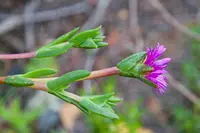
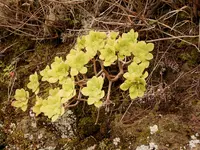
Common spoonfig (Erepsia anceps) is a small, shrubby succulent from the fynbos regions of South Africa. It typically forms low, branching mounds with fleshy, spoon-shaped leaves. In suitable conditions it produces bright, daisy-like flowers that open in sun and give good seasonal color. Growth is compact and neat, which makes it suitable for rock gardens, containers, and dry borders in mild climates. This species prefers bright light, sharp drainage, and relatively dry conditions, which keeps maintenance low but demands good protection from excess moisture. Understanding how to care for Common Spoonfig mainly involves providing strong light, airy soil, and avoiding prolonged cold or waterlogged roots.

Care Difficulty
Moderate Care

Light Preference
Full Sun

Water Requirements
Low Water

Temperature Preference
Tropical / Frost Sensitive

Hardiness Zone
10–11

Soil Texture
Sandy, Loamy, Rocky

Soil pH
Slightly acidic (6.5–7.0), Neutral (7.0)

Soil Drainage
Well-drained

Fertilization
Minimal (feed rarely)
Scan your plant to receive care tips personalized for your specific plant
Available on iOS and Android
This South African succulent thrives in bright, open conditions with strong light.
This species prefers infrequent, deep watering with plenty of time to dry between soakings.
This succulent is adapted to mild, dry conditions and dislikes hard frost or prolonged humidity.
This South African succulent prefers dry indoor air and does not need added humidity.
This species needs very fast-draining, sandy soil to prevent root rot.
This succulent is well suited to container growing outdoors in mild climates or in bright indoor spots.
This succulent from nutrient-poor habitats needs only modest feeding for healthy growth.
Pruning Erepsia anceps is mainly used to maintain a compact, flowering mound and remove weak growth.
Container-grown plants benefit from occasional transplanting to refresh the gritty, free-draining mix.
This species is commonly propagated to maintain desirable forms and expand plantings.
This succulent is not very frost tolerant and needs thoughtful winter management in cooler climates.

Plant Health Check
Not sure what's wrong with your plant? Check your plant's health inside the app.
This succulent is native to the winter‑rainfall regions of South Africa’s Western Cape, where it grows on rocky sandstone slopes and times its main growth and flowering to the cool, moist season rather than summer.
The plant produces numerous small, magenta to pink, daisy‑like flowers with many narrow petals that open in bright light and close in dull conditions, a typical behavior of ice plants adapted to high‑sun habitats.
Its branching, somewhat woody stems form low, spreading mats that help anchor the plant in shallow, stony soils and reduce surface erosion on exposed slopes.

Erepsia anceps belongs to the Aizoaceae family, a group often called ice plants, which is notable for highly specialized water‑storing tissues and tiny crystal cells in the leaves that can give many species a glistening, ice‑like appearance in strong light, an adaptation linked to intense sun and drought in its native habitats.
Sparse or absent flowering often comes from insufficient light, nutrient-poor or very old soil, or heavy pruning at the wrong time. Allow strong sun, use a low-phosphorus, balanced feed, and prune lightly after flowering only.
Keep your plants happy and healthy with plant identification, disease detection, and easy care guidance.