Self-seeding management
Leave some spent flower heads on the plant until they fluff into seed to encourage natural reseeding, but deadhead others promptly so you can control where new plants appear next season.

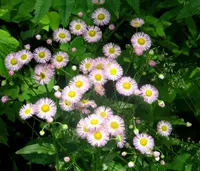
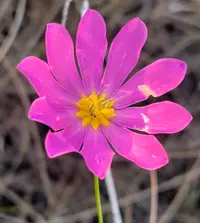
Philadelphia fleabane (Erigeron philadelphicus) is a small, short-lived perennial wildflower in the daisy family. It often behaves like a biennial, forming a low rosette before sending up flowering stems. Plants carry many small, pink to white, yellow-centered flower heads with very fine, threadlike petals, giving them a soft, fuzzy look in bloom. Stems are usually slender and leafy, creating a loose, informal clump. This species is native to much of North America and commonly appears in meadows, roadsides, open woods, and disturbed ground. It adapts easily to average garden soils, especially in full sun to light shade with moderate moisture. These traits make it simple to establish in naturalistic plantings, and it is generally straightforward to care for Philadelphia fleabane.

Care Difficulty
Easy Care

Light Preference
Full Sun

Water Requirements
Moderate Water

Temperature Preference
Cold Hardy

Hardiness Zone
3–8

Soil Texture
Sandy, Loamy, Silty

Soil pH
Acidic (5.5–6.5), Slightly acidic (6.5–7.0)

Soil Drainage
Moist but well-drained

Fertilization
Minimal (feed rarely)
Scan your plant to receive care tips personalized for your specific plant
Available on iOS and Android
This sun-loving wildflower thrives in open, bright conditions but tolerates some shade.
This species prefers consistently moist, well-drained soil rather than extremes of dryness or saturation.
This hardy perennial tolerates a wide temperature range typical of temperate climates.
Humidity is rarely a limiting factor for Philadelphia fleabane grown outdoors in typical US climates.
This species prefers moderately fertile, well-drained soil that does not stay waterlogged.
This species can be grown in containers if drainage and root space are managed carefully.
This adaptable wildflower needs only light feeding in average garden soil, so focus on modest support during active growth.
Erigeron philadelphicus benefits from simple, timely pruning to maintain tidy growth and extend flowering.
This species is usually grown in the ground, so guidance focuses on transplanting clumps rather than frequent repotting.
Erigeron philadelphicus is commonly propagated by seed and division, which match its natural growth habit.
This hardy perennial usually needs minimal winter care in most temperate climates.

Plant Health Check
Not sure what's wrong with your plant? Check your plant's health inside the app.
This species is naturally associated with moist meadows, ditches, stream banks, and wet fields in eastern and central North America, where it often forms loose colonies in seasonally saturated soils that many other asters cannot tolerate.
The flower heads bear well over 100 very narrow, threadlike ray florets around a yellow center, giving each bloom a soft, fringed appearance distinct from most related fleabane species that have fewer, wider rays.
Blooming typically begins in late spring and can extend into early summer, providing one of the earlier and more reliable nectar and pollen sources for native bees, syrphid flies, and small butterflies in its range.
This species self-seeds freely and can form loose colonies, especially in open, moist soil. It is usually manageable in home gardens if spent flowers are deadheaded and unwanted seedlings are pulled before they establish.
Keep your plants happy and healthy with plant identification, disease detection, and easy care guidance.