Stable water depth
In container or bog setups, keep the crown just above a consistent waterline by using an inner nursery pot set inside a watertight cachepot so you can fine-tune depth without disturbing roots.

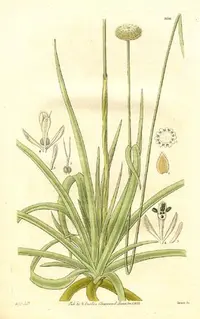
Tenangle pipewort, Eriocaulon decangulare, is a small, grass-like wetland plant known for its tufted foliage and rounded, button-like flower heads on slender stalks. It typically forms low clumps that stand out in bogs, marsh edges, and other nutrient-poor, acidic wetlands in the eastern United States.
The plant is adapted to saturated, low-nutrient conditions and does not tolerate drying out or heavy disturbance. Because of these specialized needs, how to care for tenangle pipewort can be challenging outside a controlled bog garden or aquatic setup.
It generally prefers consistent moisture, very lean acidic substrates, and unshaded to lightly filtered light, which reflect its natural habitat conditions.

Care Difficulty
Hard Care

Light Preference
Full Sun

Water Requirements
Aquatic

Temperature Preference
Warm Climate

Hardiness Zone
5–9

Soil Texture
Sandy, Peaty, Organic-rich

Soil pH
Strongly acidic (4.5–5.5), Acidic (5.5–6.5)

Soil Drainage
Waterlogged tolerant

Fertilization
Minimal (feed rarely)
Scan your plant to receive care tips personalized for your specific plant
Available on iOS and Android
This wetland species needs consistent, bright exposure but is sensitive to harsh drying sun.
This species naturally grows in saturated soils and requires constant moisture to stay healthy.
This aquatic or bog plant prefers mild, frost-free conditions for sustained growth.
This wetland species needs constantly moist conditions and high humidity to perform well.
Eriocaulon decangulare thrives in saturated, oxygen-poor substrates that mimic acidic bogs.
This species can be grown in containers when the setup maintains a consistently waterlogged root zone.
This wetland species needs modest feeding, as it is adapted to nutrient-poor conditions.
Pruning needs for Eriocaulon decangulare are light and mainly hygienic.
This species is usually grown in bogs or shallow water, so focus on careful transplanting rather than frequent repotting.
Eriocaulon decangulare is most often propagated by division, with seed raising reserved for experienced growers.
This species is hardy in many mild to moderately cold climates but still benefits from considered winter care.

Plant Health Check
Not sure what's wrong with your plant? Check your plant's health inside the app.
This species is native mainly to the coastal plain of the southeastern United States, where it grows in acidic, nutrient-poor wetlands such as bogs, savannas, and wet pinelands from New Jersey south to Florida and west to Texas.
The plant produces numerous tiny, unisexual flowers densely packed into small, button-like heads on slender stalks, a typical feature of the pipewort family that allows efficient wind pollination in open wetland habitats.
Its presence often indicates persistently wet, acidic, low-nutrient soils, so botanists use it as a field clue when characterizing bog and wet savanna ecosystems.

This species frequently grows alongside carnivorous plants such as Sarracenia (pitcher plants) and Drosera (sundews) in nutrient-poor bogs, forming part of a distinctive wetland community adapted to extremely low soil fertility.
Lack of flowering usually comes from insufficient light, water that is not consistently wet, or low nutrients. Ensure saturated, low-mineral conditions, moderate feeding, and avoid disturbance of the root zone during the growing season to support bud formation.
Keep your plants happy and healthy with plant identification, disease detection, and easy care guidance.