giant white fawnlily Care (Erythronium oregonum)

Also known as: giant fawn lily, Oregon fawn-lily
giant white fawnlily

About giant white fawnlily

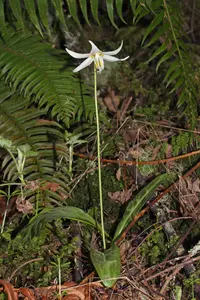
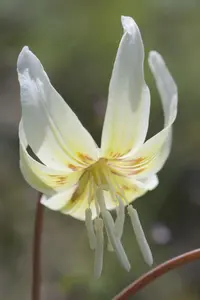
Giant white fawnlily (Erythronium oregonum) is a spring-blooming bulbous perennial from the lily family. It forms low clumps of broad, often mottled leaves. In early spring, each arching stem carries one or two nodding white flowers with yellow centers that age to soft pink, giving a delicate woodland look. Plants go dormant soon after flowering. Erythronium oregonum is native to moist woodlands and open forests of the Pacific Northwest, often growing in partial shade with cool, humus-rich soil. It is not difficult but can be slow to establish, and it dislikes disturbance once planted. Gardeners who learn how to care for giant white fawnlily usually have better long-term success.

Main Plant Requirements

Care Difficulty

Moderate Care

Light Preference

Partial Shade

Water Requirements

Moderate Water

Temperature Preference

Cold Hardy

Hardiness Zone

5–8

Soil Texture

Loamy, Sandy, Organic-rich

Soil pH

Acidic (5.5–6.5), Slightly acidic (6.5–7.0)

Soil Drainage

Moist but well-drained

Fertilization

Minimal (feed rarely)

Get Personalized Care Plan

Scan your plant to receive care tips personalized for your specific plant

Available on iOS and Android

How to Care for the giant white fawnlily

This woodland bulb prefers cool, filtered light that mimics dappled forest shade.

  • Provide bright, dappled shade or light morning sun with 1–3 hours of direct light, then shade for the rest of the day.
  • Site giant white fawnlily under deciduous trees so it receives more light in early spring before leaf-out, then partial shade as the canopy fills.
  • Avoid hot afternoon sun, which can scorch leaves; too much deep shade leads to weak, floppy growth and reduced flowering.

This spring ephemeroid needs moist but not waterlogged soil during active growth, then drier conditions in summer dormancy.

  • From late winter to late spring, keep soil evenly moist; allow the top 2–3 cm to dry slightly before the next watering in garden or woodland beds.
  • Ensure sharply draining, humus-rich soil; persistent puddling, sour smell, or soft bulbs indicate overwatering and risk of rot.
  • Reduce or stop supplemental watering once foliage yellows and dies back, resuming moisture only when new shoots appear the next late winter or early spring.

This species thrives in cool, temperate climates with mild summers and moist, cool springs.

  • Optimal growth occurs in spring at 45–60°F (7–16°C), with buds and flowers tolerating brief dips close to 32°F (0°C).
  • Dormant bulbs withstand winter cold down to about 10–15°F (-12 to -9°C) if soil is well drained and mulched.
  • Prolonged heat above 80°F (27°C) dries soil quickly; provide shade, organic mulch, and consistent spring moisture to prevent stress before dormancy.

This woodland bulb tolerates typical outdoor humidity and rarely needs special humidity management.

This woodland perennial prefers cool, moist, humus-rich soil that drains freely yet does not dry out quickly.

  • Use a loose, crumbly loam with high organic matter from leaf mold, compost, or fine bark to mimic forest floor conditions.
  • Ensure drainage is fast by avoiding heavy clay; amend dense ground with coarse sand or fine grit to improve aeration.
  • Keep soil consistently moist but never waterlogged; standing water around bulbs leads to rot and weak growth in Erythronium oregonum.
  • Aim for slightly acidic to neutral pH, roughly 6.0–7.0, which supports nutrient availability and healthy root development.

This species can be grown in containers, but it is more demanding than in the ground and needs careful moisture and temperature management.

  • Choose a tall, deep pot so bulbs can sit 10–15 cm below the surface, which helps keep them cool and stable through seasonal temperature changes.
  • Use a thick-walled clay or ceramic container that moderates soil temperature swings and slightly reduces water retention compared with plastic.
  • Stand the pot on risers or feet so drainage holes stay clear and excess water escapes quickly after rain or irrigation, preventing bulb rot.

Erythronium oregonum is a woodland bulb that needs minimal feeding in reasonably rich soil.

  • For poor or sandy soils, mix in a light layer of compost or leaf mold over the planting area each autumn.
  • In containers, use a low-dose balanced fertilizer (around 5-5-5) at half strength once in early spring only.
  • Avoid high-nitrogen products, which push weak foliage and reduce flowering in giant white fawnlily.
  • Do not feed during summer dormancy or winter, as bulbs are resting and excess nutrients may cause rot.

Pruning needs for Erythronium oregonum are minimal and focus on tidiness and bulb health.

  • After flowering, remove only spent flower stalks with clean scissors or hand pruners, leaving the leaves intact.
  • Allow foliage to yellow and wither naturally; cut it at soil level only once fully dry to recharge the bulb.
  • Gently pull away dead or diseased leaves during the season to improve airflow and reduce fungal problems.
  • Avoid cutting green foliage, which reduces energy storage and can weaken next year’s flowering.

This species is usually grown in the ground, and transplanting mature bulbs is done infrequently and with care.

  • Plan to lift and move clumps only every several years, when flowering declines or bulbs become crowded.
  • Transplant in late summer to early autumn, when foliage is gone and bulbs are dormant, to limit stress.
  • Dig widely around the clump, keep soil attached, and handle bulbs gently to avoid bruising the fleshy scales.
  • Replant at the same depth in a cool, humus-rich, well-drained spot, then water once to settle the soil.

Erythronium oregonum is propagated mainly by division of bulbs and by seed for patient growers.

  • Divide mature clumps in late summer dormancy, carefully separating offsets from the parent bulb.
  • Replant offsets immediately at the same depth in moist, humus-rich, well-drained soil and water lightly.
  • For seeds, sow fresh in pots or trays outdoors in autumn, using a gritty woodland-type mix.
  • Provide cool, evenly moist conditions; germination can be slow, and seedlings may need several years to flower.

This woodland bulb is cold hardy in much of its range and usually needs little specific winter care.

  • In-ground plants tolerate typical frosts once established, as bulbs rest below the soil surface.
  • Apply a thin mulch of leaves or compost in late autumn to buffer temperature swings and soil heaving.
  • In colder regions or exposed sites, keep mulch light so crowns do not stay waterlogged over winter.
  • Container-grown bulbs benefit from moving pots into a cold, sheltered spot such as an unheated garage.

Care Tips

Mark Dormant Clumps

Tag planting spots with unobtrusive labels in late spring so you do not disturb the shallow bulbs while digging or weeding once the foliage has disappeared.

Summer Mulch Management

Apply a light, airy mulch such as shredded leaves after flowering to keep the soil cool and moist, but pull it back slightly in fall to allow new shoots to emerge easily.

Gentle Division Timing

Divide overcrowded clumps only when flowering declines, lifting and separating bulbs just after foliage dies back and replanting them immediately at the same depth to reduce transplant shock.

Slugs And Snails Barrier

Use copper tape, abrasive grit, or hand-picking in the evening around emerging shoots in early spring to prevent slugs and snails from shredding the young leaves and flowers.

Woodland Companion Planting

Combine plants with similar moisture and shade needs, such as ferns and hostas, to create a stable woodland microclimate that supports long-term Erythronium oregonum care without frequent intervention.

Common Pests and Diseases

Slugs and snails

This pest is strongly attracted to the tender spring leaves and flower stalks of giant white fawnlily and can quickly shred emerging growth.

Solution

Hand-pick at dusk or early morning, use iron phosphate bait around clumps, and place copper tape or rough barriers to reduce access; encourage leaf litter only in autumn and keep immediate planting zones relatively clear during active growth to lower hiding spots.

Botrytis blight

This disease, caused by Botrytis fungi, can attack flowers and leaves in cool, wet springs, leading to spotting, collapse of tissues, and gray fuzzy mold on affected parts.

Solution

Remove and discard all blighted flowers and leaves, avoid overhead watering, space bulbs so foliage dries quickly, and in areas with repeated issues consider a preventive fungicide labeled for ornamental bulbs applied at leaf emergence as part of Erythronium oregonum care.

Bulb rots

This disease complex, caused by soilborne fungi and bacteria, leads to soft, discolored, foul-smelling bulbs that fail to sprout or produce weak, stunted shoots.

Solution

Lift and discard any soft or rotting bulbs, improve drainage with gritty organic soil amendments, avoid planting in heavy compacted sites, and replant only firm, healthy bulbs at the correct depth in ground that does not stay waterlogged in winter.

Interesting Facts

Early spring specialist

This species is a true spring ephemeral, emerging and flowering very early in the year, then quickly going dormant and disappearing above ground by early summer once its bulb has stored enough energy.

Ant-assisted seed dispersal

Its seeds bear a small, fleshy food body called an elaiosome that attracts ants; ants carry the seeds to their nests, eat the elaiosomes, and leave the hard seeds in nutrient-rich, protected sites where they can germinate.

Distinctive mottled leaves

The broad basal leaves show characteristic marbled patterns of green and brown or purple, which help camouflage them on the forest floor covered with leaf litter in their native Pacific Northwest habitats.

Botan icon

Did you know?

Indigenous communities in the Pacific Northwest traditionally harvested the underground bulbs of this species as a seasonal food source, timing collection carefully so natural populations remained sustainable over many years.

FAQs about giant white fawnlily

This species usually flowers in early to mid-spring, often from March to April depending on climate. Blooming is brief, typically 2–4 weeks, before foliage also starts to fade as the bulb enters dormancy.

Grow Healthy Plants with Botan Care

Keep your plants happy and healthy with plant identification, disease detection, and easy care guidance.

Botan plant care app — identify plants on mobile

Explore More Plants