mountain-ash Care (Eucalyptus regnans)

Also known as: Swamp gum, Stringy gum, Tasmanian oak, Victorian ash, Australian Mountain Ash, Giant Gum
mountain-ash

About mountain-ash

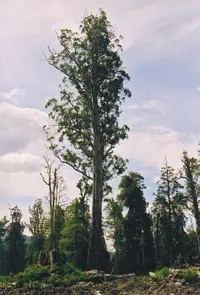
Mountain-ash, or Eucalyptus regnans, is a very fast-growing evergreen tree native to cool, high-rainfall regions of southeastern Australia and Tasmania. In nature it can reach exceptional heights, forming tall, straight trunks with a narrow crown. Bark is usually smooth and pale, with long ribbons of shed bark around the base, and leaves are lance-shaped and aromatic when crushed. This species prefers cool, moist, well-drained sites and is sensitive to prolonged drought and very hot, dry winds, which makes it challenging in many home gardens. Those who want to learn how to care for mountain-ash should focus on suitable climate, reliable moisture, and ample space for its vigorous growth.

Main Plant Requirements

Care Difficulty

Hard Care

Light Preference

Full Sun

Water Requirements

Moderate Water

Temperature Preference

Cool Climate

Hardiness Zone

8–10

Soil Texture

Loamy, Sandy, Organic-rich

Soil pH

Acidic (5.5–6.5), Slightly acidic (6.5–7.0)

Soil Drainage

Moist but well-drained

Fertilization

Minimal (feed rarely)

Get Personalized Care Plan

Scan your plant to receive care tips personalized for your specific plant

Available on iOS and Android

How to Care for the mountain-ash

Eucalyptus regnans needs abundant direct sun to reach full height and maintain strong growth.

  • Provide 6–8 hours of direct sun daily; full sun from morning through late afternoon is ideal for young trees.
  • Tolerates light partial shade, especially with morning sun and light afternoon shade, but prolonged shade reduces growth rate and trunk strength.
  • In hot inland summers, protect young mountain-ash from intense late-afternoon sun to limit leaf scorch, while ensuring winter exposure stays as open and bright as possible.

Watering for Eucalyptus regnans focuses on deep, infrequent soaking once roots are established.

  • For young trees, water when the top 5–8 cm of soil feels dry, applying a slow, deep soak that moistens the root zone rather than frequent light sprinkling.
  • Use fast-draining soil; persistent surface wetness, sour smell, or yellowing leaves indicate overwatering and possible root stress.
  • Reduce watering in cool seasons, increasing only during prolonged heat or drought if leaves droop, curl inward, or show premature shedding.

This species prefers mild, cool-temperate conditions with protection from hard frost and extreme heat.

  • Optimal growth occurs around 55–75°F (13–24°C), with best performance in regions that rarely experience very hot or very cold extremes.
  • Tolerates brief drops to about 23–25°F (-5 to -4°C), but repeated or lower frosts can damage new shoots and thin bark.
  • In hot summers above 90°F (32°C), expect some stress; provide mulch and avoid additional heat reflection from nearby hard surfaces.

Eucalyptus regnans prefers relatively low to moderate humidity and generally tolerates typical indoor air well.

  • Aim for 30–50% humidity, as higher levels combined with poor air movement increase fungal disease risk.
  • Dry indoor air is usually tolerated, but prolonged very low humidity can cause leaf edge browning and fine leaf drop.
  • Increase humidity only slightly, if needed, with a nearby water tray or grouped plants rather than misting, which can promote foliar fungi on mountain-ash.

Eucalyptus regnans grows best in deep, well-aerated, fast-draining mineral soil.

  • Use a sandy or loamy mix with some fine bark and coarse sand or grit to keep structure open and prevent waterlogging.
  • Aim for slightly acidic to neutral pH, roughly 6.0–7.0, avoiding strongly alkaline mixes that can limit nutrient availability.
  • Incorporate modest amounts of compost only; overly rich, peat-heavy media stay wet and encourage weak, lush growth and root problems.
  • For containers, ensure extra drainage with added perlite or pumice so water moves quickly through the root zone.

This species is only marginally suitable for containers and is best kept small and temporary when grown in pots.

  • Choose a tall, heavy pot to counter the fast, top-heavy growth and reduce the risk of the container tipping in wind.
  • Use a mineral-based, very free-draining mix so the large root system receives ample oxygen despite the confined space.
  • Position the container where strong winds are broken by a wall or structure, since the tall canopy acts like a sail and stresses the root anchor.

Eucalyptus regnans in the ground usually needs minimal feeding in reasonably fertile soil.

  • Use a light application of balanced slow-release fertilizer (around 10-10-10) in early spring if growth is weak or soil is poor.
  • Apply a thin layer of well-rotted compost over the root zone once a year to support soil structure and biology when caring for mountain-ash.
  • During late spring–summer, avoid more than 1–2 light feedings; excess nitrogen causes lanky, weak growth.
  • Stop fertilizing in late summer so new shoots harden before winter, and avoid liquid feeds stronger than half the label rate.

Pruning Eucalyptus regnans focuses on safety, structure, and clearance rather than heavy shaping.

  • Carry out main pruning in late winter–early spring before active growth, avoiding very hot or very dry periods.
  • Remove dead, damaged, rubbing, or inward-growing branches first to reduce disease entry points and improve airflow.
  • Thin or shorten lower side branches to raise canopy height and guide a single strong leader where space is limited.
  • Use clean, sharp bypass loppers or a pruning saw, making smooth cuts just outside the branch collar without leaving stubs.

Young Eucalyptus regnans is often started in containers, then transplanted outdoors once established.

  • Transplant in late winter–early spring while the tree is small and roots are not yet circling the pot or causing severe binding.
  • Check for roots emerging from drainage holes, circling the container, or stalling top growth as signs it has outgrown its pot.
  • Transplant every 1–2 years in youth, stepping up only 1 pot size and using a free-draining, low-fertilizer mix to limit shock.
  • Water thoroughly before and after moving, gently tease circling roots, keep the root ball shaded and moist on the day of transplant, and stake only if necessary.

Eucalyptus regnans is mainly propagated from seed, which is more reliable than cuttings for this species.

  • Collect or purchase fresh, viable seed and sow in late winter–early spring for best germination.
  • Use a shallow tray with a sandy, free-draining mix; press seed onto the surface and barely cover with fine grit or mix.
  • Maintain 65–75°F, bright indirect light, and consistently lightly moist but never waterlogged conditions until seedlings emerge.
  • Once seedlings have several true leaves, prick out carefully into individual cells or small pots to avoid root damage.

Established Eucalyptus regnans is only moderately frost tolerant and needs help in colder regions.

  • In climates below about 15–20°F, grow it in a very sheltered spot or as a temporary container tree while young.
  • Apply a 5–8 cm mulch layer around the root zone in late fall, keeping mulch slightly away from the trunk.
  • For small trees, use breathable frost cloth over the crown during hard freezes, securing it to prevent wind damage.
  • Move container-grown plants to an unheated but frost-free, very bright space for the coldest part of winter.

Care Tips

Shelter From Wind

Plant young trees in a position protected from strong prevailing winds or use windbreak netting for the first 2–3 years to reduce stem whipping and root rock, which can severely slow establishment.

Deep Root Encouragement

For the first few seasons, water less frequently but deeply and avoid regular shallow watering so roots are encouraged to grow down, improving drought resilience and long-term stability.

Trunk Protection

Install a light-colored tree guard or wrap loosely with a breathable trunk sleeve for the first 1–2 years to protect the thin bark from sunscald, mechanical damage, and browsing animals.

Single-Leader Training

While the tree is young, select one strong vertical stem as the main leader and remove competing co-dominant shoots early to build a straight, structurally sound trunk suitable for future height.

Mulch Management

Apply a 5–8 cm ring of coarse organic mulch around but not touching the trunk to moderate soil temperature, conserve moisture, and suppress weeds, and refresh this layer yearly as it decomposes to support long-term Eucalyptus regnans plant care.

Common Pests and Diseases

Myrtle rust

This disease causes bright yellow powdery spores on young leaves, shoots, and stems, followed by leaf deformation and dieback. Symptoms include premature leaf drop and thinning of the canopy on young trees and nursery plants.

Solution

Remove and destroy heavily infected young shoots and nearby fallen leaves, and avoid overhead watering to reduce leaf wetness duration. Improve spacing and airflow, keep nearby Myrtaceae hosts pruned and healthy, and in high-risk areas use a registered myrtle rust fungicide preventatively on young or high-value trees, following local label directions.

Eucalyptus leaf beetle

These insects chew irregular holes and scalloped edges in young leaves, often causing heavy defoliation on saplings and regrowth. This pest is particularly damaging in plantations and young shelterbelts where foliage is tender and abundant.

Solution

Hand-pick adults and larvae from reachable foliage and prune heavily infested twigs on small trees. Encourage natural predators such as birds and predatory beetles, avoid excessive nitrogen fertilization that promotes lush susceptible growth, and in severe cases use a targeted systemic or contact insecticide labeled for eucalyptus leaf beetles, focusing on young foliage flushes.

Longhorn borers

This pest tunnels into stems and trunks, creating galleries that weaken structural wood and can cause branch dieback or trunk failure. Symptoms include frass (sawdust-like material), oozing sap, and exit holes in bark, often following drought or other stress.

Solution

Prune and destroy infested or dying branches promptly and avoid leaving eucalyptus slash or stacked logs near live trees, as this attracts egg-laying adults. Maintain tree vigor with adequate water during dry periods, avoid bark injury, and where infestations are recurrent consider pheromone trapping and strict sanitation to reduce local borer populations.

Psyllids (lerp insects)

These insects form small, conical or shell-like coverings (lerps) on leaves and suck sap, leading to stippling, yellowing, and leaf distortion. Heavy infestations can cause partial defoliation, reduced growth, and sticky honeydew on foliage beneath the canopy.

Solution

Wash foliage with a strong but gentle stream of water to dislodge lerps and nymphs from reachable branches, and prune heavily infested twigs on young trees. Support beneficial insects such as parasitic wasps and lady beetles by avoiding broad-spectrum insecticides, and in persistent severe outbreaks use a selective systemic product timed to young nymph stages, following local guidance for Eucalyptus regnans plant care.

Armillaria root disease

This disease causes progressive decline, yellowing foliage, dieback, and sudden death in stressed or waterlogged sites, especially where old stumps or woody debris remain. Symptoms include white fungal mycelium under the bark at the root collar and dark, shoestring-like rhizomorphs on roots.

Solution

Remove severely affected trees and as much of the infected root system and woody debris as practical, and avoid replanting susceptible hosts in the same spot. Improve site drainage, reduce other stresses such as soil compaction, and plant new Eucalyptus regnans on well-drained mounds or in alternative areas less likely to harbor Armillaria inoculum.

Interesting Facts

Fastest-growing tall tree

In ideal conditions in its native southeastern Australian range, this species can exceed 50 m in height in about 50–80 years, making it one of the fastest-growing very tall trees documented by forestry research.

Fire-dependent regeneration

Its seeds are released from woody capsules in large numbers after intense heat, and the species typically regenerates en masse following high-severity bushfires that kill the adult trees but open the canopy and trigger germination.

Towering wet-forest specialist

It forms almost pure, even-aged stands in cool, high-rainfall montane forests, where its tall, straight trunks and narrow crowns create very high, closed canopies that strongly shape understory light and moisture conditions.

Botan icon

Did you know?

Individual trees have been reliably measured at over 90 m tall, and historical records from the 19th century describe felled specimens estimated to have exceeded 110 m, placing this species among the tallest flowering plants ever recorded.

FAQs about mountain-ash

This species is extremely fast-growing in the right climate, often adding 1–3 m per year when young. Growth slows as it matures, and poor soil, drought, or exposure limits can significantly reduce height gains.

Grow Healthy Plants with Botan Care

Keep your plants happy and healthy with plant identification, disease detection, and easy care guidance.

Botan plant care app — identify plants on mobile

Explore More Plants