manna gum Care (Eucalyptus viminalis)

Also known as: ribbon gum, white gum
manna gum

About manna gum

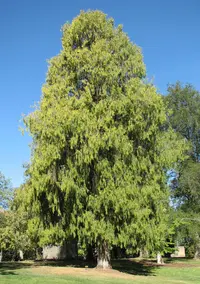
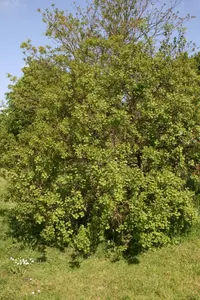
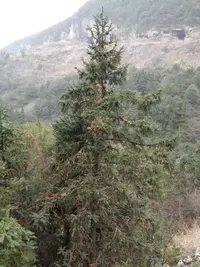
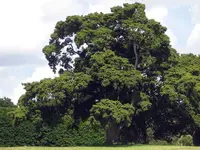
Manna gum, Eucalyptus viminalis, is a fast-growing evergreen tree native to cooler regions of southeastern Australia and Tasmania. It belongs to the myrtle family and is commonly seen in wet forests and river valleys.

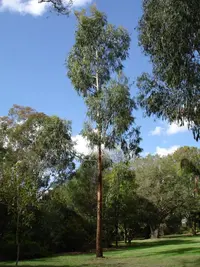
The tree typically has smooth, pale bark that peels in long ribbons and narrow, aromatic leaves rich in essential oils. In suitable climates it can reach significant height and develop a tall, straight trunk.

It is generally considered easy to grow in mild climates if given full sun, well-drained soil, and consistent moisture while young. Gardeners who care for manna gum should allow enough space for its mature size and strong root system.

Main Plant Requirements

Care Difficulty

Moderate Care

Light Preference

Full Sun

Water Requirements

Moderate Water

Temperature Preference

Warm Climate

Hardiness Zone

8–10

Soil Texture

Sandy, Loamy, Clay

Soil pH

Acidic (5.5–6.5), Slightly acidic (6.5–7.0)

Soil Drainage

Well-drained

Fertilization

Minimal (feed rarely)

Get Personalized Care Plan

Scan your plant to receive care tips personalized for your specific plant

Available on iOS and Android

How to Care for the manna gum

This fast-growing eucalyptus needs abundant direct sun to develop a strong, healthy canopy.

  • Provide 6–8 hours of direct sun daily; full sun all day is ideal, especially for young manna gum trees.
  • Tolerates light partial shade, but growth becomes sparser and stems weaker if daily direct sun drops below about 4 hours.
  • In hot inland summers, prioritize strong morning sun with some light afternoon shade, as extreme late-day exposure can dry young roots and scorch tender new leaves.

This species prefers deep, infrequent watering once established, with very free-draining soil.

  • Allow the top 5–8 cm of soil to dry before watering young trees; soak deeply so moisture reaches at least 20–30 cm into the root zone.
  • Reduce watering in cool or rainy seasons and in heavy soils; increase during hot, dry, windy weather when leaves may dull, curl slightly, or droop by evening.
  • Avoid standing water and poorly drained sites; yellowing leaves, soft new growth, or persistent wet soil signal excess moisture and risk of root rot for Eucalyptus viminalis.

This tree thrives in mild climates with cool winters and moderate, not extreme, summer heat.

  • Optimal growth occurs around 50–77°F (10–25°C), with the best performance in regions that avoid long periods above 95°F (35°C).
  • Mature trees can tolerate brief drops near 14–23°F (-10 to -5°C), but young plants are more vulnerable and benefit from protection from hard frost.
  • In areas with hot summers, combine full sun with access to soil moisture and mulch to buffer roots from surface temperatures exceeding 100°F (38°C).

This species tolerates a wide humidity range and usually does not need special humidity management indoors or outdoors.

Eucalyptus viminalis prefers free-draining, moderately fertile mineral soil that does not stay waterlogged.

  • Use a sandy or sandy-loam mix with 20–30% coarse sand or fine gravel to keep the structure open.
  • Incorporate a modest amount of compost (10–20%) to support nutrition without making the mix heavy or water-retentive.
  • Aim for slightly acidic to neutral pH around 6.0–7.0, avoiding alkaline or strongly acidic conditions that restrict nutrient uptake.
  • Avoid compacted clay, peat-heavy, or constantly wet soils, and consider raised beds or mounded planting to improve excess water runoff.

This tree is only moderately suitable for long-term container growing due to its eventual size and vigorous root system.

  • Choose a deep, heavy container that resists tipping, as the fast vertical growth makes the plant top-heavy in wind.
  • Use a gritty, fast-draining mix and elevate the pot on feet or blocks so drainage holes never sit in standing water.
  • Select a thick-walled pot (ceramic, concrete, or wood) in sunny sites to buffer root temperature swings and reduce stress.

Eucalyptus viminalis grown in the ground usually needs minimal feeding on reasonable soil, but container plants benefit from light nutrition.

  • Use a balanced slow-release fertilizer or dilute liquid feed at 1/2 strength for potted manna gum during active growth.
  • Apply every 4–6 weeks in spring and summer, skipping if growth is already strong and foliage is deep green.
  • Avoid high-nitrogen lawn products near roots, which can cause overly soft, weak growth and wind damage.
  • Stop feeding in fall and winter to allow wood to harden and reduce frost-susceptible, tender shoots.

Eucalyptus viminalis responds well to thoughtful pruning to control size, improve structure, and maintain clearance.

  • Carry out main pruning in late winter to early spring before strong new growth starts.
  • Remove dead, diseased, crossing, or storm-damaged branches first to improve safety and airflow.
  • Thin crowded interior branches to create a strong, open framework and reduce wind throw risk.
  • Use clean, sharp bypass pruners or a pruning saw and make smooth cuts just outside the branch collar.

This fast-growing tree is usually transplanted to the ground while young rather than kept long term in containers.

  • Transplant young Eucalyptus viminalis in early spring or early fall when temperatures are mild and soil is workable.
  • Look for roots circling the container, slow growth despite good care, or plants toppling as signs it has outgrown its pot.
  • Water thoroughly before and after planting, keep the root ball intact, and avoid breaking or teasing roots excessively.
  • Plant at the same depth as in the pot, firm soil gently, mulch 5–8 cm deep, and maintain even moisture for the first growing season.

Eucalyptus viminalis is typically raised from seed, as cuttings are difficult and unreliable for most home growers.

  • Sow fresh seed in late winter to early spring in a free-draining seed mix, barely covering the seeds.
  • Maintain 65–75°F, bright light, and evenly moist but not waterlogged substrate for germination.
  • Provide good air movement and avoid high humidity domes to reduce damping-off, a common seedling disease.
  • Prick out seedlings into individual cells once they have 2–3 sets of true leaves, handling by the leaves, not stems.

This species has moderate cold tolerance but benefits from some winter protection in cooler parts of its range.

  • Mature trees often handle light frosts, but young Eucalyptus viminalis can suffer leaf or stem damage below about 20–25°F.
  • Apply a 5–8 cm mulch layer around the root zone, keeping it slightly away from the trunk to moderate soil temperature.
  • For small or container plants in cold regions, move pots into a bright, frost-free space or against a sheltered south-facing wall.

Care Tips

Wind-firm training

During the first 2–3 years, allow young trees moderate exposure to wind without staking so roots anchor deeply, then gradually reduce any staking so the trunk learns to flex and the tree becomes more storm-resistant.

Formative crown pruning

In late winter, select 1 strong central leader and remove or shorten competing upright shoots to build a single, stable trunk and balanced crown structure that will better tolerate rapid growth and heavy foliage.

Epicormic shoot control

Inspect the trunk and main branches several times per year and promptly rub off or prune soft, new shoots emerging from the bark so energy is directed into the main canopy rather than congested, weak growth.

Mulch fire-safe zone

Use a 5–8 cm layer of coarse, non-resinous mulch around the root zone but keep a 10–15 cm bare collar around the trunk to reduce rot risk and, in fire-prone areas, avoid fine, oily mulches that can increase flammability.

Wildlife and debris management

Position the tree away from roofs, gutters, and small animal enclosures, and schedule an annual cleanup of shed bark and leaves beneath the canopy to reduce pest harborage and make caring for manna gum safer in residential settings.

Common Pests and Diseases

Myrtle leaf beetle

This pest feeds on young eucalyptus foliage, causing notched, ragged leaves and sometimes heavy defoliation on saplings and young trees.

Solution

Hand-pick and destroy adults and larvae on small trees, prune and dispose of heavily infested shoots, and encourage birds and predatory insects. In plantings where Eucalyptus viminalis plant care is a priority, use a targeted pyrethroid or spinosad spray only when defoliation is extensive, applying in calm weather and avoiding open flowers to reduce impact on beneficials.

Psyllids (lerp insects)

These insects suck sap from young leaves and shoots, producing sugary protective coverings (lerps), leaf curl, yellowing, and sometimes honeydew that can lead to sooty mold.

Solution

Rinse foliage with a strong stream of water to dislodge nymphs and lerps on smaller trees, prune and destroy badly affected tips, and avoid excess nitrogen fertilizer that encourages soft new growth. In severe, repeated infestations, use horticultural oil or insecticidal soap thoroughly on the undersides of leaves, repeating as needed according to label directions.

Myrtle rust

This disease causes bright yellow to orange powdery pustules on young leaves, stems, and new shoots, often leading to leaf distortion, dieback of soft growth, and reduced vigor.

Solution

Promptly prune out and bag affected shoots without shaking spores, then dispose of them in household waste rather than compost. Improve spacing and airflow, avoid overhead watering, and in high-risk areas consider applying an appropriate fungicide labeled for myrtle rust at the first sign of infection, following local regulations and label instructions.

Armillaria root disease

This disease, caused by Armillaria fungi in the soil, leads to progressive dieback, sparse yellow foliage, reduced growth, and eventual tree decline, often in sites with a history of infected woody plants.

Solution

Remove and destroy severely affected trees, including as much of the stump and large roots as practical, and avoid replanting susceptible eucalyptus in the same spot. Improve drainage, reduce irrigation on heavy soils, and keep mulch and organic debris away from the trunk to limit moisture and fungal spread.

Longhorn wood borers

These beetle larvae tunnel within the trunk and branches, creating galleries that weaken the wood and can cause branch dieback or breakage, especially in stressed or storm-damaged trees.

Solution

Maintain tree vigor through appropriate watering and avoiding mechanical injury, since borers prefer weakened hosts. Prune and destroy infested or dead branches, clean pruning tools between cuts, and in high-value trees consider consulting an arborist about trunk injection or preventive treatments if borer pressure is consistently high in the area.

Interesting Facts

Koala staple food

Manna gum foliage is one of the primary food sources for several koala populations, and some koalas show a strong preference for this species over other eucalypts.

Sweet insect secretions

The species name viminalis is linked to the term manna, a sweet, white, powdery or crumbly exudate that can form when insects feed on the sap and their sugary secretions dry on the leaves and branches.

Riparian habitat specialist

Manna gum commonly forms tall forests along cool, moist river valleys and stream edges in southeastern Australia, where it plays a key role in stabilizing banks and shaping riparian ecosystems.

Botan icon

Did you know?

Individual manna gums can grow very fast under favorable conditions and may reach 40–50 m tall, making them among the larger tree species in many of the mixed eucalypt forests where they occur.

FAQs about manna gum

This tree is considered fast-growing, often adding 1–3 m in height per year in suitable conditions. Growth is quicker in deep, moist, well-drained soil with full exposure and slows in compacted, dry, or nutrient-poor sites.

Grow Healthy Plants with Botan Care

Keep your plants happy and healthy with plant identification, disease detection, and easy care guidance.

Botan plant care app — identify plants on mobile

Explore More Plants