Regular tip-pinch
Pinch back soft shoot tips every 4–6 weeks during active growth to keep the canopy dense, reduce legginess, and encourage fine branching for a compact hedge or topiary form.


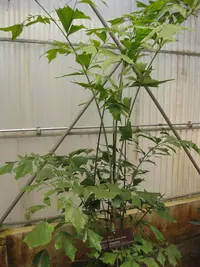
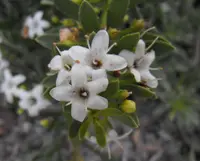
Eugenia albicans is a woody shrub or small tree in the myrtle family, valued for its dense foliage and neat, upright growth. It typically forms a compact crown with small, glossy green leaves and inconspicuous white flowers, sometimes followed by small berries.
This species is native to tropical regions, where it grows in warm, humid forests and tolerates seasonal rainfall. Its relatively slow to moderate growth and naturally tidy form make it suitable for trained hedges, screens, or container culture.
Eugenia albicans prefers bright light, moderate moisture, and well-drained, slightly acidic soil, which helps determine how to care for Eugenia albicans in gardens or indoor collections.

Care Difficulty
Moderate Care

Light Preference
Partial Sun

Water Requirements
Moderate Water

Temperature Preference
Warm Climate

Hardiness Zone
10–11

Soil Texture
Sandy, Loamy, Organic-rich

Soil pH
Acidic (5.5–6.5), Slightly acidic (6.5–7.0)

Soil Drainage
Well-drained

Fertilization
Minimal (feed rarely)
Scan your plant to receive care tips personalized for your specific plant
Available on iOS and Android
This species prefers bright conditions with some protection from intense midday sun.
Watering should keep the root zone evenly moist but never waterlogged.
Stable mild to warm temperatures support steady growth and reduce stress.
This species prefers moderate humidity but adapts to many home environments.
Eugenia albicans grows best in a loose, aerated, and moisture-retentive but free-draining substrate.
This species is suitable for container growing when root space and drainage are carefully managed.
This species grows in modest soils but benefits from light, controlled feeding in containers or poor ground.
Thoughtful pruning keeps this shrub or small tree dense and healthy without excessive effort.
Container or young landscape plants respond well to careful transplanting when growth space becomes limited.
New plants are usually raised from semi-hardwood cuttings or seeds under controlled conditions.
This warm-temperate species needs attention in regions with frost or prolonged cold.

Plant Health Check
Not sure what's wrong with your plant? Check your plant's health inside the app.
This species is naturally restricted to the Philippines, where it occurs in specific lowland to mid‑elevation forest habitats rather than being widespread across Southeast Asia like several other Eugenia species.
As a member of the Myrtaceae, it typically has oil glands in the leaves and aromatic tissues, traits linked to chemical defenses against herbivores and pathogens in many closely related species.
This species is generally moderate growing. Young plants establish slowly during the first 1–2 years, then put on steadier annual growth when roots are established, moisture is consistent, and nutrients are adequate, especially in warm, frost-free climates.
Keep your plants happy and healthy with plant identification, disease detection, and easy care guidance.