yankeeweed Care (Eupatorium compositifolium)

Also known as: Coastal Dog Fennel
yankeeweed

About yankeeweed

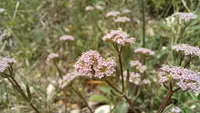
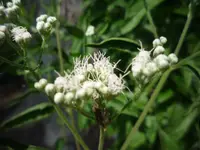
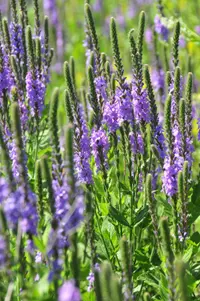
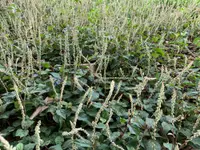
Yankeeweed, Eupatorium compositifolium, is a perennial wildflower in the aster family, often seen in old fields, roadsides, and open pine woods in the southeastern United States. It forms upright clumps with many slender stems, finely divided thread-like leaves, and clusters of small, white flower heads in late summer to fall.

This species spreads readily by seed and underground stems, so it can naturalize quickly in suitable sites. It suits gardeners who appreciate a more naturalistic or meadow-style look and who can accept its vigorous self-seeding.

It usually prefers full sun to light shade, with moderately moist, well-drained soils, and low to average fertility. Understanding these preferences helps gardeners know how to care for yankeeweed in managed landscapes.

Main Plant Requirements

Care Difficulty

Easy Care

Light Preference

Full Sun

Water Requirements

Regular Water

Temperature Preference

Cold Hardy

Hardiness Zone

7–11

Soil Texture

Sandy, Loamy, Organic-rich

Soil pH

Acidic (5.5–6.5), Slightly acidic (6.5–7.0)

Soil Drainage

Moist but well-drained

Fertilization

Minimal (feed rarely)

Get Personalized Care Plan

Scan your plant to receive care tips personalized for your specific plant

Available on iOS and Android

How to Care for the yankeeweed

Eupatorium compositifolium grows best with consistent sun exposure that mimics its open, native habitats.

  • Provide 6–8 hours of direct sun daily; morning sun with light afternoon shade suits yankeeweed in hotter regions.
  • Tolerates light partial shade (3–4 hours sun), but dense shade leads to weak, lanky stems and reduced flowering.
  • In summer, monitor for leaf scorch in intense afternoon sun and consider light shade; in cooler seasons, maximize direct light to support strong growth.

Eupatorium compositifolium prefers steadily moist, well-drained soil rather than extremes of wet or dry.

  • Water when the top 3–5 cm of soil feels dry, aiming for deep soaking that moistens the full root zone.
  • Use soil rich in organic matter with good drainage; standing water, foul smell, or soft stems indicate overwatering and root stress.
  • In hot, dry periods, expect more frequent watering and watch for drooping leaves, while in cool or rainy seasons reduce watering to avoid saturated soil.

This species is a hardy perennial adapted to warm summers and cool, but not extreme, winters.

  • Optimal growth occurs around 70–85°F (21–29°C), where foliage stays vigorous and flowering is most reliable.
  • Plants tolerate down to about 20°F (−6°C) once established, with top growth often dying back but roots surviving in many temperate climates.
  • Heat up to 95°F (35°C) is usually tolerated if soil moisture is maintained, but repeated hard frosts below 20°F (−6°C) can reduce long-term vigor.

This species tolerates a broad humidity range and rarely needs special humidity management outdoors.

  • Performs well in 30–60% humidity typical of most outdoor temperate regions.
  • Handles short dry spells without damage if soil moisture is maintained.
  • Humidity stress appears as crisp leaf edges and slowed growth during hot, very dry winds; focus on watering soil rather than misting.
  • In extreme dryness, group plants and apply mulch to reduce evaporative loss around yankeeweed.

Eupatorium compositifolium prefers loose, moderately fertile soil that drains freely yet holds some moisture.

  • Use a sandy or sandy-loam texture with at least 30–50% mineral grit (sand or fine gravel) to prevent waterlogging around the roots.
  • Incorporate 20–30% compost or leaf mold to add organic matter, improve moisture retention, and support soil life.
  • Aim for slightly acidic to neutral pH, around 6.0–7.0, which suits nutrient uptake and limits micronutrient imbalances.
  • Avoid heavy clay, compacted sites, or spots where water stands after rain; amend such ground with coarse sand and organic matter to improve aeration and drainage.

This species can be grown in containers, mainly for temporary display or to control spread.

  • Choose a deep, heavy pot to counteract tall, airy stems that can catch wind and tip lighter containers.
  • Select a container mix with extra mineral grit so moisture drains quickly and roots do not sit in a saturated layer.
  • Raise the pot on feet or bricks so drainage holes remain clear and excess water escapes rapidly after rain or irrigation.

This native perennial usually needs no fertilizer in the ground, but light feeding can support growth in poor soils or containers when caring for yankeeweed.

  • Use a balanced, dilute liquid fertilizer (such as 10-10-10 at 1/2 strength) or a thin layer of compost in spring.
  • Feed container plants every 4–6 weeks during the active growing season only.
  • Avoid fertilizing in fall and winter to prevent soft, frost‑tender growth.
  • Apply fertilizers to moist soil and rinse foliage to limit leaf burn.

Pruning Eupatorium compositifolium keeps plants tidy, controls height, and can enhance flowering.

  • In late winter or early spring, cut back previous year’s stems to 5–10 cm above ground with clean pruners.
  • During the growing season, remove dead, damaged, or crossing stems to maintain airflow and reduce disease risk.
  • Pinch or lightly trim stem tips in late spring to encourage bushier growth and more flowering shoots.
  • Disinfect cutting tools before and after use to minimize transmission of pathogens.

This species is usually grown in-ground, so care focuses on lifting, dividing, and transplanting clumps rather than frequent repotting.

  • Transplant or divide in early spring or early fall when temperatures are mild and soil is workable.
  • Look for dense, overcrowded clumps, declining vigor, or bare centers as signs a plant benefits from lifting and division every 3–5 years.
  • Dig widely around the root zone, lift gently, and keep roots shaded and moist during the move to reduce stress.
  • Replant at the same depth in well-drained soil, water thoroughly, and maintain even moisture until new growth establishes.

This plant is commonly propagated by division, stem cuttings, and seeds to expand plantings or refresh aging clumps.

  • Divide established clumps in early spring, replanting vigorous sections with healthy buds into prepared soil.
  • Take softwood cuttings in late spring or early summer, use a rooting hormone, and place in moist, well-drained medium under bright, indirect light.
  • Sow fresh seed in fall or early spring; light, consistent moisture and exposure to natural temperature shifts improve germination.
  • Label new plantings and maintain gentle, even watering until roots are well established.

This hardy perennial tolerates typical winters in much of its native range and generally needs little special care once established.

  • After frost kills back stems, cut them near ground level to reduce disease carryover and tidy the planting.
  • Apply a 5–8 cm layer of mulch around, but not on, crowns in colder regions to moderate soil temperature.
  • For container plants in cold climates, move pots to a sheltered, unheated space to prevent root freezing and thawing cycles.

Care Tips

Controlled spread management

Install a shallow root barrier or edge strip 10–15 cm deep around beds to keep this rhizomatous plant from spreading into turf or neighboring plantings while still allowing a natural colony to form inside the defined area.

Targeted late-summer cutback

If stems become floppy or overly tall, cut back the top third of growth in late spring to early summer to encourage sturdier, branched flowering stems that stand better without staking.

Selective self-seed control

Deadhead spent flower clusters before seeds fully mature if you want to limit self-sowing, but leave a portion of seed heads in wilder areas to support pollinators and seed-eating wildlife.

Habitat-style grouping

Plant in loose drifts of at least 5–7 individuals mixed with other dry meadow natives to create a stable plant community that supports natural pest balance and reduces maintenance when growing yankeeweed.

Drought hardening practice

In the second year and beyond, gradually lengthen the interval between deep waterings during mild dry spells so roots develop deeper in the soil profile, which improves long-term drought resilience and reduces summer stress.

Common Pests and Diseases

Powdery mildew

This disease produces white, powdery patches on leaves and stems, often during warm days with cool, humid nights. Symptoms include distorted new growth and reduced vigor in dense stands or poorly ventilated sites.

Solution

Improve air circulation by thinning nearby vegetation and avoid overhead watering that keeps foliage damp at night. Remove and dispose of heavily infected stems, and if needed apply a sulfur or potassium bicarbonate fungicide labeled for ornamentals, following all label directions.

Rust

This disease causes small yellow spots on upper leaf surfaces and orange to brown pustules on the undersides. Symptoms include premature leaf drop and a generally weakened plant, especially in humid late-summer conditions.

Solution

Prune and discard infected leaves and stems to limit spore spread, and avoid wetting foliage when irrigating. Increase spacing around plants for better airflow, and in severe or recurring cases use a labeled rust fungicide applied at the first signs of infection.

Aster yellows

This disease is caused by a phytoplasma spread by leafhoppers and leads to yellowing, stunted shoots, and misshapen flower clusters. Symptoms include distorted, bushy growth and poor flowering that does not resolve once plants are infected.

Solution

Promptly remove and destroy symptomatic plants to prevent spread to nearby composites and other hosts. Reduce weedy growth that harbors leafhoppers and, where infestations are chronic, consider using floating row covers or targeted leafhopper control in surrounding vegetation.

Leafhoppers

These insects feed on plant sap, causing pale speckling, leaf curling, and in some cases transmitting aster yellows. This pest is especially active in sunny, open sites with nearby grasses and weeds.

Solution

Encourage natural predators by maintaining plant diversity nearby and avoid broad-spectrum insecticides that kill beneficial insects. For heavy infestations, use a strong stream of water to knock insects off plants and, if necessary, apply an insecticidal soap or horticultural oil in the evening, coating leaf undersides thoroughly.

Nematode leaf spot

This disease is caused by foliar nematodes that live in leaf tissue, producing angular, water-soaked patches that turn brown and are often limited by leaf veins. Symptoms include patchy, tattered foliage, especially in moist, crowded plantings.

Solution

Remove and destroy affected leaves, and avoid overhead irrigation that splashes water from leaf to leaf. Reduce crowding, allow foliage to dry quickly, and avoid moving wet plants through the area to limit spread of nematodes on tools and clothing.

Interesting Facts

Sandhill specialist

This species is strongly associated with dry, sandy habitats in the southeastern United States, especially Florida sandhills and scrub, where it helps stabilize loose, nutrient-poor soils with its fibrous root system.

Feathery foliage mimic

Its very finely divided, threadlike leaves give a feathery appearance that can resemble dill or fennel, an adaptation that reduces leaf surface area and helps limit water loss in hot, exposed sites.

Late-season pollinator resource

It typically flowers in late summer to fall, producing many small white flower heads that provide nectar and pollen for native bees, butterflies, and other insects when many other sandhill plants have finished blooming.

Botan icon

Did you know?

Genetic and morphological studies have supported treating this plant as a distinct species rather than just a variety of other Eupatorium taxa, and as a result it has been moved by some botanists into the closely related genus Eutrochium, reflecting its unique position within this complex group of North American bonesets.

FAQs about yankeeweed

This species spreads readily by both seed and underground rhizomes, especially in open, disturbed soil. In garden settings it can become weedy, so use root barriers, deadhead spent flowers, and remove unwanted seedlings promptly to limit spread.

Grow Healthy Plants with Botan Care

Keep your plants happy and healthy with plant identification, disease detection, and easy care guidance.

Botan plant care app — identify plants on mobile

Explore More Plants