Aleppo Spurge Care (Euphorbia aleppica)

Aleppo Spurge

About Aleppo Spurge

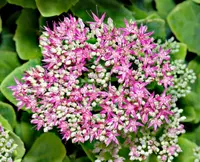
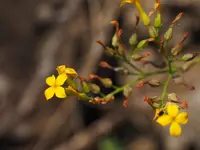
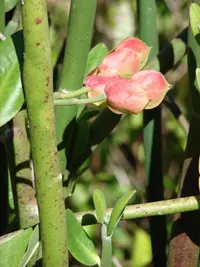
Euphorbia aleppica, often called Aleppo spurge, is a herbaceous perennial from the Mediterranean and Middle Eastern regions. It typically forms upright to slightly spreading clumps with narrow leaves and yellow-green flowering bracts.

This species is adapted to dry, rocky habitats and generally prefers well-drained soil and full sun to light shade. Once established, it has good drought tolerance but dislikes heavy, waterlogged ground.

Gardeners who learn how to care for Aleppo Spurge usually find it moderately easy, provided drainage is good and the site is not overly humid. Its tough nature suits low-maintenance, water-wise plantings.

Main Plant Requirements

Care Difficulty

Moderate Care

Light Preference

Full Sun

Water Requirements

Low Water

Temperature Preference

Warm Climate

Hardiness Zone

8–11

Soil Texture

Sandy, Loamy, Rocky

Soil pH

Slightly acidic (6.5–7.0), Slightly alkaline (7.0–7.5)

Soil Drainage

Well-drained

Fertilization

Minimal (feed rarely)

Get Personalized Care Plan

Scan your plant to receive care tips personalized for your specific plant

Available on iOS and Android

How to Care for the Aleppo Spurge

This sun-loving Mediterranean perennial thrives with strong light and low humidity.

  • Provide 6–8 hours of direct sun daily, ideally with morning to early afternoon exposure, as Aleppo Spurge is adapted to open, dry habitats.
  • Tolerates light afternoon shade in hotter regions, which helps prevent leaf scorch and reduces stress during heat waves.
  • In winter, ensure the site remains as open and bright as possible; prolonged deep shade leads to weak, elongated growth and fewer flowers.

This drought-adapted species prefers sparse watering and quickly draining soil.

  • Water only when the top 3–5 cm of soil are completely dry, then soak the root zone once rather than giving frequent light splashes.
  • Use sharply drained, sandy or gravelly soil; standing water or heavy clay markedly increases the risk of root rot in Euphorbia aleppica.
  • Reduce watering in cool seasons, watching for shrunken, wrinkling stems as a sign of thirst and yellowing, mushy bases as a sign of overwatering.

This species is adapted to warm, dry climates and copes poorly with hard frost.

  • Optimal growth occurs around 65–80°F (18–27°C), with good air movement and low to moderate humidity.
  • Tolerates brief drops to about 25°F (-4°C) if soil is dry, but repeated freezes or colder conditions can damage stems and roots.
  • Handles summer heat up to 95°F (35°C) if soil is free-draining; in very hot periods, light afternoon shade helps limit heat stress and tissue scorch.

This species handles dry conditions and usually does not need special humidity control indoors or outdoors.

Soil must drain very quickly to prevent persistent root moisture.

  • Use a gritty, sandy or loamy mix with at least 40–50% mineral components such as coarse sand, fine gravel, or pumice.
  • Blend in a small amount of compost or leaf mold only to add nutrients without reducing drainage too much.
  • Aim for slightly alkaline to neutral pH around 7.0–7.8, similar to calcareous or lime-rich soils.
  • For Euphorbia aleppica in pots, ensure excess water runs off immediately and avoid any mix that compacts after watering.

This species is suitable for container growing in bright, dry positions.

  • Choose a heavy, stable pot so the plant does not tip if stems become tall or wind-exposed.
  • Use a shallow to medium-depth pot that matches the relatively fibrous root system rather than an overly deep container.
  • Select unglazed terracotta or other porous materials to help moisture evaporate faster in wet climates or on exposed patios.

This drought-tolerant perennial needs only light feeding, as excessive nutrients can cause weak, lush growth in Aleppo Spurge.

  • Use a low-dose balanced fertilizer (for example 10-10-10) or a thin layer of compost in early spring as growth restarts.
  • Feed once per growing season in well-drained soils; skip feeding on very fertile or recently amended beds.
  • Apply liquid fertilizers at half the label strength to avoid salt buildup in the root zone.
  • Stop fertilizing in late summer so new growth can harden before winter dormancy.

Pruning Euphorbia aleppica is mainly done to maintain a tidy clump and remove declining stems.

  • Cut back dead, damaged, or diseased stems at the base whenever noticed, using clean, sharp pruners.
  • In late winter or very early spring, thin out crowded older stems to improve light and air penetration.
  • After flowering, trim spent flower stems to encourage a compact shape and reduce unwanted self-seeding.
  • Wear gloves and avoid skin contact with the milky sap; allow cuts to dry before overhead watering.

This species is usually grown in open ground, so focus on careful transplanting rather than frequent repotting.

  • Transplant in early spring or early fall when temperatures are mild and soil is workable.
  • Move plants only when necessary, for example if growth is stunted or clumps are overcrowded.
  • Lift with a wide root ball, keep soil around the roots intact, and replant at the same depth in well-drained soil.
  • Water thoroughly after transplanting, then keep soil lightly moist (not saturated) for 1–2 weeks to limit root stress.

Propagation of Euphorbia aleppica is achievable for patient growers using seeds or carefully handled cuttings.

  • Collect ripe seeds and sow them in late winter or early spring in a free-draining, gritty mix.
  • Provide bright light, 60–70°F, and only moderate moisture to reduce damping off in seedlings.
  • For stem cuttings, take non-flowering shoots in late spring, allow the milky sap to dry, then insert into a sterile, sandy mix.
  • Maintain bright, indirect light and low to moderate watering until new roots and growth are clearly visible.

This hardy perennial usually needs minimal winter care in its suitable climate zones.

  • In regions with freezing winters, a 5–7 cm layer of dry mulch helps insulate the root zone without trapping excess moisture.
  • Ensure soil drainage is excellent to prevent crown rot during cold, wet periods.
  • Container-grown plants in marginal climates can be moved to a cold, bright, frost-free space for winter.

Care Tips

Sap-safe handling

Wear gloves and avoid touching your face when cutting stems, because the milky sap is irritating; rinse tools and any skin contact with plenty of clean water immediately after pruning or division.

Targeted clump renewal

Every 3–4 years, remove the oldest, woodiest stems at the base in late winter and leave younger shoots, which keeps the clump compact, encourages fresh flowering stems, and reduces self-seeding pressure nearby.

Controlled self-seeding

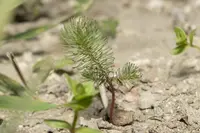
If you want some natural spread but not invasiveness, let only a few of the best-positioned plants set seed and deadhead the rest, then mark and thin out unwanted seedlings while they are still under 5 cm tall.

Low-input weed barrier

Plant in a slightly staggered grid and allow stems to touch lightly, creating a living mulch that shades out many weeds so you only need to hand-weed the outer edges a few times a year when growing Aleppo Spurge.

Heat and drought acclimation

In regions with hot, dry summers, reduce irrigation gradually in late spring and avoid fertilizing after mid-spring, which helps the plant harden off and perform more reliably during extended dry periods.

Common Pests and Diseases

Spider mites

This pest often appears in dry, hot conditions and feeds on sap from young Euphorbia shoots, causing fine speckling, loss of vigor, and delicate webbing on stems and undersides of leaves. Symptoms include dull, stippled foliage and reduced new growth.

Solution

Rinse the plant thoroughly with a firm stream of water to remove mites and webbing, then increase humidity around the plant while keeping foliage dry between waterings. For persistent infestations, use repeated applications of horticultural soap or neem oil, making sure to coat stem joints and the undersides of leaves, and avoid spraying in full sun or high heat.

Aphids

These insects cluster on tender stems, bracts, and flower stalks, sucking sap and excreting sticky honeydew that encourages sooty mold on Euphorbia shoots. Symptoms include distorted new growth, curling tips, and a shiny or blackened coating on stems.

Solution

Prune out heavily infested shoot tips and wash remaining colonies off with water, focusing on soft new growth. Apply insecticidal soap to all aboveground parts in the evening or under shade, and reduce excess nitrogen fertilization, which favors rapid, soft growth that attracts aphids.

Powdery mildew

This disease can develop on Euphorbia foliage in warm days and cooler, humid nights, forming a white, powdery film on leaves and young stems. Symptoms include distorted leaves, reduced vigor, and premature yellowing or leaf drop in dense plantings.

Solution

Thin or space plants to improve air movement and avoid overhead watering, keeping foliage as dry as possible. Remove and discard infected leaves and, if needed, apply a sulfur or potassium bicarbonate-based fungicide labeled for ornamentals, treating both upper and lower leaf surfaces early in the outbreak.

Crown gall

This disease, caused by soil-borne bacteria, forms hard, irregular galls at the crown or lower stems, which interfere with water and nutrient flow. Symptoms include swollen, woody growths at the base, stunted shoots, and gradual decline of the plant.

Solution

Remove and destroy affected plants, including as much of the root system and surrounding soil as possible, and avoid replanting Euphorbia or other susceptible species in the same spot for several years. Disinfect cutting tools with 10% bleach or 70% alcohol after working with infected plants to prevent spreading the bacteria.

Stem canker

This disease produces sunken, dark lesions on Euphorbia stems that can girdle shoots and cause dieback, often entering through wounds or frost injury. Symptoms include localized stem discoloration, cracking, and sudden wilting of affected branches above the canker.

Solution

Cut out infected stem sections well below visible damage using sterilized tools and discard the prunings. Improve drainage and site conditions to reduce stress, avoid mechanical injury to stems, and if the problem is recurrent in a bed, rotate to less susceptible species rather than replanting Euphorbia in the same position, following general Euphorbia aleppica care instructions for site and soil.

Interesting Facts

Levantine steppe specialist

This species is naturally restricted to semi-arid steppe and rocky slopes of the eastern Mediterranean, especially around Syria and neighboring regions, where it is adapted to shallow, stony soils and long summer drought.

Distinctive floral glands

Its cyathia (the specialized Euphorbia flower structures) carry relatively small, inconspicuous nectar glands compared with some related species, which helps botanists distinguish it during field surveys in mixed Euphorbia communities.

Patchy, local distribution

Field records show that this plant tends to occur in scattered, often small populations rather than forming continuous stands, indicating a preference for specific microhabitats such as lightly grazed slopes and disturbed open ground.

FAQs about Aleppo Spurge

This species spreads slowly by short rhizomes and self-seeding, but it is not typically invasive in managed gardens. Occasional removal of unwanted seedlings and division of older clumps keeps growth controlled and tidy.

Grow Healthy Plants with Botan Care

Keep your plants happy and healthy with plant identification, disease detection, and easy care guidance.

Botan plant care app — identify plants on mobile

Explore More Plants