Monanthes laxiflora Care

Monanthes laxiflora

About Monanthes laxiflora

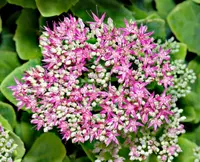
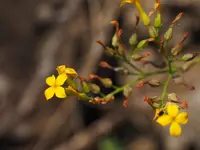
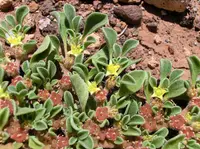
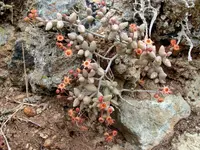
Monanthes laxiflora is a small succulent from the Canary Islands, forming low, branching mats of tiny fleshy leaves. It often develops tight clusters that can spill gently over the edge of a pot. The foliage is usually green to grey-green, with small starry flowers that rise slightly above the cushion of leaves. This compact habit makes it suitable for windowsills, small containers, and mixed succulent planters. It stays relatively small and grows slowly, so it is easier to manage than many faster, vining species. With bright indirect light, very free-draining soil, and careful watering, it is straightforward to care for Monanthes laxiflora.

Main Plant Requirements

Care Difficulty

Moderate Care

Light Preference

Partial Sun

Water Requirements

Low Water

Temperature Preference

Tropical / Frost Sensitive

Hardiness Zone

10–11

Soil Texture

Sandy, Loamy, Rocky

Soil pH

Slightly acidic (6.5–7.0), Neutral (7.0)

Soil Drainage

Well-drained

Fertilization

Minimal (feed rarely)

Get Personalized Care Plan

Scan your plant to receive care tips personalized for your specific plant

Available on iOS and Android

How to Care for the Monanthes laxiflora

This compact succulent prefers bright, gentle light that mimics cool, open habitats.

  • Provide 4–6 hours of bright, indirect light or soft morning sun; east-facing exposure is usually ideal for Monanthes laxiflora.
  • Protect from intense midday and afternoon sun, especially in summer, as small leaves can scorch and shrivel under prolonged direct exposure.
  • In winter, move slightly closer to the light source or choose a brighter spot, since low seasonal light can cause leggy, stretched growth.

This species stores moisture in its tissues and needs careful, sparing watering.

  • Water only when the top 2–4 cm of soil are fully dry; use fingertip or a wooden skewer to check below the surface for hidden moisture.
  • Ensure sharply drained, gritty soil so water runs through quickly; empty saucers and avoid any standing water around the roots to limit rot risk.
  • Reduce watering in cool, low-light months; overwatering shows as soft, yellowing, translucent leaves, while prolonged dryness causes wrinkling and leaf drop.

This succulent favors mild temperatures and dislikes both hard frost and extreme heat.

  • Aim for 60–75°F (16–24°C) for steady growth, with slightly cooler nights improving overall vigor and compact form.
  • Protect from frost; growth stops below about 40°F (4°C), and sustained exposure near 32°F (0°C) can damage or kill the plant.
  • In hot spells above 85°F (29°C), give light shade and extra airflow, and avoid reflected heat from walls or paving that can overheat roots.

This small succulent prefers relatively dry air and does not need elevated humidity.

  • Target 30–50% humidity, similar to most heated indoor rooms, for stable growth.
  • Dry air is generally tolerated, but very hot, drafty spots can desiccate leaf tips and stems.
  • If air is extremely dry, group pots together on a pebble tray or move away from direct hot airflow to reduce moisture loss.

This species needs a very well-drained, gritty mix that mimics rocky, sandy habitats.

  • Use a cactus/succulent mix amended with extra coarse sand or fine gravel for a fast-draining, open structure.
  • Aim for slightly acidic to neutral pH, around 6.0–7.0, avoiding strongly acidic or alkaline substrates that reduce nutrient availability.
  • Increase aeration by adding 20–40% perlite or pumice so roots stay oxygenated and do not sit in compacted particles.
  • Avoid heavy, peat-dense or clay-based mixes that stay wet for long periods, as these quickly lead to root rot in Monanthes laxiflora.

This species is well suited to container growing due to its compact, shallow-rooted habit.

  • Choose a shallow, wide pot so the spreading mat of growth fills the surface without trapping deep, unused wet soil below.
  • Select unglazed terracotta if extra evaporation is needed, or plastic if moisture retention is a concern in very hot, dry climates.
  • Ensure drainage holes are large and unobstructed, and tip out any water that collects in outer cachepots within a few minutes.

This small succulent needs only light feeding to maintain compact, healthy growth.

  • Use a balanced liquid cactus or succulent fertilizer (around 10-10-10) diluted to 25–50% strength.
  • Feed Monanthes laxiflora every 4–6 weeks during spring and summer when actively growing.
  • Skip feeding in fall and winter, or limit to 1 very light application if growth continues indoors.
  • Avoid organic compost-heavy mixes that stay wet, as excess nutrients and moisture increase rot risk.

Pruning is mainly cosmetic and helps keep this mat-forming succulent dense and tidy.

  • Best time is late winter or early spring, just before active growth resumes.
  • Snip off dead, shriveled, or damaged stems with clean, sharp scissors or small snips.
  • Thin crowded or excessively long shoots to improve light penetration and maintain a compact cushion shape.
  • Remove spent flower stalks at the base to divert energy back into vegetative growth.

This slow-growing succulent tolerates being slightly rootbound and needs infrequent repotting.

  • Repot every 2–3 years, or when roots circle the pot, drain poorly, or growth becomes noticeably slower.
  • Aim for early spring, using a shallow container with ample drainage holes and a gritty cactus mix.
  • Gently tease roots apart, remove old compacted soil, and avoid breaking the delicate root system.
  • Water lightly after repotting, then allow the mix to dry between waterings to limit transplant shock.

Monanthes laxiflora is commonly multiplied from stem pieces and small offsets.

  • Take firm, non-mushy stem cuttings or offsets in spring or early summer.
  • Let cut surfaces dry and callus for 1–3 days before placing on a barely moist, gritty mix.
  • Provide bright, indirect light, warm temperatures (65–75°F), and very light, infrequent watering.
  • Seeds can be sown on the surface of well-drained mix, kept lightly moist and warm until germination.

This succulent dislikes hard frost and benefits from simple winter protection in cooler climates.

  • In regions below 30°F, grow in containers and move indoors or into a cool, bright greenhouse.
  • Maintain cool, frost-free conditions around 40–55°F with plenty of light and low air humidity.
  • Water sparingly in winter, allowing the soil to dry almost completely between light waterings.
  • Outdoors in mild climates, use a sharply drained site; avoid saturated soil that can freeze around the roots.

Care Tips

Offset division timing

Divide and repot offsets only when they have several rosettes and a clear root system, typically in late spring, to reduce transplant shock and keep clumps compact and healthy.

Use shallow dishes

Grow the plant in a wide, shallow pot to encourage its mat-forming habit and make it easier to monitor for rot starting in the center of dense cushions.

Rain protection outdoors

If kept outside, place the pot under an overhang or in a cold frame to shield it from prolonged rain, which can waterlog the fine roots and damage the tiny rosettes.

Rotate for even mats

Turn the pot 90° every 1–2 weeks so that all sides receive similar light exposure, encouraging even, dense carpeting instead of lopsided, stretched growth.

Inspect crown closely

Check the cushion surface and leaf bases every few weeks with a hand lens or close visual inspection for early signs of mealybugs or rot, which often start deep in the crown when caring for Monanthes laxiflora.

Common Pests and Diseases

Aphids

These insects cluster on tender new growth and flower stalks, sucking sap and causing distortion and sticky honeydew on the rosettes.

Solution

Rinse colonies off with a firm stream of water, then spot-treat remaining insects with insecticidal soap or a dilute neem oil spray, avoiding intense sun until dry. Reduce excess nitrogen fertilization, which encourages soft, aphid-prone growth, and inspect closely during active growing periods when growing Monanthes laxiflora.

Mealybugs

These insects appear as small white cottony spots between rosettes and along stems, weakening plants by feeding on sap and promoting sooty mold on their honeydew.

Solution

Isolate the plant, then dab visible mealybugs with cotton swabs dipped in 70% isopropyl alcohol and repeat weekly until no new insects appear. Improve light and airflow around the plant, and consider a systemic insecticide labeled for succulents if infestations keep returning.

Soft scale

This pest forms small, rounded, tan to brown bumps along stems and at leaf bases, drawing sap and causing gradual yellowing and decline of the rosettes.

Solution

Gently scrape or wipe off individual scales with a cotton swab or soft brush dipped in 70% isopropyl alcohol, then follow with 2–3 applications of horticultural oil at label rates, spaced 7–10 days apart. Keep the plant in bright, stable conditions and avoid overfertilizing, which supports scale population growth.

Edema

Symptoms include small corky or blistered spots on leaves when roots take up water faster than the foliage can use or release it, often under cool, damp conditions.

Solution

Allow the potting mix to dry more thoroughly between waterings and avoid sudden overwatering after a dry spell. Improve ventilation, provide stable bright light, and keep the plant in a slightly warmer, less humid location to prevent new lesions, since existing damage will not reverse.

Fungal leaf spots

This disease causes small brown or black spots on leaves and stems, sometimes with a yellow or pale halo, typically under conditions of poor airflow and extended surface moisture.

Solution

Remove and discard affected leaves and any fallen plant debris, then water at the soil level so rosettes stay dry. Increase airflow, avoid overcrowding pots, and if spotting continues, apply a sulfur or copper-based fungicide labeled for ornamental succulents, following the product instructions carefully.

Interesting Facts

Canary Island cliff specialist

This species is naturally restricted to the Canary Islands, where it grows on rocky cliffs and volcanic slopes, often rooted in thin crevices with very little organic soil.

Semi-deciduous succulent habit

Unlike many succulents that keep leaves year-round, this plant can shed a significant portion of its tiny leaves in dry or hot periods, then quickly refoliates when moisture and temperatures improve.

Clustered star-shaped flowers

It produces slender, branching stalks topped with loose clusters of small, pale star-shaped flowers that attract insects, a typical feature of many Crassulaceae species but in a notably airy, delicate arrangement.

FAQs about Monanthes laxiflora

Growth is generally slow to moderate. Small clumps expand gradually over several seasons, especially in bright light and with consistent but sparse watering. Low light, frequent disturbance, or cramped, depleted soil will slow growth even more.

Grow Healthy Plants with Botan Care

Keep your plants happy and healthy with plant identification, disease detection, and easy care guidance.


Botan plant care app — identify plants on mobile

Explore More Plants