Euphorbia atoto Care

Euphorbia atoto

About Euphorbia atoto

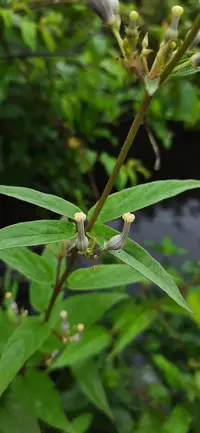
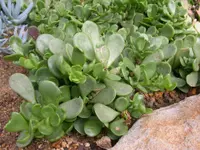
Euphorbia atoto is a succulent shrub from coastal habitats, often found on sandy shores and rocky outcrops in tropical and subtropical regions. It belongs to the diverse Euphorbia group, many of which have milky sap.

This species typically forms low, branching clumps with fleshy stems and small leaves adapted to strong sun, wind, and salt exposure. Its growth habit makes it suitable for tough, low-maintenance landscape spots in mild climates.

In cultivation, it generally prefers bright light, very well-drained soil, and moderate to low moisture. Understanding how to care for Euphorbia atoto starts with respecting its coastal, drought-tolerant origins and avoiding prolonged wet conditions.

Main Plant Requirements

Care Difficulty

Moderate Care

Light Preference

Full Sun

Water Requirements

Moderate Water

Temperature Preference

Warm Climate

Hardiness Zone

10–12

Soil Texture

Sandy, Loamy, Rocky

Soil pH

Slightly acidic (6.5–7.0), Neutral (7.0)

Soil Drainage

Well-drained

Fertilization

Minimal (feed rarely)

Get Personalized Care Plan

Scan your plant to receive care tips personalized for your specific plant

Available on iOS and Android

How to Care for the Euphorbia atoto

This coastal succulent prefers bright conditions with some protection from harsh midday sun.

  • Provide 6–8 hours of direct morning sun or bright, filtered light, especially in spring and summer, to keep growth compact and stems sturdy.
  • Allow light partial shade in the afternoon; prolonged deep shade leads to weak, stretched stems and reduced branching in Euphorbia atoto.
  • In very hot climates, shield from intense afternoon sun to prevent bleaching or scorching, using neighboring plants, light shade cloth, or building shadows as filters.

This species is drought-tolerant and needs infrequent but thorough watering.

  • Let the top 3–5 cm of soil dry fully before watering; in sandy coastal soils this may occur quickly after hot, dry spells.
  • Water deeply so moisture reaches the root zone, then allow excess to drain away; soil should be coarse, fast-draining, and never stay soggy for more than 24 hours.
  • Reduce watering in cooler seasons when growth slows; wrinkling or soft, drooping stems suggest underwatering, while yellowing, mushy bases indicate overwatering.

This plant prefers warm, frost-free conditions typical of mild coastal climates.

  • Aim for 65–80°F (18–27°C) for active growth, as stable warmth supports healthy branching and root activity.
  • Protect from cold below 40°F (4°C); brief dips may be tolerated, but repeated exposure near this range stresses tissue and increases rot risk.
  • Avoid frost entirely and monitor during heat waves above 95°F (35°C), where strong sun plus high heat can scorch stems unless some afternoon shade is provided.

This coastal succulent handles household humidity well and rarely needs special humidity management.

This coastal Euphorbia prefers sharply drained, mineral-rich soil that dries quickly after watering.

  • Use a rocky or sandy mix, such as 50–60% coarse sand or grit blended with 40–50% loamy soil or cactus mix.
  • Aim for slightly acidic to neutral pH around 6.0–7.0, avoiding strongly acidic or alkaline substrates that restrict nutrient uptake.
  • Incorporate pumice or perlite to increase aeration and prevent compaction, especially in containers or heavier native soils.
  • Avoid fine, organic-heavy, or clayey soils that stay wet for more than 1–2 days, as this greatly raises root rot risk.

This species can adapt to container growing when drainage and stability are carefully managed.

  • Choose a wide, low pot to reduce tipping risk if stems become sprawling or unevenly weighted.
  • Select unglazed terracotta if faster moisture loss is desired, or thicker plastic in hot, windy sites to slow drying.
  • Elevate the pot slightly on feet or bricks so drainage holes clear quickly and runoff does not reabsorb into the root zone.

This coastal succulent shrub benefits from light feeding but tolerates lean soils well.

  • Use a balanced liquid fertilizer (around 10-10-10) at 1/4–1/2 strength for Euphorbia atoto in containers.
  • Feed once every 4–6 weeks during the active growing season, spring through late summer.
  • Avoid rich compost layers; use a thin top-dressing only in very poor sandy soils.
  • Stop feeding in fall and winter to prevent soft, cold-sensitive growth.

This shrub responds well to light structural pruning to keep it compact and healthy.

  • Carry out main pruning in late winter or early spring before strong new growth.
  • Remove dead, damaged, or crossing stems first, then thin congested interior shoots.
  • Shorten overly long branches to maintain shape and prevent plants becoming leggy.
  • Use sharp, clean bypass pruners and avoid cutting thick stems back to bare, leafless wood.

This species is more often grown in the ground, with container plants needing only infrequent repotting.

  • Plan transplanting or repotting in spring when temperatures are mild and growth is starting.
  • Look for roots circling the pot, slow growth, or plants drying out quickly as key signals.
  • Move up only 1 pot size, using a very free-draining, sandy mix to limit waterlogging stress.
  • Handle roots gently, keep the original soil ball intact, then water lightly and shade for 3–5 days.

New plants are usually raised from cuttings rather than seed for faster, more predictable results.

  • Take 8–10 cm semi-ripe stem cuttings in late spring or early summer.
  • Wear gloves, allow the milky sap to dry and callus for 1–2 days before planting.
  • Insert cuttings into a gritty, well-drained mix and keep just barely moist in bright, indirect light.
  • Seeds need warm conditions, 70–75°F, and a very sandy medium, but germination is often slow and uneven.

In mild coastal climates this plant is fairly tolerant, but colder regions require some winter attention.

  • In ground, add a 5–8 cm layer of coarse mulch around the root zone, keeping it off stems.
  • Avoid waterlogged soil in winter, which increases rot risk more than low temperatures alone.
  • In colder areas or containers, move plants to a bright, frost-free spot, ideally above 40°F.

Care Tips

Salinity management

If grown near the coast, occasionally leach the potting mix or planting bed with a deep, slow watering to flush accumulated salts, which helps prevent leaf burn and root stress in this naturally seaside-adapted species when conditions become too dry.

Controlled spreading

In mild climates, regularly remove unwanted stems that root along the ground and replant only selected sections, so the plant forms a managed low mat rather than becoming an unstructured, invasive tangle.

Wind hardening

For exposed sites, gradually acclimate plants to stronger wind over 1–2 weeks and, if needed, use low windbreaks such as short mesh or rock edging to reduce sudden desiccation of new growth while still allowing good air flow.

Salt-spray rinsing

After storms that deposit heavy salt spray, hose foliage and the surrounding substrate with fresh water in the early morning to reduce salt concentrations on leaves and in the root zone.

Propagation rotation

Take small tip cuttings from different sections of a mother plant each year, rather than from one area repeatedly, to maintain a balanced, vigorous clump and build a supply of backup plants for long-term Euphorbia atoto care instructions planning.

Common Pests and Diseases

Mealybugs

This pest often hides in stem joints and along the fleshy green stems, sucking sap and weakening growth over time.

Solution

Isolate the plant, then dab visible insects with cotton swabs dipped in 70% isopropyl alcohol and rinse stems with a strong but controlled stream of water; repeat weekly until no new insects appear and reduce excess nitrogen fertilizer, which can encourage soft, susceptible growth when caring for Euphorbia atoto.

Spider mites

These insects favor hot, dry, coastal or indoor conditions and can cause fine webbing and speckled, faded stems and leaves.

Solution

Increase humidity around the plant, hose down all surfaces thoroughly to dislodge mites, then apply an insecticidal soap or horticultural oil to all stem and leaf surfaces, repeating every 7–10 days until damage stops spreading.

Scale insects

This pest appears as small, hard, dome-shaped bumps on stems and can cause yellowing and stunted growth as they feed on plant sap.

Solution

Gently scrape or peel off individual scales with a fingernail or soft brush, wipe stems with a cloth lightly moistened with 70% isopropyl alcohol, and follow with 2–3 applications of horticultural oil at 10–14 day intervals to target any crawlers.

Powdery mildew

This disease shows up as white, powdery patches on green stems and leaves, especially in crowded plantings with poor air circulation near the shoreline.

Solution

Prune to open up dense areas, avoid overhead watering, remove heavily affected sections, and apply a sulfur-based or potassium bicarbonate fungicide labeled for ornamentals, ensuring good coverage of all green tissue.

Stem canker

Symptoms include sunken, dark, or corky lesions on stems that may girdle and kill individual branches, often following mechanical injury or salt stress.

Solution

Cut out affected stem sections several cm below visible symptoms with a sterile, sharp tool, dispose of removed material, keep the plant in free-draining sandy soil, and avoid wounding stems or overwatering to reduce future infection risk.

Interesting Facts

Polynesian coastal specialist

This species is naturally restricted to sandy and rocky coasts of the tropical Pacific, especially in Polynesia, where it grows just above the high-tide line and tolerates strong sun, wind, and salt spray.

Salt-tolerant shrub

The plant shows marked halophytic behavior (adaptation to salty environments), surviving in substrates that receive sea-salt deposits that would damage many other coastal shrubs.

Role in strandline vegetation

It often grows together with other strandline species and helps stabilize upper beach zones, contributing to the structure of coastal plant communities and offering shelter to invertebrates and small animals.

Botan icon

Did you know?

Euphorbia atoto is one of the few native coastal shrubs in parts of the tropical Pacific that can form nearly pure, low thickets on exposed shorelines, creating distinctive green bands that visually mark the boundary between open beach and inland vegetation.

FAQs about Euphorbia atoto

Brown leaf tips or patches usually result from drought stress, salt buildup, or sun scorch. Check soil moisture, flush the pot occasionally, and protect from extreme midday sun. Remove badly damaged leaves to reduce stress and fungal entry points.

Grow Healthy Plants with Botan Care

Keep your plants happy and healthy with plant identification, disease detection, and easy care guidance.

Botan plant care app — identify plants on mobile

Explore More Plants