tabaiba majorera Care (Euphorbia atropurpurea)

Also known as: tabaiba roja
tabaiba majorera

About tabaiba majorera

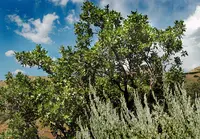
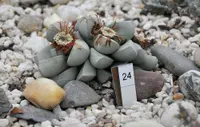
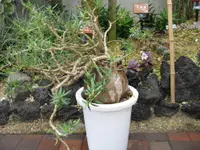
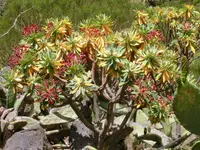
Tabaiba majorera, Euphorbia atropurpurea, is a shrubby succulent from the Canary Islands, adapted to dry, rocky slopes and strong sun. It forms rounded clumps with thick, upright stems and rosettes of spoon-shaped leaves.

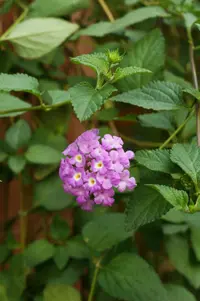
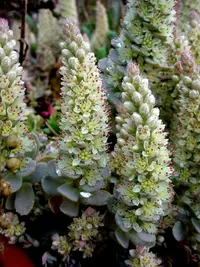
The plant is best known for its reddish to purplish flower heads that appear above the foliage, giving it strong ornamental value in dry gardens and succulent collections. Its drought tolerance and slow, compact growth habit make it relatively easy to manage, though sensitive to excess moisture.

Those looking to care for tabaiba majorera should provide bright light, very free-draining soil, and protection from prolonged cold or heavy, persistent rain.

Main Plant Requirements

Care Difficulty

Moderate Care

Light Preference

Full Sun

Water Requirements

Low Water

Temperature Preference

Tropical / Frost Sensitive

Hardiness Zone

10–11

Soil Texture

Sandy, Rocky, Loamy

Soil pH

Slightly acidic (6.5–7.0), Neutral (7.0)

Soil Drainage

Well-drained

Fertilization

Minimal (feed rarely)

Get Personalized Care Plan

Scan your plant to receive care tips personalized for your specific plant

Available on iOS and Android

How to Care for the tabaiba majorera

This Canary Islands succulent shrub prefers strong light and plenty of sun.

  • Provide 6–8 hours of direct sun daily; morning and midday sun are ideal, while harsh late-afternoon summer sun can scorch leaves on exposed sites.
  • In coastal or very bright climates, light filtered by sparse shrubs or rocks reduces stress and leaf burn, especially for younger tabaiba majorera plants.
  • In cooler or cloudier regions, choose the sunniest south- or west-facing spot to prevent weak, elongated growth and dull foliage color.

This drought-adapted shrub needs infrequent but thorough watering once established.

  • Allow the top 3–5 cm of soil to dry completely before watering; in very sandy or rocky ground this may mean long intervals between waterings.
  • Use sharply drained, gritty soil so water runs through quickly; standing water or heavy clay greatly increases the risk of root rot in Euphorbia atropurpurea.
  • Watch foliage and stems for cues: yellowing, mushy bases signal overwatering, while shriveling, wrinkling stems indicate it is time to water more deeply.

This species is adapted to mild, dry, coastal-type climates with limited frost.

  • Aim for 65–80°F (18–27°C) for active growth, as these temperatures reflect its native Canary Islands conditions.
  • Protect from frost; brief drops to about 32°F (0°C) may be survived if very dry, but repeated or lower freezes can kill stems and roots.
  • Tolerates dry heat up to 90–95°F (32–35°C) if soil is well drained; in heat waves, avoid watering during the hottest part of the day to limit stress.

Humidity is not a critical factor for this drought-adapted succulent shrub.

This species needs very sharply drained, low-organic, mineral-based soil.

  • Use a gritty mix such as 50% cactus mix with 50% pumice, coarse sand, or fine gravel to mimic rocky slopes.
  • Keep organic matter low, as rich peat-heavy substrates hold moisture and increase rot risk for Euphorbia atropurpurea.
  • Aim for slightly acidic to slightly alkaline pH around 6.0–7.5, which most commercial cactus mixes already provide.
  • Ensure the mix feels loose and crumbly so air can move between particles and roots dry quickly after watering.

This plant is well suited to container cultivation in sunny, dry locations.

  • Choose a heavy clay or ceramic pot to counter the top-heavy shrub form and reduce tipping in wind.
  • Select a pot that is wider than it is deep to support the broad root system without encouraging waterlogged lower layers.
  • Place the container on pot feet or spacers so drainage holes remain clear and excess water escapes rapidly when caring for tabaiba majorera.

This drought-adapted succulent shrub needs only light feeding in containers or very poor soils, despite thriving naturally with minimal input in tabaiba majorera habitats.

  • Use a balanced, low-nitrogen liquid or slow-release fertilizer at 1⁄4–1⁄2 strength for potted plants.
  • Apply once every 4–6 weeks during active growth in spring–summer, never on dry soil.
  • Do not feed in late fall–winter when growth slows or stops.
  • Avoid rich composts or frequent feeding, which cause soft, weak growth.

Pruning Euphorbia atropurpurea is mainly corrective, aimed at maintaining a stable, safe, and compact framework.

  • Best time is late winter to early spring, just before strong new growth resumes.
  • Remove dead, damaged, rubbing, or inward-growing stems using clean, sharp pruners.
  • Shorten overly long shoots to maintain shape and prevent top-heavy, wind-vulnerable plants.
  • Wear gloves and avoid skin contact with milky sap; let cuts dry and callus naturally.

Container-grown plants and young transplants benefit from occasional moving to fresh, sharply drained substrate.

  • Look for roots circling the pot, water running straight through, or slowed growth as signals to move up 1 pot size.
  • Carry out repotting or outdoor transplanting in late spring, once temperatures are consistently mild.
  • Expect a 2–4 year interval between moves for established plants; avoid frequent disturbance.
  • Minimize root stress by handling the root ball gently, keeping roots barely disturbed, and watering lightly after planting.

New Euphorbia atropurpurea plants are most often produced from cuttings, with seeds used mainly for specialist collections.

  • Take 7–10 cm semi-woody stem cuttings in late spring–summer, using a sterile, sharp blade.
  • Rinse or blot off milky sap, then allow cut ends to dry and callus for several days.
  • Root cuttings in a gritty, fast-draining mix under bright, indirect light and warm temperatures (70–80°F).
  • Sow fresh seed on a similar mix, barely covered, and keep slightly moist and warm for several weeks.

This species dislikes prolonged frost, so winter care focuses on staying above freezing and keeping soil dryish.

  • In-ground plants tolerate brief light frosts but suffer damage below about 28°F, especially when wet.
  • Add a light, gritty mulch around the root zone to improve drainage rather than retain moisture.
  • Move container plants indoors or to a bright, frost-free shelter before hard freezes.
  • Reduce watering sharply in winter so the soil dries between light waterings, preventing root rot.

Care Tips

Handle Sap Safely

Always wear gloves and avoid touching your face when cutting or repotting, as the milky sap can irritate skin and eyes; rinse tools and any contacted skin with plenty of water afterward.

Encourage Compact Form

Rotate the pot or container a quarter turn every 2–3 weeks during the growing season so stems develop evenly and stay compact instead of stretching toward a single light source.

Use Inert Top-Dressing

Apply a 1–2 cm layer of coarse grit or small gravel on the soil surface to keep the stem base dry, reduce fungal splash, and stabilize the plant against wind if grown outdoors in mild climates.

Winter Rain Protection

In regions with cool, wet winters, move container plants under a clear roof or use a simple cold frame so the plant receives light but is shielded from prolonged rainfall on the crown.

Proactive Mealybug Checks

Inspect stem joints and leaf bases monthly with a hand lens, and if mealybugs appear, dab them early with cotton swabs dipped in 70% isopropyl alcohol before populations establish, which is key when caring for tabaiba majorera in warm, dry homes.

Common Pests and Diseases

Sap-sucking aphids

These insects sometimes colonize young shoots and inflorescences, feeding on sap and causing distortion, sticky honeydew, and sooty mold on stems and leaves. Symptoms include clusters of small soft-bodied insects on tender growth, especially during mild, moist periods.

Solution

Prune off heavily infested tips and rinse remaining stems and leaves with a strong but controlled stream of water to dislodge insects. For persistent colonies, spot-treat with a ready-to-use insecticidal soap or light horticultural oil, applied in the early morning and repeated as needed, while avoiding overspray on very hot, sunny days to prevent tissue burn.

Mealybugs

These insects feed in sheltered stem joints and under leaf bases, appearing as white cottony masses and causing localized yellowing and stunting. This pest is more frequent on plants grown under sheltered, warm conditions or in containers.

Solution

Isolate affected plants and dab visible mealybugs with cotton swabs dipped in 70% isopropyl alcohol, then wipe off residues. For wider infestations, apply insecticidal soap or a low-rate systemic insecticide labeled for ornamental succulents, and repeat at 7–10 day intervals until no new insects appear, checking especially around leaf bases and branch forks.

Red spider mites

These insects can appear on plants exposed to hot, dry conditions with little air movement, causing fine stippling, dulling of foliage color, and in severe cases webbing on stems and leaves. Symptoms include a dusty appearance on leaf surfaces and reduced vigor, particularly in summer under drought stress.

Solution

Increase humidity around container plants slightly with occasional misting of the surrounding air (not saturating the plant), and hose down stems thoroughly to wash mites away. If activity continues, use a miticidal soap or horticultural oil specifically labeled for spider mites, ensuring full coverage of stems and undersides of leaves and repeating every 7–10 days until symptoms decline.

Powdery mildew

This disease may occur in more humid microclimates or on densely planted groups, leading to white, powdery fungal growth on leaves and stems, with gradual yellowing and loss of vigor. Symptoms include patchy white coating, especially where airflow is poor and nights are cool.

Solution

Improve light and air circulation by thinning crowded stems and avoiding overhead watering late in the day. Remove and discard worst-affected parts and, if needed, apply a sulfur-based or potassium bicarbonate fungicide suitable for ornamental succulents, following label intervals until new growth appears clean.

Stem canker and dieback

This disease affects woody stems, often after mechanical damage or prolonged excess moisture, causing sunken dark lesions, cracking, and progressive dieback above the affected area. Symptoms include localized browning, shriveling of segments, and sometimes oozing from damaged tissue.

Solution

Cut back affected stems into healthy, firm tissue using a sterile, sharp tool, and allow the cut surfaces to dry and callus in good airflow. Reduce watering, avoid wetting stems, remove plant debris from around the base, and for valuable specimens consider a targeted copper-based fungicide on pruning cuts where label-approved, as part of broader Euphorbia atropurpurea plant care focused on good drainage and low humidity around stems.

Interesting Facts

Canary Islands endemic

This species occurs naturally only in the western Canary Islands, particularly Tenerife and La Gomera, where it grows on dry, rocky slopes and coastal cliffs influenced by Atlantic trade winds.

Unusual purple bracts

The striking wine-purple color seen in flowering rosettes comes from bracts, which are modified leaves surrounding the small, less conspicuous true flowers called cyathia, a specialized inflorescence typical of the euphorbia genus.

Island altitude specialist

Populations are typically found between roughly mid and upper lowland zones in their home range, occupying sun-exposed lava rocks and ravines where many other broadleaf shrubs struggle with wind and drought.

Botan icon

Did you know?

This species is considered part of the unique Macaronesian succulent shrub flora, representing an evolutionary radiation of woody euphorbias that diversified on Atlantic oceanic islands from a likely ancestral form similar to Mediterranean spurges.

FAQs about tabaiba majorera

Lack of flowers usually comes from insufficient light, cool temperatures, or excessive nutrients. This species needs strong sun, a pronounced dry rest, and lean, well-drained growing conditions for reliable spring–summer flowering.

Grow Healthy Plants with Botan Care

Keep your plants happy and healthy with plant identification, disease detection, and easy care guidance.

Botan plant care app — identify plants on mobile

Explore More Plants