Slender Candelabra Naboom Care (Euphorbia avasmontana)

Also known as: Slender Candelabra Euphorbia
Slender Candelabra Naboom

About Slender Candelabra Naboom

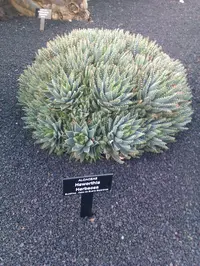
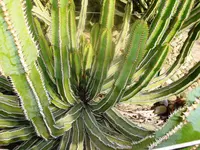
The slender candelabra naboom, Euphorbia avasmontana, is a succulent shrub forming upright, multi-branched columns that resemble a narrow candelabra. Stems are ridged, blue-green, and lined with spines, giving it a striking architectural look.

This species is native to arid regions of southern Africa, where it grows in rocky, well-drained habitats with intense sunlight. Its drought tolerance and slow, compact growth make it suitable for experienced beginners who want to care for Slender Candelabra Naboom.

It generally prefers bright light, minimal watering, and gritty, fast-draining soil. The plant is resilient when kept dry and stable, but it does not tolerate prolonged cold, poor drainage, or overwatering.

Main Plant Requirements

Care Difficulty

Easy Care

Light Preference

Full Sun

Water Requirements

Low Water

Temperature Preference

Tropical / Frost Sensitive

Hardiness Zone

10–11

Soil Texture

Sandy, Loamy, Rocky

Soil pH

Slightly acidic (6.5–7.0), Neutral (7.0)

Soil Drainage

Well-drained

Fertilization

Minimal (feed rarely)

Get Personalized Care Plan

Scan your plant to receive care tips personalized for your specific plant

Available on iOS and Android

How to Care for the Slender Candelabra Naboom

This succulent prefers strong light similar to its native arid habitats.

  • Provide 6–8 hours of direct sun daily in dry climates; in hotter regions, give morning sun and light afternoon shade to reduce scorch risk.
  • Outdoors, place Slender Candelabra Naboom in an open, unshaded spot, but shield from highly reflective surfaces that intensify midday sun.
  • If stems elongate, lean, or lose strong color, light is insufficient; move to a brighter position over 1–2 weeks to avoid shock.

This drought-adapted species stores moisture in its stems and needs infrequent, careful watering.

  • Water only when the top 3–5 cm of soil are completely dry; in warm growing seasons this may mean deep watering every 10–21 days depending on climate and soil.
  • Use sharply draining, gritty soil and containers or beds with large drainage holes to prevent standing water and root rot in Euphorbia avasmontana.
  • Signs of overwatering include yellowing, soft, or splitting stems, while severe wrinkling and shriveling indicate the plant has stayed dry for too long.

This plant prefers warm, dry conditions and is sensitive to prolonged cold and frost.

  • Aim for 70–85°F (21–29°C) during active growth, with slightly cooler nights; stable warmth supports steady stem development.
  • Protect from temperatures below 40°F (4°C); brief light chills may be tolerated, but frost can damage tissues and cause rot.
  • In hot summers above 95°F (35°C), provide airflow and some afternoon shade to limit heat stress, especially in reflective or enclosed sites.

This succulent tolerates dry indoor air and rarely needs special humidity management.

  • Aim for 30–50% relative humidity, similar to most heated or air-conditioned homes.
  • Dry, shriveling stems or soft, collapsing tissue usually come from watering issues, not humidity stress.
  • If air is extremely dry from heating, place the pot away from hot air vents rather than adding extra humidity.

This species needs a sharply draining, mineral-rich mix to prevent root and stem rot.

  • Use a gritty, sandy mix such as 50–70% inorganic material (pumice, coarse perlite, grit, or coarse sand) with 30–50% cactus potting mix.
  • Aim for slightly acidic to neutral pH, around 6.0–7.0, which suits Euphorbia avasmontana and limits nutrient issues.
  • Improve drainage and aeration by avoiding fine peat-heavy mixes that compact and stay wet around the roots.
  • Avoid dense, clay-based, or moisture-retentive soils that hold water longer than 2–3 days after a thorough watering.

This species is well suited to container growing due to its compact, upright succulent stems.

  • Choose a heavy ceramic or clay pot to counterbalance the tall, candelabra-like stems and reduce tipping risk.
  • Select a container only 2–4 in wider than the root mass to keep the mix drying evenly between waterings.
  • Ensure large, unobstructed drainage holes so excess water exits within seconds, preventing waterlogged conditions for Slender Candelabra Naboom.

This drought-tolerant succulent needs modest feeding to support steady growth in containers, especially for caring for Slender Candelabra Naboom.

  • Use a balanced liquid fertilizer (around 10-10-10) diluted to 25–50% strength for potted plants.
  • Feed every 4–6 weeks during the warm growing season when active growth is visible.
  • Avoid compost-rich mixes; use a lean, fast-draining cactus or succulent medium instead.
  • Stop feeding in winter dormancy, resuming only when new growth starts in spring.

Pruning Euphorbia avasmontana is mainly done to remove damaged tissue and maintain a safe, compact structure.

  • Best time is late winter to early spring, before strong new growth begins.
  • Cut away dead, diseased, or crossing stems to reduce rot risk and improve airflow.
  • Shorten overly tall or leaning branches to keep the plant stable and well-shaped.
  • Use sharp, disinfected tools and wear gloves, avoiding contact with the irritating milky sap.

Container-grown plants appreciate infrequent but careful repotting to refresh the soil and manage root crowding.

  • Look for roots circling the pot, bulging sides, or slowed growth as signs it needs more space.
  • Repot every 3–4 years in late spring, using a slightly larger pot with excellent drainage.
  • Handle the root ball gently, keeping most soil intact to reduce root stress and setback.
  • Allow any damaged roots to dry briefly, then replant and keep soil just lightly moist for 1–2 weeks.

This species is commonly propagated from stem cuttings taken in the warmer months.

  • Take firm, healthy stem sections in late spring or summer using clean, sharp tools.
  • Rinse off the milky sap and let cut surfaces callus for several days in a dry, shaded place.
  • Insert callused cuttings into sterile, gritty cactus mix and keep barely moist, never wet.
  • Provide bright, indirect light and warm temperatures (70–80°F) to support steady rooting.

Cold sensitivity means Euphorbia avasmontana needs thoughtful winter management, especially in containers.

  • Avoid exposure to hard frost; growth is safest above 40°F in most regions.
  • Move potted plants indoors or into a cool, bright greenhouse before night temperatures drop near freezing.
  • Keep soil almost dry in winter, watering just enough to prevent shriveling.
  • In mild climates, use a very gritty soil and a gravel mulch to keep the root zone well-drained.

Care Tips

Segmented potting

Use a wide, shallow pot and place several rooted cuttings in separate sectors of the same container so each stem has space to expand without crowding or rubbing, which reduces fungal issues at the base.

Prevent stem splitting

In late winter, reduce watering slightly and avoid sudden jumps in light intensity so new spring growth stays compact and stems are less likely to crack at branch junctions.

Root-zone inspection

Once a year, slide the plant gently out of its pot to check for circling, corky roots and trim only the most tightly wrapped ones, then repot at the same depth to maintain stability of the heavy top growth.

Safe handling routine

Always use nitrile gloves and eye protection when pruning or repotting, keep paper towels ready to blot the milky sap, and dispose of all cut material in a sealed bag so pets and people cannot contact the latex.

Summer hardening off

If moving the plant outdoors for part of the year, expose it to direct sun in 1–2 hour increments over 7–10 days to harden tissues and avoid sunscald while growing Slender Candelabra Naboom.

Common Pests and Diseases

Powdery mildew

This disease shows as white, dusty patches on stems and ribs, sometimes causing slight distortion of new growth on Slender Candelabra Naboom segments.

Solution

Improve airflow around the plant, avoid overhead watering, and remove heavily affected stems; in persistent cases, treat the plant with a sulfur-based or potassium bicarbonate fungicide labeled for succulents, applied in the early morning and kept off the eyes and skin due to the plant’s toxic latex.

Mealybugs

These insects appear as small white cottony clusters in stem joints and along ribs, often accompanied by sticky honeydew and sooty mold on the plant surface.

Solution

Isolate the plant, dab visible insects with cotton swabs dipped in 70% isopropyl alcohol, then rinse the plant gently; for larger infestations, use repeated applications of an insecticidal soap or neem oil spray, ensuring good coverage of crevices while avoiding intense direct sun immediately after treatment.

Spider mites

These pests cause fine webbing between ribs and tiny pale speckling on the green tissue, leading to a dull, stressed appearance under hot, dry indoor conditions.

Solution

Increase humidity slightly around the plant without wetting the soil surface, then rinse stems thoroughly with a firm but gentle stream of water; follow with several rounds of insecticidal soap or horticultural oil, targeting undersides and creases, and keep the plant out of strong sun until dry.

Scale insects

This pest forms small, hard, brown or gray bumps on stems that are difficult to remove and can cause yellowing and thinning of the plant’s ridges over time.

Solution

Scrape or pry individual scales off carefully with a blunt tool or cotton swab, then use a systemic insecticide or repeated horticultural oil treatments according to label directions, monitoring regularly for new hatchlings in crevices and around the base of stems.

Stem canker

This disease presents as sunken, brown to black lesions on the succulent stems, sometimes exuding latex and slowly expanding to girdle and kill segments.

Solution

Cut away affected stem sections back into healthy, firm tissue with a sterile blade, allow wounds to callus in a dry, bright area with good airflow, and reduce watering until new growth is stable; discard heavily infected pieces and keep the plant in fast-draining soil to limit further fungal development.

Interesting Facts

Namib escarpment specialist

This species is naturally restricted to rocky slopes of the central Namib escarpment region, where it grows in very shallow, mineral soils and intense sun exposure.

Candelabra growth strategy

Its many upright, 4–6-angled stems form a dense candelabra-like clump that shades its own root zone, reducing soil temperature and water loss in its arid habitat.

Spines and latex defense

Short paired spines and toxic white latex protect the plant from most herbivores; the latex is a typical euphorbia trait but the specific combination of stout spines and abundant sap makes this species especially unpalatable in the wild.

FAQs about Slender Candelabra Naboom

Growth is moderate for a succulent shrub. In warm, bright, frost-free conditions it may add about 5–15 cm per year, slowing in winter. Container plants usually grow more slowly than those planted in the ground.

Grow Healthy Plants with Botan Care

Keep your plants happy and healthy with plant identification, disease detection, and easy care guidance.

Botan plant care app — identify plants on mobile

Explore More Plants