Euphorbia azorica Care

Euphorbia azorica

About Euphorbia azorica

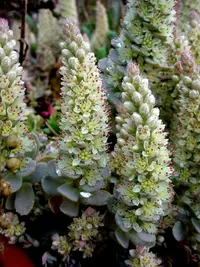
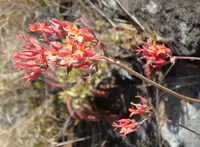
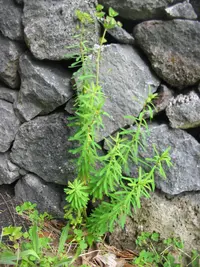
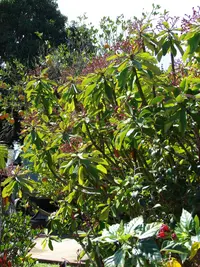
Euphorbia azorica is a small perennial spurgewort native to the Azores, where it grows in coastal and rocky habitats exposed to wind and salt spray. It typically forms low, branching clumps with narrow leaves and small, greenish-yellow floral structures called cyathia, which are characteristic of the Euphorbia genus.

This species is adapted to tough conditions and tends to be drought-tolerant once established. Its main challenge in cultivation is the need for sharp drainage and protection from prolonged winter wet. In mild climates, it can be grown outdoors in rock gardens or coastal plantings, while container culture allows more control for those who want to learn how to care for Euphorbia azorica.

Main Plant Requirements

Care Difficulty

Moderate Care

Light Preference

Full Sun

Water Requirements

Low Water

Temperature Preference

Warm Climate

Hardiness Zone

10–11

Soil Texture

Sandy, Rocky, Loamy

Soil pH

Slightly acidic (6.5–7.0), Neutral (7.0)

Soil Drainage

Well-drained

Fertilization

Minimal (feed rarely)

Get Personalized Care Plan

Scan your plant to receive care tips personalized for your specific plant

Available on iOS and Android

How to Care for the Euphorbia azorica

This coastal species prefers bright exposure with protection from harsh midday sun.

  • Provide 4–6 hours of direct morning sun with light shade or filtered light in the early afternoon, especially in warmer regions.
  • Tolerates open, full sun in cool, windy coastal sites, but in hotter inland areas use a south or east-facing position with some high, thin shade.
  • Insufficient light leads to elongated, weak stems, while intense afternoon sun can cause leaf scorch; adjust exposure seasonally as the sun angle changes.

This drought-tolerant plant prefers infrequent, deep watering and fast-draining soil.

  • Allow the top 3–5 cm of soil to dry before watering; in sandy coastal soils this may mean watering only after several dry days.
  • Use sharply draining, gritty soil or a rocky slope so excess water runs off quickly, reducing the risk of root rot in Euphorbia azorica.
  • In cooler months, water sparingly and watch for yellowing, mushy stems as a sign of overwatering, or shriveling and limp growth as signs of drought stress.

This species is adapted to mild, oceanic climates with limited temperature extremes.

  • Ideal growth occurs around 55–75°F (13–24°C), with steady, cool to warm conditions supporting compact, healthy stems.
  • Tolerates brief drops to about 40°F (4°C) if soil is well-drained, but foliage and stems may be damaged by frost below 32°F (0°C).
  • Handles summer highs up to about 85–90°F (29–32°C) if soil does not stay wet and plants receive light afternoon shade during very hot, still periods.

This species grows well in relatively dry air and does not need elevated humidity.

  • Aim for 30–50% humidity, similar to most heated indoor environments.
  • Dry indoor air is usually tolerated; prioritize light and drainage rather than humidity adjustments.
  • Humidity stress appears mainly as soft, rotting tissue from excess moisture around stems, so avoid misting and keep foliage dry.

This coastal euphorbia prefers very free-draining, sandy or gritty soil with low organic content.

  • Use a cactus/succulent mix amended with extra coarse sand or fine gravel to increase drainage.
  • Aim for a slightly alkaline to neutral pH around 7.0–7.8, avoiding strongly acidic substrates.
  • Keep texture open and airy; incorporate 30–50% mineral grit such as pumice, perlite, or small gravel.
  • Avoid compacted, clay-heavy, or peat-rich mixes that hold water around the roots and promote rot in Euphorbia azorica.

This species is suitable for container growing, especially where natural rocky soil conditions are hard to replicate.

  • Choose a wide, shallow pot to match its spreading root system and reduce the risk of water sitting in deep soil layers.
  • Select unglazed terracotta if possible, as it allows faster evaporation and keeps the mix drier between waterings.
  • Raise the container slightly on pot feet or blocks so drainage holes clear quickly and runoff does not pool under the base.

This coastal euphorbia is adapted to lean soils and usually needs only modest feeding in cultivation.

  • Use a light application of balanced NPK fertilizer or well‑matured compost in spring to support new growth.
  • Feed container plants every 6–8 weeks in the growing season at 1/2–1/4 label strength to prevent salt buildup.
  • Avoid fertilizing in late fall and winter, when growth slows and Euphorbia azorica rests.
  • Ensure soil is well drained and never fertilize drought‑stressed plants, as this increases root damage risk.

Pruning helps maintain a compact, healthy form while preserving the natural habit of Euphorbia azorica.

  • Carry out main pruning in late winter or early spring before strong new growth begins.
  • Remove dead, damaged, or diseased stems first, then thin crowded shoots to improve airflow and light penetration.
  • Lightly shorten overly long stems to refine shape without cutting back into very old, woody growth.
  • Use clean, sharp pruners and wear gloves, as the milky sap can irritate skin and eyes.

This species is more often grown in the ground, but container plants benefit from occasional repotting to maintain vigor.

  • Plan to move plants to a slightly larger pot every 2–3 years, or when roots circle the container and growth slows.
  • Repot or transplant in spring, when active growth helps roots reestablish quickly after disturbance.
  • Use a sharply drained, gritty mix and handle the root ball gently, loosening only lightly to limit root stress.
  • Water thoroughly after repotting, then allow the mix to dry moderately before the next watering to prevent rot.

Propagation of Euphorbia azorica is typically done by stem cuttings or seeds under controlled conditions.

  • Take non‑flowering stem cuttings in late spring or early summer, allowing cut surfaces to dry and callus before planting.
  • Wear gloves and rinse off milky sap, which is a latex that can irritate skin and eyes, before inserting cuttings in a gritty mix.
  • Provide bright, indirect light, warm temperatures around 70–75°F, and minimal but consistent moisture to encourage rooting.
  • Sow seeds on the surface of a free‑draining medium, keep slightly moist, and maintain gentle warmth for even germination.

This mild-climate species has limited frost tolerance and needs some protection in colder regions.

  • In areas below about 25–30°F, grow Euphorbia azorica in containers and move under cover before hard frosts.
  • For in-ground plants in marginal climates, apply a light, dry mulch around the root zone, keeping it off the stems.
  • Keep soil on the dry side in winter, as cold, wet conditions increase the risk of root and stem rot.

Care Tips

Handle Sap Safely

Wear gloves and avoid touching your face or eyes when cutting or repotting, as the milky latex sap is irritating and should be rinsed off skin with plenty of water if contact occurs.

Use Mineral Mulch

Apply a thin layer of coarse grit, pumice, or small lava rock on the soil surface to keep stems dry at the base, reduce algae and fungus growth, and improve stability in windy coastal sites.

Gradual Light Hardening

When moving plants from nursery shade to a sunnier outdoor position, increase light exposure over 7–10 days to prevent stem scorch and allow tissues to adapt to higher UV and heat levels.

Wind Exposure Management

In exposed coastal gardens, group plants in low mounds or behind stones to break wind, which reduces mechanical stress on brittle stems and limits evaporation from the root zone.

Targeted Pest Monitoring

Inspect stem joints and undersides weekly during warm months for aphids and mealybugs, and treat early with a cotton swab dipped in 70% isopropyl alcohol to avoid distorted new growth when caring for Euphorbia azorica.

Common Pests and Diseases

Powdery mildew

This disease shows as white, powdery patches on leaves and stems, often appearing in warm, dry air with poor air movement near the coastal habitats where this species grows. Symptoms include reduced vigor and distorted new growth when infection is strong.

Solution

Remove the most affected shoots, improve air circulation around the plant, and avoid overhead watering that keeps foliage damp for long periods. For persistent cases, apply a sulfur- or potassium bicarbonate-based fungicide labeled for ornamental succulents, following the product directions carefully.

Stem canker

This disease causes dark, sunken lesions on the fleshy stems, which can lead to cracking, oozing sap, and dieback above the affected area. Symptoms include local stem collapse, especially after mechanical injury or cold stress.

Solution

Cut out affected sections well into healthy tissue with a sterile blade and dispose of infected material. Keep stems dry, avoid wounding, and in outdoor plantings use a copper-based fungicide on pruning cuts or damaged tissue where stem canker is recurrent, as part of broader Euphorbia azorica care instructions in exposed sites.

Aphids

These insects cluster on young shoots and flower stems, sucking sap and causing curling, distortion, and sticky honeydew that can attract sooty mold. This pest is more common on plants growing in nutrient-rich, sheltered garden or container conditions.

Solution

Wash colonies off with a firm stream of water and pinch back heavily infested shoot tips. If needed, treat remaining insects with insecticidal soap or a light horticultural oil, repeating applications as new aphids appear and avoiding spraying in strong sun.

Spider mites

These pests are tiny sap-sucking arachnids that cause fine speckling, dulling of the green stems, and slight webbing in sheltered, dry conditions. Symptoms include overall loss of vigor and a rough, stippled texture on affected surfaces.

Solution

Rinse stems thoroughly with water, including undersides and crevices, and slightly increase humidity around container plants without keeping the soil wet. For persistent infestations, use a horticultural oil or miticide labeled for ornamental use, applied carefully to all plant surfaces.

Mealybugs

These insects appear as small white cottony clusters in stem joints and protected areas, feeding on sap and excreting honeydew that can support sooty mold. This pest is more frequent on potted plants or sheltered collections of succulents and euphorbias.

Solution

Remove visible clusters with a cotton swab dipped in 70% isopropyl alcohol and prune heavily infested stems. Inspect regularly and, if needed, apply insecticidal soap or systemic granules labeled for mealybug control on ornamental succulents, taking care not to overwater while the plant recovers.

Interesting Facts

Azores coastal specialist

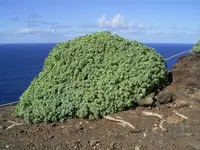
This species is naturally restricted to coastal cliffs and rocky shores of the Azores archipelago, where it grows in crevices exposed to salt spray and strong winds.

Compact cushion growth

It forms low, dense cushions or mats with many short, branching stems, an adaptation that helps reduce water loss and withstand ocean winds in its native habitat.

Protected island endemic

As a narrow Azorean endemic with a limited distribution, it is included in regional conservation assessments and habitat protection efforts focused on the native coastal flora.

FAQs about Euphorbia azorica

This species forms low, clumping mats and can spread gradually, but it is not known as an aggressive or invasive spreader. Growth is usually contained, especially in poorer, rocky soils with limited organic matter.

Grow Healthy Plants with Botan Care

Keep your plants happy and healthy with plant identification, disease detection, and easy care guidance.

Botan plant care app — identify plants on mobile

Explore More Plants