

Strategic pinching
Pinch back soft shoot tips in early spring and again mid-season to keep stems compact, encourage more branching, and increase the number of flower-bearing shoots.

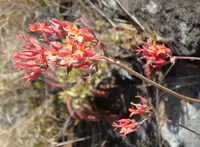
Nentakalanchoe, botanically known as Kalanchoe rotundifolia, is a small succulent shrub with upright, branching stems and rounded, often bluish-green leaves. It is valued for its airy clusters of small, brightly colored flowers that appear above the foliage.
This species occurs naturally in parts of southern Africa, where it grows in rocky, well-drained habitats with strong light and seasonal dryness. Its succulent leaves store water, which makes it relatively forgiving of short dry spells and suitable for indoor containers.
Light, fast-draining soil, and careful watering are the main points to understand when learning how to care for Nentakalanchoe.

Care Difficulty
Easy Care

Light Preference
Full Sun

Water Requirements
Low Water

Temperature Preference
Tropical / Frost Sensitive

Hardiness Zone
10–11

Soil Texture
Sandy, Loamy, Rocky

Soil pH
Acidic (5.5–6.5), Slightly acidic (6.5–7.0)

Soil Drainage
Well-drained

Fertilization
Minimal (feed rarely)
Scan your plant to receive care tips personalized for your specific plant
Available on iOS and Android
This sun-loving succulent prefers bright, direct light but needs some protection from harsh extremes.
This drought-tolerant succulent stores water in its leaves and prefers drying out between soakings.
This species prefers warm, dry conditions and is sensitive to cold and frost.
This succulent handles typical indoor humidity easily and rarely needs special adjustments.
This species needs a very fast-draining, airy mix that mimics sandy, rocky ground.
This species is very suitable for container growing, both indoors and outdoors in mild climates.
This drought-tolerant succulent needs modest feeding, but light fertilization improves flowering and overall vigor when growing Kalanchoe rotundifolia.
Pruning Kalanchoe rotundifolia helps keep plants compact, encourages branching, and maintains healthy growth.
Container-grown plants benefit from occasional repotting to maintain root health and provide fresh, well-drained substrate.
New Kalanchoe rotundifolia plants are most often produced from stem cuttings, which root reliably in warm, bright conditions.
This succulent is frost-sensitive and needs protection in regions with freezing winters.

Plant Health Check
Not sure what's wrong with your plant? Check your plant's health inside the app.
The fleshy, rounded leaves often take on reddish or bronze tones in strong light or during dry seasons, a response linked to increased pigments called anthocyanins that help protect tissues from intense sun.
It produces tall, branched flowering stems (panicles) topped with clusters of tubular orange to red flowers, which are adapted for pollination by sun-loving insects such as bees and butterflies in its native habitats.
In the wild it frequently grows on rocky slopes and shallow soils in southern Africa, where its thick leaves store water and its shallow, fibrous roots quickly absorb brief rainfall events.

This species has become naturalized in some regions outside its native southern African range, where its ability to reproduce from small stem fragments and tolerate drought allows it to establish on disturbed, rocky sites.
Lack of blooming usually comes from insufficient light, too much nitrogen fertilizer, or no rest period. Provide bright conditions, use a balanced or low‑nitrogen feed, and allow slightly cooler, drier conditions before the expected flowering season.
Keep your plants happy and healthy with plant identification, disease detection, and easy care guidance.

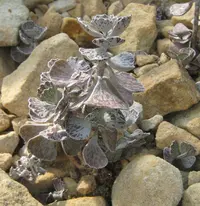
Pies from Heaven
Kalanchoe rhombopilosa
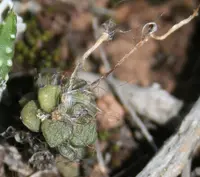
Anacampseros retusa
Anacampseros retusa
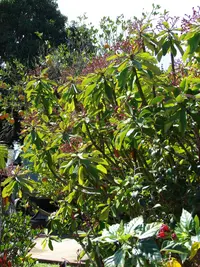
Euphorbia bicompacta
Euphorbia bicompacta
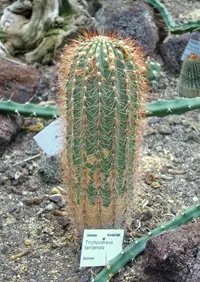
Soehrensia tarijensis
Soehrensia tarijensis
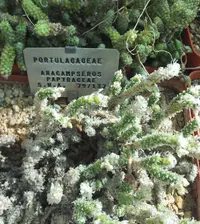
Anacampseros papyracea
Anacampseros papyracea
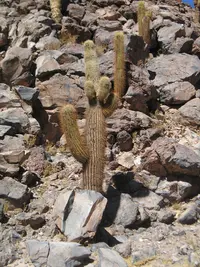
Leucostele atacamensis
Leucostele atacamensis
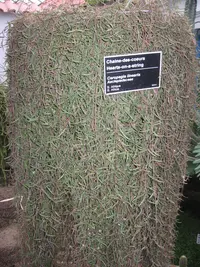
Heartleaf Lanternvine
Ceropegia linearis
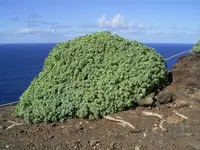
balsam spurge
Euphorbia balsamifera