limestone sandmat Care (Euphorbia blodgettii)

limestone sandmat

About limestone sandmat

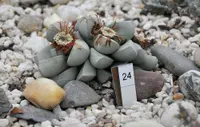
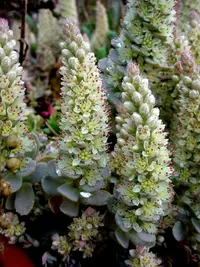
Limestone sandmat (Euphorbia blodgettii) is a small, mat-forming perennial herb native to rocky limestone habitats in southern Florida and nearby coastal areas. It typically grows very low to the ground, creating a thin, spreading carpet of fine stems and small leaves.

This species is adapted to high light, heat, and well-drained, often shallow soils over limestone rock. It tends to be tough once established but can be sensitive to excess moisture and poor drainage.

Because it is specialized for dry, open sites, it is not a typical houseplant, but some enthusiasts care for limestone sandmat in rock gardens or specialized native plant collections.

Main Plant Requirements

Care Difficulty

Moderate Care

Light Preference

Full Sun

Water Requirements

Low Water

Temperature Preference

Tropical / Frost Sensitive

Hardiness Zone

10–11

Soil Texture

Sandy, Rocky, Loamy

Soil pH

Slightly acidic (6.5–7.0), Neutral (7.0)

Soil Drainage

Well-drained

Fertilization

Minimal (feed rarely)

Get Personalized Care Plan

Scan your plant to receive care tips personalized for your specific plant

Available on iOS and Android

How to Care for the limestone sandmat

This coastal euphorbia thrives in bright, open sites with strong light but some protection from the harshest sun.

  • Provide 6–8 hours of direct sun daily, ideally with morning sun and light afternoon shade, especially away from the immediate coast.
  • Limestone sandmat tolerates light, shifting partial shade, but stems may stretch and flowering may decrease if it receives under 4 hours of direct sun.
  • In hot summers, protect from highly reflective midday exposure to reduce scorch, while in winter ensure the site stays as unshaded as possible.

This species is drought tolerant and prefers infrequent, careful watering.

  • In the ground, water only when the top 3–5 cm of soil are completely dry and the plant looks slightly less turgid, then soak and let drain fully.
  • Use very fast-draining, rocky or sandy soil; standing water, clay pockets, or poorly drained depressions greatly increase root rot risk in Euphorbia blodgettii.
  • During cooler months, reduce watering to occasional deep drinks after prolonged dry spells; yellowing, mushy stems signal overwatering, while shriveling tips suggest underwatering.

This species prefers warm, frost-free conditions typical of subtropical coastal habitats.

  • Aim for 70–85°F (21–29°C) during active growth; short spikes to 90–95°F (32–35°C) are tolerated if soil is well drained and not waterlogged.
  • Protect from cold; growth slows below 60°F (16°C) and tissue damage often occurs near 32°F (0°C), especially with wet soil or wind exposure.
  • In regions with occasional light frost, plant in the warmest microclimate, provide gritty soil, and use temporary covers when temperatures are forecast to drop near freezing.

This species tolerates a wide humidity range and rarely needs special humidity management indoors.

  • Aim for 30–50% humidity; typical indoor air is adequate for limestone sandmat.
  • Dry air is usually tolerated, but prolonged exposure to hot drafts can desiccate stems and leaf edges.
  • If stems shrivel without root rot or underwatering, slightly raise humidity by grouping plants or placing the pot above, not in, a pebble tray.

This species prefers very fast-draining, mineral-based soil with ample air around the roots.

  • Use a gritty mix such as 50–60% coarse sand or fine gravel, 20–30% perlite or pumice, and 10–20% lean organic matter like composted bark.
  • Ensure the structure stays loose; avoid compacted or peat-heavy mixes that hold water against the roots.
  • Aim for slightly alkaline to neutral pH (7.0–8.0), which reflects the calcareous habitats of Euphorbia blodgettii.
  • Improve aeration and drainage further by raising the planting area or using a rocky top dressing to keep stem bases dry.

This species is suitable for container growing when the pot is set up to shed water rapidly.

  • Choose a shallow, wide pot to match its low, spreading habit and prevent excess unused wet soil volume.
  • Select unglazed terracotta if outdoor temperatures allow, as it speeds evaporation and reduces root-zone stagnation.
  • Stabilize the container with a heavy mineral top dressing or weight in windy sites so the light, gritty mix does not let the pot tip over.

This species is adapted to very lean, rocky soils and needs only minimal feeding in cultivation.

  • Use a light application of compost or a low-strength balanced NPK fertilizer (such as 10-10-10) once in spring for limestone sandmat grown in containers.
  • Dilute liquid fertilizer to 25–50% strength to avoid root burn and excess, weak growth.
  • Skip feeding in fall and winter, when growth slows or stops.
  • On plants growing in ground in native-style, nutrient-poor sites, additional fertilizer is usually unnecessary.

Pruning is light and mainly used to maintain shape and remove stressed growth on Euphorbia blodgettii.

  • Best timing is late winter to early spring, just before active growth starts.
  • Use clean, sharp scissors or pruning snips to remove dead, damaged, or crossing stems.
  • Thin congested areas slightly to maintain an open, low mat and reduce disease risk.
  • Avoid heavy cutting into old, woody stems, which can recover slowly and distort the natural form.

This species is usually grown in the ground, but container plants and new plantings may occasionally need transplanting.

  • Look for roots circling the pot, water running straight through, or stalled growth as signs a container plant needs a larger pot.
  • Plan transplanting or repotting for late winter to early spring, and typically no more often than every 2–3 years.
  • Choose a shallow, very free-draining mix, disturb roots as little as possible, and replant at the same depth.
  • Water lightly after moving, then allow the mix to dry somewhat to limit root stress and rot risk.

Propagation is usually done in controlled settings by seed or cuttings rather than in home gardens.

  • Stem cuttings taken in late spring or early summer root best when allowed to dry briefly, then placed in a gritty, well-drained mix.
  • Wear gloves and avoid skin contact with the milky sap, which can irritate skin and eyes.
  • Provide bright, indirect light, warm temperatures around 70–80°F, and low to moderate moisture during rooting.
  • Seeds, if available, need a very free-draining medium, warmth, and consistent but light moisture for germination.

This warm-adapted species has low frost tolerance and benefits from basic winter precautions in colder regions.

  • In USDA zones warmer than 9, plants in the ground usually need little more than naturally well-drained soil in winter.
  • In cooler areas, grow in containers and move indoors or into a frost-free, bright space before temperatures drop near 32°F.
  • Avoid waterlogged soil in winter; keep the mix barely moist to reduce root rot risk.

Care Tips

Root-zone protection

Place a 2–3 cm layer of coarse mineral mulch (crushed granite, small gravel) around the crown to keep stems dry at the base and reduce rot risk without trapping excess moisture in the soil.

Salt-tolerant siting

In coastal areas, position plants where they receive good air movement but are slightly shielded from direct road or de-icing salt splash, since chronic salt spray can burn foliage and weaken growth over time.

Low-impact weeding

Hand-weed rather than hoeing close to the plant, since shallow, wiry roots are easily damaged by tools and injuries can become entry points for fungal pathogens.

Cutting sanitation

When removing damaged stems, use a clean, sharp blade and rinse tools in 70% isopropyl alcohol between plants to limit the spread of sap-borne diseases and pests.

Wildlife-aware placement

Site plants away from high-traffic play areas and label them clearly, as the milky sap can irritate skin and eyes, which is an important consideration when caring for limestone sandmat in shared outdoor spaces.

Common Pests and Diseases

Spider mites

This pest feeds on the undersides of stems and leaves, causing stippling, fine webbing, and gradual yellowing on stressed plants in hot, dry conditions.

Solution

Rinse plants thoroughly with a firm stream of water, then repeat every few days; if needed, apply insecticidal soap or horticultural oil, making sure to coat stems and crevices while the plant is shaded and temperatures are below 85°F.

Mealybugs

These insects hide in stem joints and along succulent stems, appearing as white cottony clusters that excrete sticky honeydew and can weaken plants over time.

Solution

Remove visible insects with a cotton swab dipped in 70% isopropyl alcohol, then follow with repeated applications of insecticidal soap or a light horticultural oil, focusing on stem nodes and any sheltered crevices.

Scale insects

These insects attach firmly to stems as small tan or brown bumps, sucking sap and sometimes causing localized yellowing or dieback on thin, woody portions of the plant.

Solution

Gently scrape or rub off individual scales with a soft brush or cloth, then treat remaining populations with horticultural oil, repeating at 7–10 day intervals to cover newly emerged crawlers while monitoring for plant sensitivity.

Powdery mildew

This disease appears as a white to gray powdery coating on stems and nearby vegetation when airflow is poor and humidity fluctuates, especially in partially shaded coastal or hammock sites.

Solution

Improve air movement, avoid overhead watering, and remove heavily affected stems; where needed, apply a sulfur or potassium bicarbonate fungicide labeled for ornamentals, following label intervals and avoiding use during very hot weather.

Stem canker

Symptoms include sunken, discolored lesions on stems that may lead to cracking or dieback, often after mechanical injury or prolonged moisture on the lower plant parts.

Solution

Prune out affected stem sections several inches below visible damage with sterile tools, improve drainage and air circulation around the plant, and avoid wounding stems or allowing mulch or debris to rest directly against them.

Interesting Facts

South Florida endemic

This species is naturally restricted to extreme south Florida, mainly on limestone rocklands and coastal berms, and does not occur naturally outside this small regional range.

Limestone specialist

It grows in very thin, alkaline soils over oolitic limestone, where many other plants struggle, and its low, mat-forming habit helps it exploit small rock crevices and pockets of soil.

Federally listed status

Euphorbia blodgettii is listed as a threatened species under the U.S. Endangered Species Act due to habitat loss, coastal development, and fragmentation of its already limited range.

Botan icon

Did you know?

This species is often used as an indicator of relatively intact South Florida pine rockland and coastal rock barren habitat, because it persists mainly where the native rockland structure and natural disturbance regime, especially fire, are still functioning.

FAQs about limestone sandmat

This species forms low, mat-like patches and spreads slowly by short stems rather than running roots. It usually stays well contained in garden settings and is unlikely to overrun nearby plants under normal conditions.

Grow Healthy Plants with Botan Care

Keep your plants happy and healthy with plant identification, disease detection, and easy care guidance.

Botan plant care app — identify plants on mobile

Explore More Plants