Wear protective gear
Always use nitrile gloves and eye protection when handling stems or roots, as the milky latex sap can irritate skin and eyes and may cause reactions in sensitive individuals.

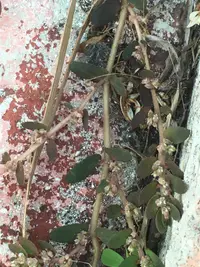
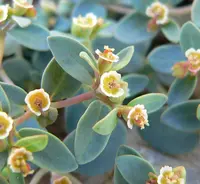
Euphorbia dioeca is a small, shrubby euphorbia known for its slender, often woody stems and modest, greenish flowering structures rather than showy blooms. It typically forms loose clumps and has a tidy, architectural look.
This species is native to southern Africa, where it grows in dry, open habitats with well-drained, often rocky soils. It has the drought tolerance typical of many Euphorbia species, which can make it resilient in cultivation if overwatering is avoided.
For those learning how to care for Euphorbia dioeca, it generally prefers bright light, low to moderate watering, and a gritty, fast-draining substrate to keep roots healthy over time.

Care Difficulty
Moderate Care

Light Preference
Full Sun

Water Requirements
Low Water

Temperature Preference
Warm Climate

Hardiness Zone
Unknown

Soil Texture
Sandy, Loamy, Rocky

Soil pH
Slightly acidic (6.5–7.0), Neutral (7.0)

Soil Drainage
Well-drained

Fertilization
Minimal (feed rarely)
Scan your plant to receive care tips personalized for your specific plant
Available on iOS and Android
This sun-loving succulent performs best with strong, controlled light exposure.
This species prefers infrequent, deep watering with thorough drying between soakings.
This plant thrives in warm, arid conditions and dislikes prolonged cold or excess humidity.
This species tolerates dry indoor air and does not have demanding humidity requirements.
Use a very fast-draining, mineral-rich mix to prevent root rot in Euphorbia dioeca.
This species adapts well to container growing when drainage and stability are managed carefully.
This drought-adapted species needs only light feeding in cultivation, as Euphorbia dioeca is naturally efficient on poor soils.
Pruning needs are modest and mainly relate to tidying and maintaining a stable structure in Euphorbia dioeca plantings.
This species is more often grown in the ground than in pots, so focus on gentle transplanting rather than frequent repotting.
Propagation of this euphorbia is possible but tends to be a more specialist task than routine home division.
Mature plants are generally hardy in mild climates but benefit from simple winter precautions, especially when young or container-grown.

Plant Health Check
Not sure what's wrong with your plant? Check your plant's health inside the app.
Euphorbia dioeca is naturally restricted to parts of southern Africa, where it grows in open, rocky habitats and grassland margins, often in full sun and well-drained, stony soils.
True to its name, this species is dioecious, meaning individual plants bear only male or only female flowers, so seed production in cultivation depends on growing both sexes together.
Like many members of the genus, it produces a white, irritant latex that deters herbivores and seals wounds, a trait that requires careful handling when growing Euphorbia dioeca in home collections.
This species has a milky sap that is irritating and potentially toxic if ingested. It can cause mouth and stomach upset, and skin or eye irritation. Keep away from children, pets, and always handle with gloves.
Keep your plants happy and healthy with plant identification, disease detection, and easy care guidance.