Euphorbia dracunculoides Care

About Euphorbia dracunculoides

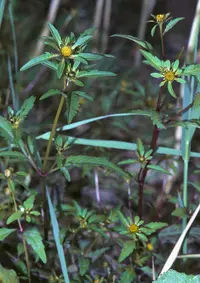
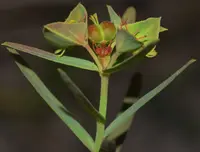
Euphorbia dracunculoides is a small annual spurge with slender, branching stems and narrow leaves, often forming loose, open clumps. Its tiny greenish flower structures sit at the tips of the stems and give the plant a delicate, airy look.

This species occurs mainly in dry, open habitats across parts of the Mediterranean region and western Asia, where it is adapted to lean soils and seasonal drought. It suits growers who prefer low-maintenance plants but can be short-lived and somewhat unpredictable in habit.

Understanding how to care for Euphorbia dracunculoides starts with knowing it prefers plenty of light, well-drained soil, and only moderate moisture, especially in cool or wet climates.

Main Plant Requirements

Care Difficulty

Moderate Care

Light Preference

Full Sun

Water Requirements

Low Water

Temperature Preference

Warm Climate

Hardiness Zone

9–11

Soil Texture

Sandy, Loamy, Rocky

Soil pH

Slightly acidic (6.5–7.0), Neutral (7.0)

Soil Drainage

Well-drained

Fertilization

Minimal (feed rarely)

Get Personalized Care Plan

Scan your plant to receive care tips personalized for your specific plant

Available on iOS and Android

How to Care for the Euphorbia dracunculoides

This sun-loving species needs strong light but benefits from some protection at the hottest times of day.

  • Provide 6–8 hours of direct sun, ideally with morning sun and light afternoon shade in hotter regions.
  • Tolerates bright, open exposure, but in summer, harsh midday sun can scorch stems; use light shade cloth or nearby plants to filter it.
  • In cooler seasons, maximize light by avoiding shade from taller plants or structures so Euphorbia dracunculoides keeps compact growth.

This drought-tolerant species prefers infrequent, deep watering and fast-draining soil.

  • Allow the top 3–5 cm of soil to dry fully before watering; in hot, dry weather this may mean watering every 7–14 days, less often in cool periods.
  • Use gritty, sharply draining soil and raised beds or mounds so water does not pool around the roots.
  • Watch for overwatering signs such as yellowing, soft or splitting stems, and for underwatering signs like shriveling and slow recovery after rain.

This species prefers warm, dry conditions and is sensitive to prolonged cold and frost.

  • Optimal growth occurs around 65–80°F (18–27°C), with steady warmth supporting compact, healthy stems.
  • Avoid temperatures below 40°F (4°C); brief light frosts may burn tissues, while hard frost can kill the plant to the roots.
  • In hot summers above 90°F (32°C), it generally copes if soil drains quickly and the base is not exposed to reflected heat from walls or rock.

This species is adapted to dry climates and usually does well in 30–50% humidity.

  • Tolerates typical indoor dry air and does not require misting or humidifiers.
  • Watch for soft, pale, or rotting stems, which indicate excess humidity combined with poor air movement.
  • If air is very humid, increase airflow around the plant and ensure the potting mix dries quickly between waterings.

This species requires a very fast-draining, mineral-heavy mix to prevent root and stem rot.

  • Use a cactus or succulent base mix amended with coarse sand and grit, aiming for 60–80% inorganic materials for structure.
  • Ensure the texture stays loose and airy; add perlite, pumice, or small gravel to improve pore spaces and drainage.
  • Target a slightly alkaline to neutral pH around 7.0–7.8, avoiding strongly acidic mixes high in peat moss.
  • Avoid dense, water-retentive clay or compost-heavy blends, which keep roots wet and encourage fungal problems.

This species is suitable for container growing when drainage and root-zone dryness are carefully controlled.

  • Choose a wide, shallow pot so the fibrous roots spread without sitting in deep, wet substrate.
  • Select unglazed terracotta if possible, as it allows faster evaporation and helps keep the mix dry between waterings.
  • Elevate the container on feet or mesh so drainage holes remain clear and runoff leaves the pot quickly.

This drought-adapted species needs only light feeding in most garden soils, so focus on modest nutrients rather than rich fertilizer regimes.

  • Use a low-dose, balanced liquid fertilizer (around 10-10-10) at 1/4–1/2 strength during active growth in spring–early summer.
  • Apply no more than every 4–6 weeks, and skip feeding on nutrient-rich or recently amended soils.
  • Avoid manure-heavy compost; use a thin layer of mature, screened compost if soil is very poor.
  • Stop fertilizing Euphorbia dracunculoides in late summer and do not feed during winter dormancy.

Pruning needs are minimal and mainly aimed at keeping the plant tidy and healthy.

  • Best time is late winter to early spring before strong new growth begins.
  • Remove dead, damaged, or diseased stems first, then thin very crowded shoots if necessary.
  • Use clean, sharp hand pruners and wear gloves to avoid contact with the irritating latex sap.
  • Light shaping can control spread, but heavy cutting may reduce flowering and stress plants in dry sites.

This species is usually grown in the ground; transplanting is done infrequently and only when clearly necessary.

  • Consider moving the plant if growth stalls, flowering declines, or clumps become congested.
  • Plan transplanting for early spring or early fall, avoiding hot, dry weather to limit stress.
  • Lift with a broad soil ball, keep roots shaded and slightly moist, and replant at the same depth.
  • Water thoroughly after planting, then allow soil to dry slightly between waterings to encourage root re-establishment.

Propagation is usually done by seed or carefully handled cuttings, as the plant’s latex sap is irritating.

  • Collect ripe seeds and sow them in spring in a sharply drained, sandy mix kept just lightly moist.
  • Provide bright light, good air movement, and temperatures around 65–75°F for germination and seedling growth.
  • For cuttings, take non-flowering stems in late spring, let the milky sap dry, then plant in a gritty medium.
  • Wear gloves when handling Euphorbia dracunculoides, and avoid overwatering young plants, which are prone to rot.

In mild climates this species is fairly cold tolerant but benefits from light winter precautions in colder regions.

  • Tolerates light frost once established but may suffer damage in prolonged freezes below about 20°F.
  • Apply a thin, dry mulch layer around the root zone in late fall, keeping it off the stems.
  • In containers, move plants to a bright, frost-free area and keep soil on the dry side through winter.

Care Tips

Use mineral mulch

Apply a 1–2 cm top dressing of coarse gravel or small stones around the crown to keep stems dry at the base, stabilize soil temperature, and discourage algae or moss in pots.

Controlled self-seeding

If you want a small colony, leave a few mature seed pods to dry on the plant, then shake or tap them gently over bare, well-drained soil in late spring so new seedlings establish in the most suitable spots.

Glove-safe handling

Always wear nitrile or latex gloves and long sleeves when cutting or repotting, and keep a damp cloth ready to wipe off any visible white sap from tools or surfaces immediately to reduce skin irritation risk.

Targeted stem support

In windy or exposed sites, place low, unobtrusive wire hoops or short bamboo canes and soft ties around the outer stems so the brittle, succulent shoots are supported without constricting growth.

Rotation for even form

Turn containers 90° every 2–3 weeks during active growth so stems develop evenly and do not lean, which is especially useful when growing Euphorbia dracunculoides in bright windows or under one-sided light.

Common Pests and Diseases

Powdery mildew

This disease causes a white to gray, powdery film on leaves and young shoots, especially in dense plantings or humid conditions.

Solution

Remove and destroy heavily infected leaves and any nearby plant debris, then thin overcrowded plants to improve air movement and reduce leaf wetness duration. In prolonged humid weather, apply a sulfur or potassium bicarbonate fungicide labeled for ornamentals, making sure to cover both upper and lower leaf surfaces and repeat as directed if conditions persist.

Aphids

These insects cluster on tender stems and flower stalks, sucking sap and causing curling or distortion, and they may excrete sticky honeydew that attracts sooty mold.

Solution

Dislodge colonies with a firm stream of water, then spot-treat remaining aphids with insecticidal soap or a light horticultural oil, avoiding application in full, hot sun. Monitor new growth regularly and treat early infestations quickly to keep growing Euphorbia dracunculoides vigorous and reduce the buildup of winged aphids.

Spider mites

These pests thrive in hot, dry sites, causing fine speckling, dull foliage, and in heavier cases, delicate webbing on stems and undersides of leaves.

Solution

Rinse foliage thoroughly, paying special attention to the undersides of leaves, and repeat every few days to disrupt their life cycle. If populations remain high, use a horticultural oil or a miticide labeled for ornamental plants, and maintain slightly higher ambient humidity and reduced dust to make conditions less favorable for mites.

Scale insects

These insects appear as small, fixed bumps on stems and sometimes leaves, feeding on sap and weakening shoots over time while leaving sticky honeydew on nearby surfaces.

Solution

Gently scrape or rub off individual scales with a cotton swab or soft brush, then treat infested areas with a light horticultural oil to smother remaining juveniles. Inspect plants regularly, especially along older stems and branch nodes, and remove heavily infested stems if necessary to prevent reinfestation.

Leaf spot

This disease produces small, dark, often irregular spots on foliage, sometimes with pale halos, which can coalesce and cause premature leaf drop in wet or crowded conditions.

Solution

Prune out and discard affected leaves and any dense, crossing stems to improve airflow, and water at soil level so leaves dry quickly after irrigation or rain. In recurring cases, apply a copper-based or other labeled ornamental fungicide at the first sign of spotting, and rotate products when possible to reduce resistance risk.

Interesting Facts

Mediterranean steppe specialist

This annual spurge is native to dry steppe and field habitats from the eastern Mediterranean through parts of the Middle East and Central Asia, where it grows in disturbed soils, field margins, and semi-arid grasslands.

Distinctive narrow leaves

It is characterized by very slender, linear leaves that give plants a fine, almost feathery appearance compared with many broader-leaved spurges in the same region.

Cyathia with horned glands

Its tiny, petal-like floral structures form typical Euphorbia cyathia, but with small horned nectar glands that help attract pollinators in otherwise sparse, dry habitats.

FAQs about Euphorbia dracunculoides

This species contains a milky latex sap that is irritating and potentially toxic if ingested. It can cause nausea, vomiting, and mouth irritation, and the sap may burn skin or eyes. Keep away from children and pets.

Grow Healthy Plants with Botan Care

Keep your plants happy and healthy with plant identification, disease detection, and easy care guidance.

Botan plant care app — identify plants on mobile

Explore More Plants