common mallow Care (Malva neglecta)

Also known as: dwarf mallow, greater cheeseweed
common mallow

About common mallow

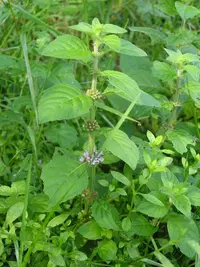
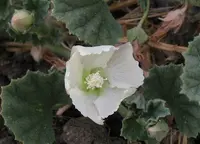
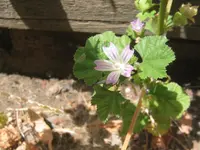
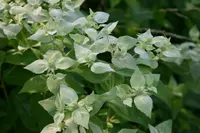
Common mallow, Malva neglecta, is a low-growing herbaceous plant often found in lawns, garden beds, and disturbed soils. It spreads in a mat-like form with rounded, slightly crinkled leaves and pale pink to whitish flowers.

This species is native to parts of Europe and Asia but is now naturalized across much of North America. It is adaptable and can grow in many soil types, which makes it persistent once established.

Understanding how to care for common mallow is useful because it tolerates drought, compaction, and poor soils. It generally prefers full sun to light shade and moderately moist, well-drained ground.

Main Plant Requirements

Care Difficulty

Easy Care

Light Preference

Full Sun

Water Requirements

Moderate Water

Temperature Preference

Cold Hardy

Hardiness Zone

3–9

Soil Texture

Sandy, Loamy, Clay

Soil pH

Slightly acidic (6.5–7.0), Slightly alkaline (7.0–7.5)

Soil Drainage

Well-drained

Fertilization

Minimal (feed rarely)

Get Personalized Care Plan

Scan your plant to receive care tips personalized for your specific plant

Available on iOS and Android

How to Care for the common mallow

This low-growing species thrives in open, sunny sites but copes with some shade.

  • Provide 6–8 hours of direct sun daily; morning sun with light afternoon shade works well in hot summers.
  • Tolerates partial shade (3–4 hours sun), but flowering and compact growth decrease as shade increases, especially under dense tree canopies.
  • In very hot, dry regions, protect common mallow from intense midafternoon sun to reduce leaf scorch and moisture stress during peak summer.

This drought-tolerant species prefers drying slightly between waterings rather than constant moisture.

  • In the ground, water deeply only when the top 5–7 cm of soil are dry and leaves begin to look slightly limp, then soak the root zone once.
  • Use well-drained, sandy or loamy soil so excess water runs off; standing water or heavy clay increases root rot risk for Malva neglecta.
  • In hot, dry periods, monitor more often, while in cool or rainy weather, skip watering if soil remains moist and lower leaves stay firm and green.

This hardy plant adapts to a wide range of outdoor temperatures across many climates.

  • Active growth is best at 60–80°F (16–27°C), with strong vegetative growth in mild spring and early summer conditions.
  • Malva neglecta tolerates light frosts down to about 25°F (-4°C); top growth may die back, but roots often survive short cold spells.
  • In hot spells above 90°F (32°C), growth can slow and foliage may wilt midday; provide mulch and avoid heat-reflecting surfaces to reduce stress.

Malva neglecta tolerates a wide humidity range and rarely needs special humidity management outdoors.

Malva neglecta adapts to many soils but performs best in light, well-drained ground.

  • Use a loose, sandy or sandy-loam texture that does not stay wet after rain or watering.
  • In garden beds or mixes, aim for pH around 6.0–7.5, avoiding very acidic or strongly alkaline sites.
  • Blend in modest amounts of compost to improve structure, but keep the mix more mineral than organic to prevent sogginess.
  • Avoid compacted clay and spots where water pools; add coarse sand or fine gravel to improve aeration and drainage where needed.

This species is suitable for container growing when the pot is managed to prevent waterlogging and root restriction.

  • Choose a wide, shallow-to-medium-depth pot to accommodate its spreading root system without forcing deep, soggy soil layers.
  • Use a heavier material, such as terracotta or ceramic, if placing containers in windy areas to reduce tipping of sprawling stems.
  • Elevate the container slightly on feet or bricks so drainage holes clear quickly and surface roots do not sit in runoff.

This wild species needs minimal feeding, as common mallow is adapted to poor soils.

  • On lean soils, apply a light dressing of garden compost or well-rotted manure in early spring.
  • If growth seems weak, use a balanced NPK fertilizer at 1/2 strength once in late spring and once in midsummer.
  • Avoid fertilizing in fall and winter to prevent soft growth that is prone to cold damage.

Malva neglecta benefits from light, periodic pruning to keep plants compact and flowering well.

  • Best time is late spring to midsummer, after the first flush of flowers has faded.
  • Use clean hand pruners or scissors to remove dead, diseased, or storm-damaged stems at the base.
  • Shorten sprawled or leggy shoots by 1/3 to encourage bushier growth and more blooms.
  • Deadhead spent flowers to limit self-seeding and maintain a tidier shape.

This species is usually grown in the ground, so transplanting is more relevant than repotting.

  • Transplant in early spring or early fall when temperatures are mild and soil is workable.
  • Move plants only when necessary, as the taproot resents disturbance and may slow growth afterward.
  • Choose a sunny, well-drained site and plant at the same depth as before, firming soil gently around roots.
  • Water thoroughly after transplanting, then keep soil evenly moist for 1–2 weeks to reduce stress.

Malva neglecta is most often propagated by seed, which germinates reliably in suitable conditions.

  • Sow seeds in early spring outdoors, or late winter under cover, in well-drained soil or seed mix.
  • Lightly cover seeds and keep moist at 60–70°F until germination in 1–3 weeks.
  • Provide bright light and good air movement to prevent damping-off, a fungal seedling disease.
  • Allow a few plants to set seed in place if self-sowing is desired for future generations.

Malva neglecta is cold hardy in most temperate climates and usually needs little specific winter care.

  • In colder regions, leave some foliage and stems over winter to catch insulating snow.
  • Apply a thin mulch layer around the crown after the ground cools, avoiding direct contact with stems.
  • Container-grown plants benefit from moving to a sheltered spot or unheated garage to reduce freeze–thaw stress.

Care Tips

Shallow Cultivation

Loosen only the top 2–3 cm of soil around plants with a hand fork to break crusting and improve aeration without disturbing the shallow taproot system.

Targeted Deadheading

Regularly remove spent flowers before seed set to prolong blooming and prevent excessive self-seeding that can lead to an unwanted spread of plants.

Sanitary Foliage Management

Promptly remove and dispose of lower leaves that show spotting, mildew, or insect damage to slow disease spread and maintain good air movement around the plant base.

Mulch for Clean Growth

Apply a thin, light-colored organic mulch layer 1–2 cm thick to reduce soil splash onto leaves, which helps limit fungal problems when caring for common mallow in open beds.

Border Edge Control

Use a hand edger or sharp spade 2–3 times per season to cut back seedlings and runners at bed edges, keeping the planting contained and easier to manage over time.

Everything About common mallow

Common Pests and Diseases

Rust

This disease causes yellow to orange spots on upper leaf surfaces with powdery rust-colored pustules on the undersides, often leading to premature leaf drop.

Solution

Remove and destroy affected leaves, avoid overhead watering, and improve spacing and airflow around plants; in repeated cases, apply a sulfur or copper-based fungicide labelled for rust, starting at first symptoms and following label directions.

Leaf spot

This disease produces small, round to irregular brown or purplish spots on leaves that may merge and cause tissue to dry and tear, reducing vigor.

Solution

Prune and dispose of infected foliage, keep leaves as dry as possible by watering at soil level, and rotate mallow plantings to new areas; in severe outbreaks, use a labeled broad-spectrum fungicide and keep the area free of mallow debris that can harbor the pathogen.

Powdery mildew

This disease appears as white, powdery patches on upper leaf surfaces and young stems, which can distort growth and reduce flowering in dense stands.

Solution

Increase sun exposure and airflow, avoid excess nitrogen fertilization, and remove heavily infected plant parts; if needed, apply a potassium bicarbonate, sulfur, or horticultural oil product labeled for powdery mildew, coating both leaf surfaces.

Mallow flea beetle

These insects chew numerous small round holes in leaves, giving them a shot-hole or lace-like appearance, and can skeletonize seedlings or young plants.

Solution

Use floating row covers on young plants, handpick adults where practical, and reduce nearby weedy mallows that host the beetles; for heavier infestations, apply a spinosad or pyrethrin-based product in the evening, targeting leaf surfaces where beetles feed.

Mallow aphid

This pest clusters on tender stems and leaf undersides, sucking sap and causing curling, distortion, and sticky honeydew that can attract sooty mold.

Solution

Spray plants with a firm stream of water to dislodge colonies, encourage lady beetles and lacewings by avoiding broad-spectrum insecticides, and if needed treat with insecticidal soap or horticultural oil, ensuring thorough coverage of shoot tips and leaf undersides.

Interesting Facts

Cosmopolitan weed origin

Malva neglecta is native to Eurasia but now grows on disturbed soils across much of North America, thriving along sidewalks, in compacted lawns, and in agricultural margins where many other broadleaf species struggle.

Deep taproot strategy

This species develops a strong taproot that can penetrate relatively hard soils, helping it access deeper moisture and re-sprout from root fragments when the shoots are damaged or mowed.

Cheese wheel fruits

The plant produces small, flattened, disk-like fruits composed of several wedge-shaped segments arranged in a circle, a structure that has led to common names like cheeseweed and buttonweed.

Botan icon

Did you know?

Malva neglecta is a frequent host plant for rust fungi of the genus Puccinia, and in agricultural landscapes it can act as a reservoir that helps these fungal pathogens persist and move onto related crop species such as cultivated mallows and some vegetables.

FAQs about common mallow

Yellowing leaves usually come from nutrient-poor soil, waterlogged conditions, or natural aging of lower foliage. Check for compacted soil and poor drainage, reduce watering if soil stays wet, and consider a light, balanced fertilizer during active growth.

Grow Healthy Plants with Botan Care

Keep your plants happy and healthy with plant identification, disease detection, and easy care guidance.

Botan plant care app — identify plants on mobile

Explore More Plants